 Birch Bay
 A Local Crew for Point Whitehorn Homes
Point Whitehorn sits close enough to the water that the air itself becomes part of your home's maintenance plan. Homeowners here already know the drill: gutters need clearing more often than they would inland, north-facing siding stays damp longer after a storm rolls through, and anything wood-based seems to grow a green film faster than the manufacturer's brochure ever mentioned. We work this stretch of Whatcom County regularly, and we've built our approach around what actually happens to exterior materials out here, not what happens to them in a lab in Arizona.
This page covers how we handle siding, roofing, windows, and decks for homes in and around Point Whitehorn, why we install only James Hardie fiber cement siding, and what the local climate means for the choices you make on your next exterior project.
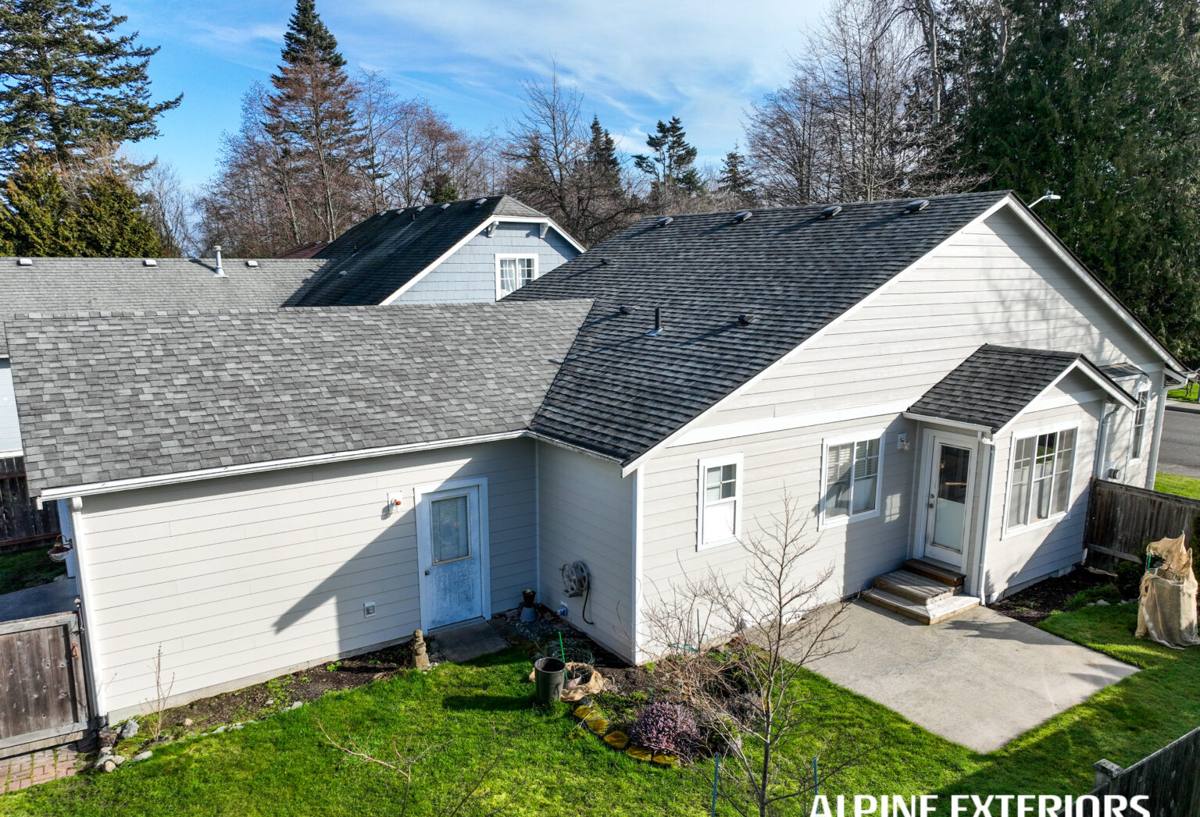
What Point Whitehorn's Climate Does to a House
Being near Birch Bay and the Strait of Georgia means a few specific things for exterior materials, and they compound over the life of a house.
Salt-Laden Air
Airborne salt doesn't just affect metal fasteners and flashing — it accelerates the breakdown of many paint films and can speed up the swelling and checking of wood-based siding products. Salt air holds moisture longer near the surface of a wall, which keeps siding damp even on days when it isn't actively raining.
Driving Rain
Storms coming off the water often bring rain sideways, not straight down. That matters more than people expect, because it means water gets pushed up under laps, into seams, and behind trim in ways that vertical rain never would. Siding systems and flashing details that work fine in a drier, calmer climate can fail here simply because they were never tested against wind-driven moisture.
A Long Moss and Algae Season
Cool, damp, and shaded conditions for much of the year are exactly what moss and algae need to establish themselves on roofs, siding, and decking. Once organic growth gets a foothold, it holds moisture against the surface underneath it, which can quietly extend the damage from cosmetic to structural if it's never treated.
None of this means Point Whitehorn is an unusually hard place to own a home — it just means the exterior materials and installation details have to be chosen with this specific climate in mind, not a generic one.
Why We Install Only James Hardie Fiber Cement Siding
We get asked fairly often why we don't offer vinyl, LP SmartSide, or a cheaper fiber cement alternative alongside Hardie. The honest answer is that we standardized on one product because we got tired of watching other materials underperform in exactly the conditions this area produces.
What Other Products Get Right
Vinyl is inexpensive and low-maintenance in dry climates. Engineered wood siding like LP SmartSide has a real fan base for its workability and lighter weight. Cedar has genuine curb appeal. These aren't bad products in the abstract — they just carry trade-offs that show up faster in a salt-air, high-moisture environment than they would somewhere drier and calmer.
Why We Moved Away From the Alternatives
- Vinyl can warp or become brittle with temperature swings and UV exposure over time, and its seams give wind-driven rain a path to work behind the panel.
- Engineered wood siding is wood-based at its core — if moisture gets past a compromised seal at a cut edge or fastener, the substrate can swell or degrade in ways that are hard to catch early.
- Cedar and primed spruce require an ongoing maintenance commitment — refinishing, caulking, and moisture monitoring — that most homeowners don't want to sign up for indefinitely, especially in a climate that keeps wood damp for long stretches of the year.
Why Hardie Fits This Climate
James Hardie fiber cement is non-combustible, dimensionally stable, and doesn't rely on a surface coating alone to keep moisture out — the material itself resists rot and swelling in a way wood-based products can't. The ColorPlus factory finish is baked on under controlled conditions, which holds up better against salt air and UV than most field-applied paint. Hardie also produces climate-engineered HZ product lines built specifically for damp, moisture-heavy regions like the Pacific Northwest, and backs the material with a strong, transferable warranty. Installed to spec, it's the product we trust to hold up against what Point Whitehorn actually throws at a house.
Side-by-Side: Common Siding Choices
| Material | Moisture Resistance in Salt Air | Maintenance Burden | Typical Warranty Structure |
|---|---|---|---|
| James Hardie Fiber Cement | Strong — non-combustible, dimensionally stable | Low — factory finish, periodic washing | Long-term, transferable |
| Vinyl | Moderate — seams vulnerable to wind-driven rain | Low, but prone to warping/fading over time | Varies widely by manufacturer |
| LP SmartSide / Engineered Wood | Moderate — wood-based core sensitive to sealed edges | Moderate — seal and fastener checks needed | Prorated in many cases |
| Cedar / Primed Spruce | Lower — absorbs moisture without upkeep | High — refinishing and caulking cycle | Product-only, no labor coverage typically |
Siding Installation Details That Matter Here
The material is only half the equation. In a climate with driving rain, installation quality determines whether that material actually performs. For Point Whitehorn homes, we pay particular attention to:
- Proper weather-resistive barrier and rainscreen detailing so any moisture that does get behind the siding has a path to drain and dry out
- Correct flashing at windows, doors, and roof-to-wall intersections — the spots where wind-driven rain finds a way in
- Manufacturer-specified fastener spacing and clearance from grade, decks, and roof lines to prevent wicking moisture
- Sealed, painted cut ends on every piece of Hardie siding, since an exposed edge is the one place the material can take on water
These aren't optional upgrades — they're the difference between siding that lasts decades in this climate and siding that needs attention again in five or six years.
Roofing for a Wet, Mossy Climate
Your roof takes the brunt of everything the Point Whitehorn climate produces: driving rain, salt air, and the moss and algae growth that comes with long stretches of shade and moisture. We handle full roof installations and repairs with attention to the details that matter locally — proper underlayment for wind-driven rain, ventilation that keeps moisture from building up in the attic, and flashing at every penetration and valley. If moss has already established itself on an existing roof, we can talk through removal and treatment options as part of a repair or replacement conversation, since leaving it in place tends to shorten a roof's usable life.
Windows That Hold Up to Wind-Driven Rain
Windows are one of the most common places we find water intrusion on older homes near the water, and it's almost never the glass itself — it's failed flashing, degraded sealant, or a frame that was never properly integrated with the water-resistive barrier behind the siding. When we replace windows, we treat the flashing and integration details as seriously as the window unit itself, because a well-built window installed poorly will leak in this climate just as fast as a poor window installed well.
Decks Built for Moss Season
Decks in Point Whitehorn deal with the same shade-and-moisture combination that drives moss growth on roofs and siding, plus direct exposure to standing water if drainage isn't right. Good deck construction here means attention to board spacing and airflow underneath, proper flashing where the deck ledger meets the house, and fastener choices that won't corrode in salty air. We build and repair decks with those specifics in mind rather than treating every deck project the same regardless of location.
Planning an Exterior Project: What to Expect
A Typical Process
- An on-site assessment of your current siding, roofing, windows, or deck, including any moisture or moss issues we can identify
- A straightforward walkthrough of what we'd recommend and why, with honest talk about trade-offs where they exist
- A written estimate before any work begins
- Installation following manufacturer specifications, with attention to the flashing and moisture-management details that matter in this climate
Signs It's Time to Call
- Visible moss or algae buildup on siding, roofing, or decking
- Soft or discolored siding, especially near the ground or around window and door trim
- Peeling or bubbling paint that keeps coming back in the same spots
- Drafts, fogging, or visible gaps around window frames
- Deck boards that stay damp long after a rain, or fasteners showing rust stains
Why a Local Crew Makes a Difference
A crew that works across Whatcom County and the Birch Bay area regularly already knows which details matter here — where wind-driven rain tends to find weak points, how much moss pressure a shaded north wall will see, and how salt air changes the maintenance conversation. That local familiarity shows up in the small decisions made on-site, not just the sales pitch beforehand. It's also easier to get a straight answer about warranty service, follow-up, or a repair years down the road from a crew that's still working in your area, rather than one that passed through once.
If you're weighing a siding, roofing, window, or deck project for your Point Whitehorn home, we're happy to take a look and walk you through your options honestly. Reach out for a free, no-pressure estimate using the form below.