 Birch Bay
 Point Whitehorn's Exposure Is Its Own Category
Point Whitehorn sits out on the open shoreline north of Birch Bay, and that location changes what a house needs from its siding. Homes closer to the water take a steadier dose of salt-laden air than homes a few miles inland, and the wind that comes off the Strait has nothing to slow it down before it hits an exterior wall. Add Whatcom County's long stretch of wet, grey months and the shaded, damp conditions that let moss and algae take hold, and you have a combination that wears out the wrong siding material faster than most homeowners expect.
We install fiber cement siding in this area specifically because it's built to take that combination and keep taking it, year after year, without the maintenance spiral that softer materials fall into. This page covers what Point Whitehorn homes need from their siding, what a correct installation actually involves, and why the details matter more here than they do a few miles inland.
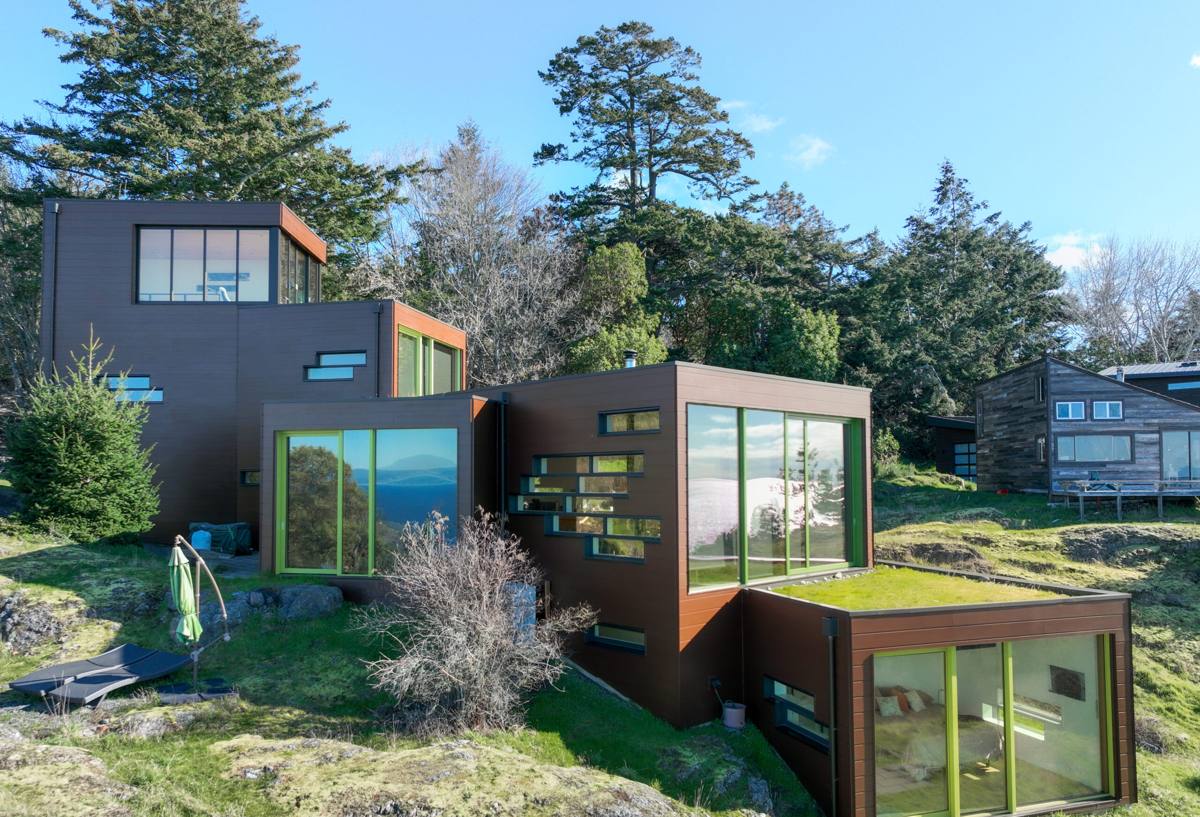
What Salt Air, Driving Rain, and Moss Actually Do
Salt Air
Airborne salt settles on every exterior surface near the water, and it's mildly corrosive to metal fasteners, flashing, and trim. It also holds moisture against surfaces longer than dry inland air does, which keeps siding damp for more of the day. Materials that rely on paint film alone for protection show chalking, fading, and edge deterioration faster in this environment than the same product would inland.
Wind-Driven Rain
Rain that comes in sideways doesn't just wet the face of the siding — it pushes water into every seam, lap joint, and penetration it can find. A siding system that isn't detailed correctly at the joints, or that swells and warps when it takes on water, will eventually let moisture behind the cladding. Once that happens, the problem moves from the siding to the sheathing and framing underneath, which is a far more expensive repair.
Moss and Algae
Shaded, north-facing walls and anything under tree cover in this area stay damp long enough for moss and algae to establish. On porous or wood-based materials, that growth can hold moisture against the surface and accelerate rot. On a properly finished fiber cement surface, it's mostly a cosmetic issue that rinses off — but the siding still needs a finish and installation detail that doesn't give moisture a place to hide underneath the growth.
Why Fiber Cement Is the Right Material Here
Fiber cement is cement, sand, and cellulose fiber pressed into a stable board. It doesn't absorb water the way wood does, it doesn't rot, and it isn't a food source for the mold and moss that thrive in this climate. Unlike vinyl, it doesn't warp or go brittle from repeated wet-dry cycling and temperature swings, and unlike untreated or primed wood products, it doesn't need to be re-caulked and repainted every few years just to keep water out.
We install James Hardie fiber cement exclusively — not LP SmartSide, not vinyl, not Cemplank, Allura, or primed spruce and cedar. That's a deliberate standard, not a brand preference for its own sake. Hardie's ColorPlus factory finish is baked on and warranted against fading and peeling, which matters in a spot that gets constant UV and salt exposure. Hardie also engineers its boards by climate zone (its HZ5 line is built for regions like ours with cold, wet winters), and the company backs its products with a strong, transferable non-prorated warranty. When we're putting siding on a house that's going to take the full brunt of Point Whitehorn weather, we want a product with that track record and that engineering behind it — not one that asks the homeowner to make up the difference in future maintenance.
What a Correct Installation Involves
Fiber cement is only as good as the installation behind it. Most of the siding failures we see on older homes in this area trace back to installation shortcuts, not the material itself. A correct job includes:
- A drainable weather-resistive barrier installed with proper overlaps, not just a wrap stapled to the sheathing
- Rain screen or furring strips where conditions call for it, so water that gets behind the cladding can drain and the wall can dry
- Correct starter strips and factory-cut, factory-primed edges at every joint — field-cut edges get sealed per Hardie's specifications
- Stainless or hot-dip galvanized fasteners driven correctly, not overdriven, which matters more here given the corrosive air near the shoreline
- Proper flashing at every window, door, and roof-to-wall intersection, since that's where wind-driven rain finds its way in
- Manufacturer-specified gaps and clearances at trim, decks, and grade, so the bottom edge of the siding never sits in standing water or snow
- Caulking only where Hardie's install guide calls for it — not as a substitute for proper flashing
Skip any one of these steps and the siding can still look fine for a season or two before problems show up. That's exactly why cutting corners is common — the consequences are delayed, not absent.
Our Process
| Step | What Happens |
|---|---|
| Walkthrough & assessment | We look at existing siding condition, moisture points, and any rot or damage before quoting anything |
| Product & profile selection | Lap width, panel style, and color chosen based on the home and homeowner preference |
| Written estimate | Clear scope, materials, and price — no vague allowances |
| Prep & moisture barrier | Removal of old siding, sheathing repair if needed, correct weather barrier installed |
| Installation | Siding, trim, and flashing installed to Hardie spec, with attention to every joint and penetration |
| Final walkthrough | We review the finished work with the homeowner before calling the job done |
Choosing the Right Hardie Product for This Location
| Product | Best Suited For | Notes for Point Whitehorn |
|---|---|---|
| HardiePlank lap siding | Traditional horizontal lap look | Most common choice; wide range of ColorPlus finishes and textures |
| HardiePanel vertical siding | Modern look, accent walls, gable ends | Works well combined with lap siding on exposed elevations |
| HardieShingle siding | Shingle-style or coastal cottage aesthetic | Popular for homes wanting a traditional Pacific Northwest coastal look |
| HardieTrim boards | Corners, window and door trim, fascia | Matched finish system that won't rot at the edges where water collects |
What Affects Cost
Every home is different, so we don't quote sight unseen, but a few factors consistently move the price on Point Whitehorn homes:
| Factor | Why It Matters |
|---|---|
| Condition of existing sheathing | Water intrusion from old siding sometimes means repair or replacement of the wall underneath before new siding goes on |
| Home shape and trim detail | More corners, windows, and rooflines mean more cutting, flashing, and labor |
| Product selection | Lap width, shingle profile, and panel choices carry different material costs |
| Access and site conditions | Slope, shoreline setbacks, and staging space affect how efficiently a crew can work |
| Full tear-off vs. new construction | Removing and disposing of old siding adds labor beyond a bare-wall install |
Because of the exposure this area gets, we don't recommend cutting the job down to a quick re-side over a wall that hasn't been checked for moisture damage first. It's a more thorough process, but it's the difference between a job that lasts and one that has to be redone.
What to Ask Before Hiring a Siding Crew Here
- Are they a certified James Hardie installer, and can they explain the install spec they follow?
- Do they inspect and address sheathing condition before installing new siding, not just cover it over?
- Do they detail a rain screen or drainage plane appropriate for a high-exposure site?
- What fasteners and flashing materials do they use, and are they rated for coastal, salt-air conditions?
- Can they walk you through their flashing plan at windows, doors, and roof intersections before work starts?
- Do they provide a written scope and a real warranty on both materials and labor?
Why Local Experience on This Shoreline Matters
A crew that regularly works Birch Bay and Point Whitehorn knows what this exposure does to a wall before they even pull the old siding off. We know to expect more moisture behind older siding on wind-facing elevations, we know where moss tends to build up on shaded walls, and we know which details in Hardie's install guide aren't optional out here even if they'd be less critical on a sheltered inland lot. That's the kind of judgment that only comes from doing this work on this coastline, not from a general install checklist applied the same way everywhere.
If you're weighing a re-side on a Point Whitehorn home, we're glad to walk the exterior with you, point out what we see, and put together a straightforward estimate — no pressure, no sales script. Use the form below to get in touch.