 Birch Bay
 Siding Built for Life on the Whatcom County Shoreline
Cherry Point sits along one of the more exposed stretches of shoreline in Whatcom County, just up the coast from Birch Bay. Homes here deal with a combination that inland properties never see: near-constant salt-laden air off the Strait of Georgia, wind-driven rain that comes in sideways rather than straight down, and a wet season that stretches long enough for moss and algae to get a real foothold on anything that stays damp. It's a beautiful place to live. It's also a hard place to keep exterior siding looking good and performing well for the long haul.
We install and repair siding, roofing, windows, and decks for homes throughout this area, and Cherry Point comes up often enough that we've built our approach around what actually happens to a house out here over ten, twenty, thirty years — not just what a product looks like on day one.
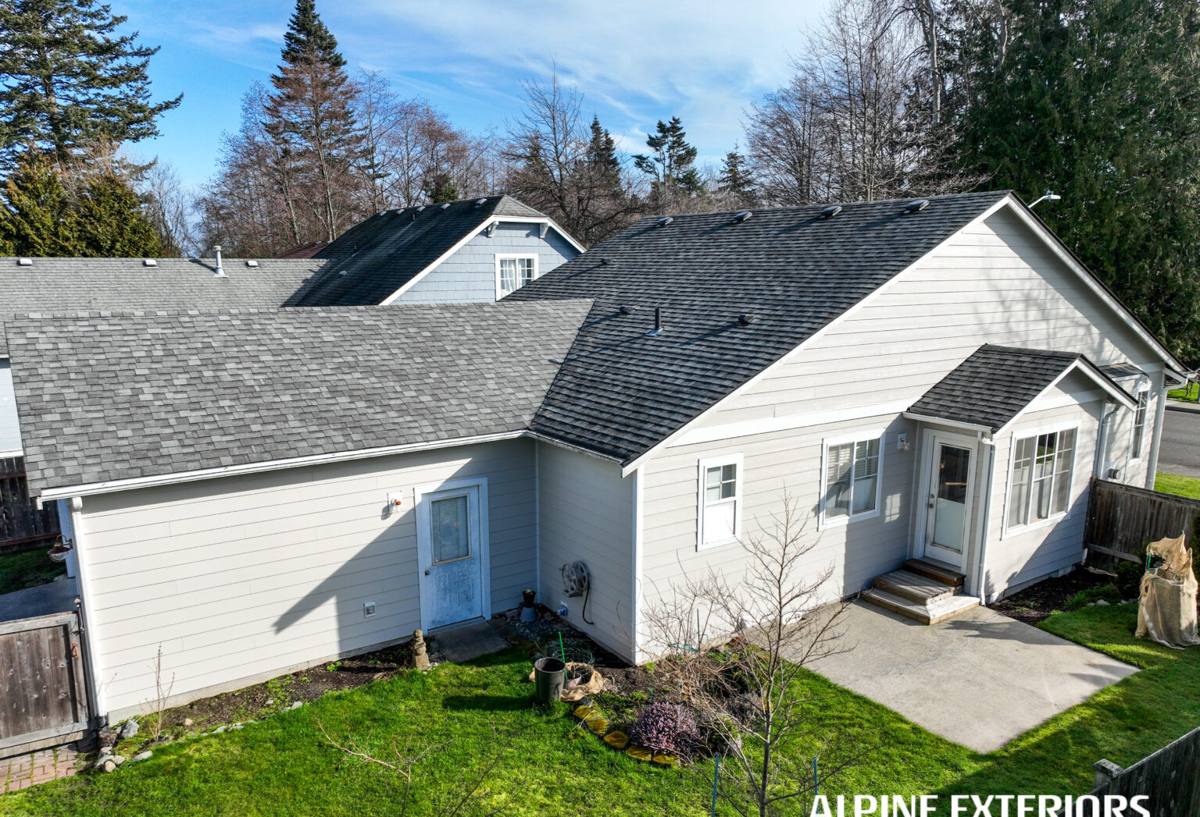
What Coastal Exposure Actually Does to a House
Every siding material reacts differently to salt air and sustained moisture, and the failures rarely show up in year one. They show up in year eight or twelve, after hundreds of freeze-thaw cycles, hundreds of soaking-then-drying cycles, and years of salt residue working into seams and fasteners.
Salt Air
Airborne salt is corrosive to metal fasteners, flashing, and trim, and it accelerates the breakdown of some paints and coatings faster than inland weathering would. It also tends to hold moisture against a surface longer than plain rainwater does, which matters for anything wood-based.
Driving Rain
Wind off the water doesn't just wet the face of a wall — it pushes water sideways into laps, seams, and any gap in the caulking or flashing. A siding system that isn't detailed correctly at the joints will eventually let water behind it, and once water gets behind siding, the sheathing and framing underneath are what actually pay the price.
Moss and Sustained Dampness
Whatcom County's wet season runs long, and north-facing and shaded walls in Cherry Point can stay damp for weeks at a stretch. That's exactly the environment moss and algae need. On porous or wood-based siding, prolonged dampness also softens the material itself over time, which is a bigger long-term problem than the cosmetic staining.
Why We Install Only James Hardie Fiber Cement
We get asked fairly often why we don't offer vinyl, LP SmartSide, cedar, or other fiber cement brands. It's a fair question, and the honest answer is that we made a standardization decision based on what holds up in exactly the conditions Cherry Point sees.
Vinyl siding is affordable and low-maintenance in mild, dry climates, but it's a thin material that can warp, crack in cold snaps, and fade under UV exposure, and its seams and J-channels give wind-driven coastal rain more opportunities to find a way behind the wall. Wood-based products like LP SmartSide and traditional cedar or primed spruce have real appeal — they look and feel like traditional siding — but they're organic materials at their core, and organic materials that stay wet for extended periods are vulnerable to swelling, rot, and moss colonization no matter how well the factory coating is applied. We're not saying these products fail everywhere; we're saying that in a marine climate with this much sustained moisture, they ask a homeowner to stay on top of maintenance and repainting in a way we don't think is realistic long-term.
James Hardie fiber cement is cement, sand, and cellulose fiber — it does not rot, it will not feed moss growth the way wood does, and it's non-combustible, which matters given how dry Whatcom County summers have trended in recent years. The ColorPlus factory finish is baked on under controlled conditions rather than field-painted, which means better adhesion and a warranty that actually covers the finish, not just the substrate.
What This Looks Like in Practice
| Factor | Vinyl / Wood-Based Siding | James Hardie Fiber Cement |
|---|---|---|
| Moisture & rot resistance | Vulnerable over time in coastal conditions | Cement-based, does not rot |
| Moss/algae susceptibility | Higher on wood substrates | Lower; hard, non-organic surface |
| Finish durability | Field-applied paint fades, needs repainting | Factory-baked ColorPlus finish, longer color life |
| Fire resistance | Combustible (wood, vinyl melts) | Non-combustible core material |
| Warranty structure | Varies widely by product | Strong transferable manufacturer warranty |
Hardie's Climate-Engineered Lines for a Marine Environment
James Hardie makes different formulations for different climates, and for a coastal property in Cherry Point, that engineering matters. The HZ5 product line is formulated for wetter, colder regions like the Pacific Northwest, with an emphasis on moisture and freeze-thaw performance rather than the drought and extreme-heat formulations used in southern markets.
We typically work with lap siding, board-and-batten, and shingle-style Hardie panels depending on the home's architecture, paired with Hardie trim at corners, window surrounds, and fascia so the whole exterior is a matched, non-combustible system rather than mixed materials aging at different rates.
Beyond Siding: Roofing, Windows, and Decks
Siding is only one part of how a Cherry Point home holds up against salt air and driving rain. We also handle roofing, window replacement, and deck construction, and on most projects we look at the whole exterior envelope rather than one component in isolation.
Roofing
A roof system that's shedding water correctly protects the siding and structure below it. Flashing details at valleys, walls, and penetrations are where coastal roofs most often let water in, and that's exactly where we spend the extra attention.
Windows
Old or poorly flashed windows are a common source of hidden water intrusion, especially on walls that take direct wind-driven rain. Replacing windows at the same time as siding lets us integrate the flashing correctly instead of caulking around an existing gap.
Decks
Outdoor living space near the water needs materials and fasteners that can take salt exposure without corroding or degrading early. We build decks with that in mind, not with generic inland-spec hardware.
Why a Local Crew Matters Here
Cherry Point isn't a generic Pacific Northwest job site — it's a specific microclimate within Whatcom County, and the difference between a waterfront-facing wall and a wall tucked behind a windbreak can change how a job should be flashed and detailed. A crew that works this coastline regularly knows where wind-driven rain actually hits hardest on a given lot, where moss tends to establish first, and how local permitting and inspection typically go in unincorporated Whatcom County. That local knowledge shows up in the small decisions — flashing laps, fastener spacing, caulk selection — that determine whether a siding job lasts fifteen years or forty.
What Affects the Cost of a Siding Project in Cherry Point
Every home is different, but the same handful of factors drive most of the cost variation we see on siding projects in this area.
| Factor | Why It Matters |
|---|---|
| Home size and wall complexity | More corners, gables, and dormers mean more cutting, trim, and labor time |
| Condition of existing sheathing | Water damage found during tear-off may require sheathing repair before new siding goes on |
| Siding profile chosen | Lap, shingle, and board-and-batten styles carry different material and labor costs |
| Trim and detail work | Window surrounds, corner boards, and fascia add to scope but improve long-term performance |
| Access and site conditions | Waterfront lots, slopes, and limited access can affect staging and labor time |
We give straightforward, itemized estimates rather than vague ballpark numbers, so a homeowner can see exactly what's driving the total.
Maintenance Checklist for Coastal-Zone Homes
Whatever siding a home currently has, a few habits go a long way in a salt-air, high-rain environment like Cherry Point:
- Rinse salt residue off exterior walls a couple times a year, especially on sides facing the water
- Keep gutters clear so overflow isn't running down the wall face during heavy rain
- Trim back vegetation and tree cover that keeps a wall section shaded and damp
- Inspect caulking at trim, window, and door joints annually and re-seal where it's cracked or gapped
- Address any moss or algae growth early, before it holds moisture against the surface long-term
- Walk the exterior after major windstorms to check for loosened panels, trim, or flashing
What to Expect When You Work With Us
We start with an on-site walkthrough of the exterior — siding, roofline, windows, and any deck structures — so we can flag issues before they turn into surprises mid-project. From there we put together a clear, written scope and estimate, walk through material and color options in the Hardie ColorPlus lineup, and schedule the work around the weather windows that make sense for this coast. We stand behind the installation, and Hardie backs the product with a strong transferable warranty that follows the home if it's ever sold.
If you're weighing a siding replacement, planning a roof or window project, or just want a straight answer about what your Cherry Point home is up against after another wet season, we're happy to take a look. Reach out for a free, no-pressure estimate using the form below.