 Birch Bay
 Windows Built for a Bluff-Top Marine Climate
Point Whitehorn sits right where the Salish Sea does most of the work shaping what a window has to survive. Homes here face a steady diet of salt-laden air, wind that comes off the water with nothing to slow it down, and long stretches of gray, wet weather that can run from October well into spring. That combination is harder on windows than most inland Whatcom County neighborhoods ever see, and it's why a window that performs fine in a sheltered subdivision can start failing within a few years out here.
When we talk about "energy-efficient windows" for a Point Whitehorn home, we're not just talking about a U-factor sticker on the glass. We're talking about a window and installation system that can hold its seal against wind-driven rain, resist the slow corrosion that salt air causes on hardware and frames, and keep doing its job through the moss season without the frame swelling, sticking, or letting moisture in behind the trim. Efficiency and durability aren't separate conversations out here — a window that leaks air or water stops being efficient the moment the seal fails.
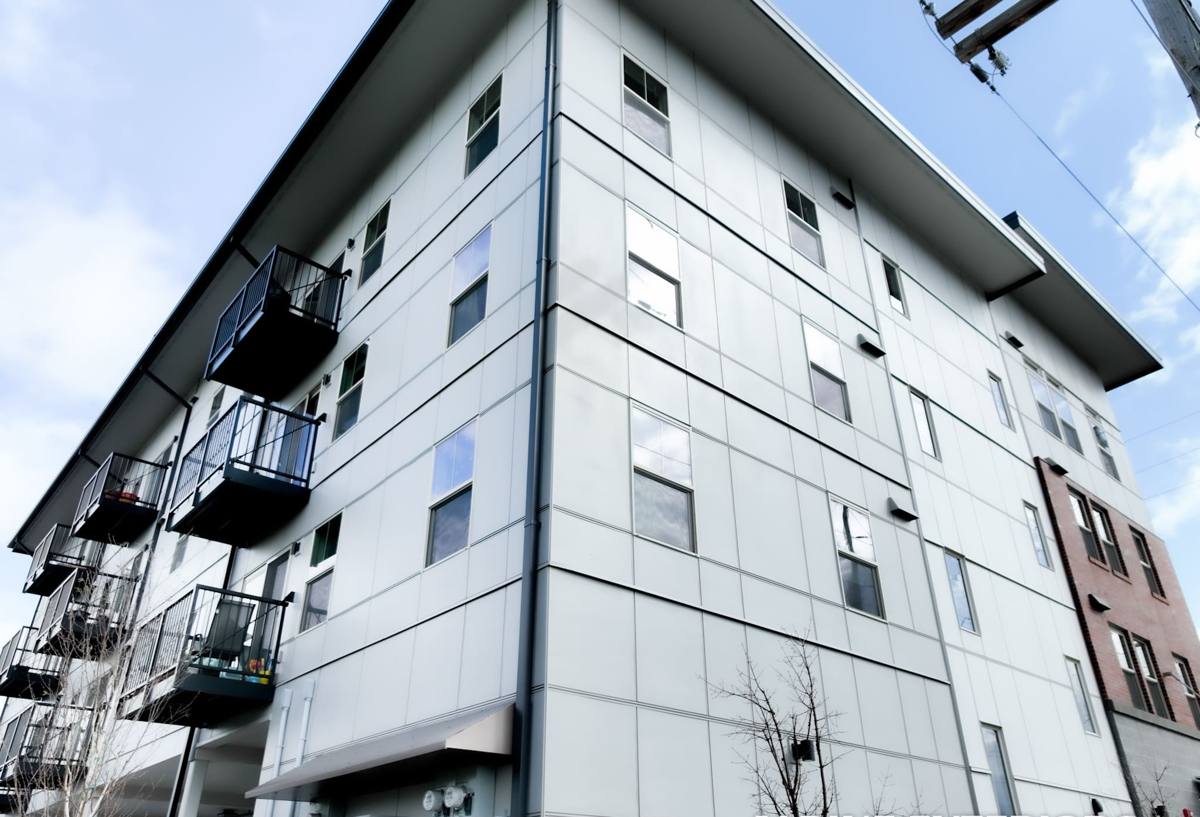
What the Local Climate Actually Does to a Window
Salt Air and Corrosion
Airborne salt from the Strait doesn't just sit on the glass — it settles into hardware, tracks, and any exposed metal fasteners. Over years, that accelerates corrosion on lower-grade hinges, cranks, and locking hardware, and it can degrade certain finishes faster than a manufacturer's warranty language accounts for. Windows with marine-grade or corrosion-resistant hardware, and finishes rated for coastal exposure, hold up noticeably better than standard inland-spec products.
Wind-Driven Rain
Rain that falls straight down is easy to shed. Rain that's being pushed sideways by wind off the water is a different problem — it finds gaps in flashing, worn weatherstripping, and poorly sealed nailing flanges that would never leak in calmer conditions. Most of the window failures we see in this area aren't glass failures at all; they're water intrusion around the frame because the original installation wasn't detailed for wind-driven exposure.
Moss, Moisture, and Wood Rot
Whatcom County's long damp season keeps humidity high around window openings for months at a time. Wood-frame windows and wood trim that aren't properly primed, sealed, and flashed will hold moisture, and that moisture eventually shows up as soft trim, peeling paint, or rot at the sill — often well before the glass itself shows any sign of wear.
Signs Your Current Windows Are Costing You Money
Most homeowners don't notice window failure until a heating bill jumps or a windowsill goes soft. Here's what to check before it gets to that point:
- Visible condensation or fogging between the panes (a sign the seal has failed and the gas fill is gone)
- Cold drafts near the frame even when the window is fully latched
- Wood trim or sills that feel soft, spongy, or show paint bubbling
- Difficulty opening, closing, or locking — often from swelling or corroded hardware
- Visible gaps, cracked caulk, or daylight around the exterior frame
- A noticeable increase in outside noise, especially wind noise during storms
- Rust staining below aluminum or metal-clad frames
Any one of these on its own might just mean a caulking touch-up. Two or three together, especially on the walls facing the water, usually mean the window itself has reached the end of its useful life.
What "Correct" Actually Means in This Installation
A window install that looks fine from the outside can still fail in year two if the details underneath weren't done right. For a Point Whitehorn home, we treat these as non-negotiable:
- Proper flashing sequence — sill pan flashing installed before the window goes in, with side and head flashing lapped correctly so water is directed out, not trapped behind the siding.
- Continuous sealant, not spot caulking — a bead of caulk around the trim isn't a substitute for a sealed, taped weather-resistive barrier underneath it.
- Correct shimming and fastening — a window that's out of square or under-supported will rack over time, which breaks seals at the corners first.
- Hardware and cladding rated for coastal exposure — not every "energy-efficient" line on the market is spec'd for salt air; we steer clients toward frame and hardware options that are.
- Interior air-sealing — insulating and sealing the gap between the window frame and rough opening so warm indoor air isn't escaping around the unit even if the exterior looks tight.
Skipping any one of these steps is how a brand-new, well-rated window still ends up drafty, foggy, or rotting at the sill within a few years — which is exactly what we get called out to fix on other people's installs.
Comparing Window Options for a Coastal Whatcom County Home
There's no single "best" window for every house — it depends on exposure, budget, and how much upkeep you want to take on. Here's how the common options stack up for a home dealing with salt air and driving rain:
| Frame Material | Salt Air / Moisture Resistance | Maintenance | Typical Trade-offs |
|---|---|---|---|
| Vinyl | Good — won't rot or corrode; UV-stable formulations hold color well | Low | Frame can't be repainted; heavier vinyl sections perform better in wind exposure than budget-grade vinyl |
| Fiberglass | Very good — dimensionally stable, resists warping in wet/dry cycling | Low | Higher upfront cost than vinyl; fewer ultra-budget options |
| Aluminum-clad wood | Good exterior protection if cladding and seams are intact | Moderate — interior wood still needs occasional attention | Cladding seams are a moisture entry point if not detailed correctly |
| Solid wood | Weakest against this climate unless finish is maintained diligently | High — repainting/sealing on a regular cycle | Best appearance for period homes, but the highest long-term upkeep near the water |
For most Point Whitehorn homes directly exposed to wind off the water, we lean toward vinyl or fiberglass with a coastal-rated hardware package. For homes set back with more tree cover, aluminum-clad wood is often a reasonable middle ground between appearance and durability. We'll walk your specific exposure with you rather than push one material across the board.
Glass Packages and What They're Actually For
Low-E coatings and argon or krypton gas fills are standard on most quality window lines now, and they matter here for two reasons beyond the energy bill: better-insulated glass runs less condensation on cold, damp days, and a properly sealed insulated glass unit resists the pressure cycling that coastal wind gusts put on a window. A double-strength, well-sealed unit will outlast a marginal one even if both carry similar efficiency ratings on paper.
How Our Process Works
- On-site assessment. We look at each window's exposure — which walls take the worst of the wind and rain, where trim or sills already show wear, and what's driving the specific problem (air leakage, water intrusion, or just an old, single-pane unit).
- Straightforward recommendation. We tell you which windows genuinely need replacing now, which can wait, and what frame/glass combination makes sense for your exposure and budget — no upselling every window in the house if it isn't warranted.
- Proper tear-out. We check the rough opening and existing flashing for hidden rot or water damage before anything new goes in — a problem that's cheap to fix now and expensive to fix after the new window is sealed over it.
- Installation to the flashing and sealing standards above. Every window gets sill pan flashing, correctly lapped house wrap integration, and proper shimming — not just caulk and trim.
- Final check and walkthrough. We test operation, check seals, and walk you through anything specific to your windows' warranty and care.
Why It Matters That We Already Work This Area
A crew that mostly installs windows in sheltered inland neighborhoods and only occasionally works near the water can miss details that matter here — under-flashing a sill because "it usually doesn't need it," or specifying standard hardware because that's what's in the truck. Working Point Whitehorn and the surrounding Birch Bay shoreline regularly means we already know which walls on a typical local house take the worst weather, what corrosion looks like on hardware that's failing early, and how to detail an install so it holds up through a full Whatcom County winter, not just the first dry season after install.
It also means faster, more useful estimates. We're not guessing at what "coastal exposure" means for your house — we're already familiar with the wind and rain patterns that shape how windows perform along this stretch of shoreline.
Keeping New Windows Performing Long-Term
Even the right window loses its edge without basic upkeep in this climate:
- Rinse salt residue off exterior frames and hardware a few times a year, especially after storms
- Check and refresh exterior caulking annually — sealant breaks down faster under UV and salt exposure than most people expect
- Keep gutters and nearby moss/debris clear of window heads and sills so water isn't pooling against the frame
- Operate hardware periodically through the wet season so cranks and locks don't seize from disuse and moisture
None of this is heavy maintenance — it's the difference between a window that looks and performs the same in year ten versus one that's already showing corrosion and seal failure by year five.
Get a Straightforward Look at Your Windows
If you're dealing with drafts, fogged glass, or trim that's starting to soften around your windows in Point Whitehorn, it's worth getting an honest read on what's actually going on before it turns into a bigger repair. We offer free, no-pressure estimates — use the form below to set one up and we'll walk the house with you.