 Birch Bay
 Point Whitehorn Roofs Take a Different Kind of Beating
Point Whitehorn sits close enough to the water that salt air is a daily fact of life, not an occasional weather event. Add Whatcom County's long wet season, driving rain off the Strait, and a moss season that runs longer here than it does further inland, and you've got a roofing environment that's tougher on materials than most manufacturers' warranty testing accounts for. A roof that would hold up fine in a drier, inland climate can start showing granule loss, moss colonization, and fastener corrosion years ahead of schedule out here.
That's not a reason to panic about your roof — it's a reason to be deliberate about material choice, underlayment, ventilation, and flashing detail when the time comes to replace it. This page walks through what a correct new roof installation looks like for a Point Whitehorn home specifically, not a generic "roofing 101" rundown.
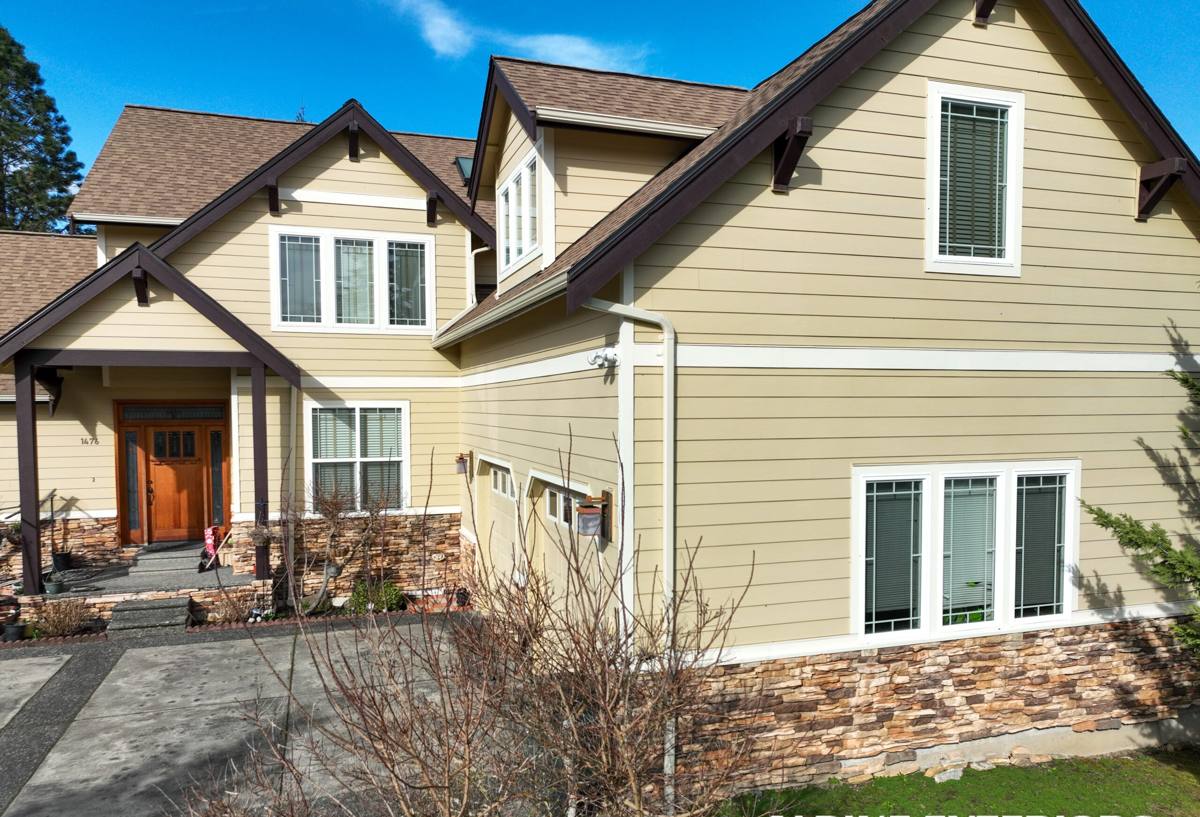
Signs a Point Whitehorn Roof Needs Replacement, Not Another Repair
Repair makes sense when the underlying roof deck and structure are sound and the damage is localized. Replacement makes sense once the roofing system as a whole is failing. In this climate, we typically see full replacement become the right call when a home shows several of the following at once:
- Granule loss heavy enough that you can see bare, shiny patches on multiple slopes, not just one exposed area
- Moss that keeps returning within a year of cleaning, especially on north-facing or shaded slopes
- Shingles that are cupping, curling, or cracking across large sections rather than a few isolated spots
- Soft spots or sag visible from the ground, which usually means deck damage underneath
- Rust streaking or corrosion around flashing, vents, or fasteners
- A roof that's 20+ years old and has never had underlayment or ventilation upgraded
If your roof shows one or two of these in isolation, a targeted repair may still be the honest answer. We'll tell you that during the estimate rather than push a full tear-off you don't need yet.
What a Correct Installation Involves Here
A new roof is only as good as what's underneath it. In a salt-air, high-moisture environment like Point Whitehorn, the components most homeowners never see are the ones that determine whether the roof lasts 15 years or 30.
Deck Inspection and Repair
Every tear-off exposes the roof deck. We check it for soft or delaminated plywood, especially around valleys, chimneys, and any spot where a leak has been active. Fastening new shingles over a compromised deck is one of the most common shortcuts in this trade, and it's the fastest way to a callback.
Underlayment and Ice/Water Protection
Given how much sustained rain this area gets, we use synthetic underlayment across the full roof rather than older felt products, and we run self-adhering ice-and-water membrane at eaves, valleys, and around every roof penetration — chimneys, vents, skylights. These are the areas where wind-driven rain finds its way under shingles, and it's the single biggest factor in whether a roof stays dry through a bad winter storm off the water.
Flashing
Flashing around chimneys, sidewalls, and valleys should be new, not reused. Reflashing over old, corroded metal to save a few hundred dollars is a false economy in a salt-air environment — that metal is already compromised and will fail well before the new shingles do.
Ventilation
Balanced intake and exhaust ventilation keeps the attic dry and temperature-stable, which matters for two reasons here: it slows the moss and algae growth that thrives in cool, damp, poorly ventilated roof systems, and it protects your shingle warranty, since most manufacturers require documented ventilation to honor a full warranty term.
Material Options for a Point Whitehorn Home
There's no single "best" roofing material for this area — it depends on your home's exposure, roof pitch, budget, and how much long-term maintenance you're willing to keep up with. Here's an honest comparison of what we install most often in Birch Bay and the surrounding Whatcom County coastline.
| Material | Typical Lifespan Here | Salt Air & Moss Behavior | Maintenance |
|---|---|---|---|
| Architectural asphalt shingle | 20-30 years | Good with algae-resistant (copper-infused) granules; moss still needs periodic cleaning | Low to moderate |
| Standing seam metal | 40-50+ years | Excellent — sheds moss and moisture, minimal organic growth surface | Low |
| Synthetic/composite shake | 30-40 years | Very good; resists moisture absorption better than wood shake | Low |
| Cedar shake (untreated) | 15-25 years | Absorbs moisture, needs active moss management to avoid rot | High |
We steer most Point Whitehorn homeowners toward algae-resistant architectural shingle or standing seam metal, not because other products can't work, but because they hold up with the least ongoing maintenance in this specific climate. If you're drawn to natural cedar shake for its look, we'll walk you through what the upkeep actually requires before you commit — it's a real commitment in a moss-heavy coastal environment, not a one-time install-and-forget product.
What Our Installation Process Looks Like
- On-site estimate. We inspect the existing roof, deck condition, ventilation, and flashing points, and give you a written scope and price — no surprise change orders for things we should have caught upfront.
- Material selection. We go over the options above against your budget and how the roof is exposed to weather and shade.
- Permitting. Whatcom County requires a permit for roof replacement; we handle that as part of the job.
- Tear-off and deck inspection. Full removal of old roofing, with any damaged decking replaced before anything new goes down.
- Underlayment, flashing, and ventilation installation. The parts that determine longevity, done first and correctly.
- Shingle or panel installation. Installed to manufacturer spec so your warranty is actually valid, not just on paper.
- Cleanup and magnetic sweep. Full site cleanup including a nail sweep of the yard and driveway.
- Final walkthrough. We go over the finished roof with you before calling the job done.
Moss and Ventilation: The Long-Term Maintenance Piece
A new roof reduces moss and algae problems significantly, but it doesn't eliminate the conditions that cause them — this stretch of Whatcom County simply stays cool and damp for a long part of the year. A few things keep a new roof performing the way it should:
- Keep overhanging branches trimmed back so shaded, damp sections of roof get more sun and airflow
- Clear gutters and valleys of debris each fall, before the heavy rain sets in
- Have moss growth removed gently (soft-wash, not pressure-washed) rather than left to spread
- Confirm attic ventilation isn't blocked by insulation over time
None of this is unusual maintenance for the area — it's just part of owning a roof this close to the water.
Why Hiring a Crew That Already Works Point Whitehorn Matters
Roofing crews that mostly work drier, inland areas don't always adjust their default install specs for a coastal, moss-heavy climate — they'll use the same underlayment coverage and flashing approach everywhere. A crew that regularly works Birch Bay and the Point Whitehorn area already knows which slopes on which home orientations tend to hold moisture longest, where wind-driven rain off the water actually gets pushed under poorly sealed flashing, and which materials hold up versus which ones look fine for a few years and then don't. That local pattern recognition doesn't show up on a spec sheet — it shows up in fewer callbacks five years down the road.
We're also close enough to respond quickly if something comes up after the install — a follow-up question, a warranty item, a storm that raises a concern — without a home in Point Whitehorn being a low priority on a route from somewhere else.
Cost Factors to Expect
Every roof is priced on its own specifics — size, pitch, material, deck condition, and access — so we won't quote a number without seeing the roof. In general terms, the factors that move the price most are:
| Factor | Why It Affects Cost |
|---|---|
| Roof size and number of facets | More square footage and more valleys/hips mean more material and labor |
| Deck condition | Rotted or delaminated plywood needs replacement before new roofing goes on |
| Material choice | Metal and composite products cost more upfront than asphalt shingle, less over the roof's full life |
| Roof pitch and access | Steep or hard-to-access roofs take longer and require more safety setup |
| Number of penetrations | Chimneys, skylights, and multiple vents each need individual flashing work |
We'll break all of this down clearly in your written estimate so you know exactly what you're paying for and why.
If your roof is showing its age or you're just planning ahead, we're happy to come take a look and give you a straightforward, no-pressure estimate for your Point Whitehorn home. Use the form below to get started.