 Birch Bay
 Why Board & Batten Keeps Coming Up in Birch Bay
Board and batten is one of the oldest siding patterns in the Pacific Northwest, and it never really went out of style here. The vertical lines read as classic beach-town and farmhouse architecture, which fits a lot of the homes along Birch Bay Drive and the neighborhoods back toward Blaine Road. It also happens to shed water well when it's built correctly, which matters in a place that gets driving rain off the water for months at a time.
The trouble is that board and batten has a reputation problem. Homeowners see failed versions of it all over Whatcom County — cupped boards, rotted battens, black staining running down from every seam — and assume the style itself is the issue. It isn't. Almost every board and batten failure we get called out to inspect traces back to two things: the wrong material, or a batten pattern installed without proper moisture management behind it. Get both of those right and board and batten is one of the most durable-looking sidings you can put on a house.
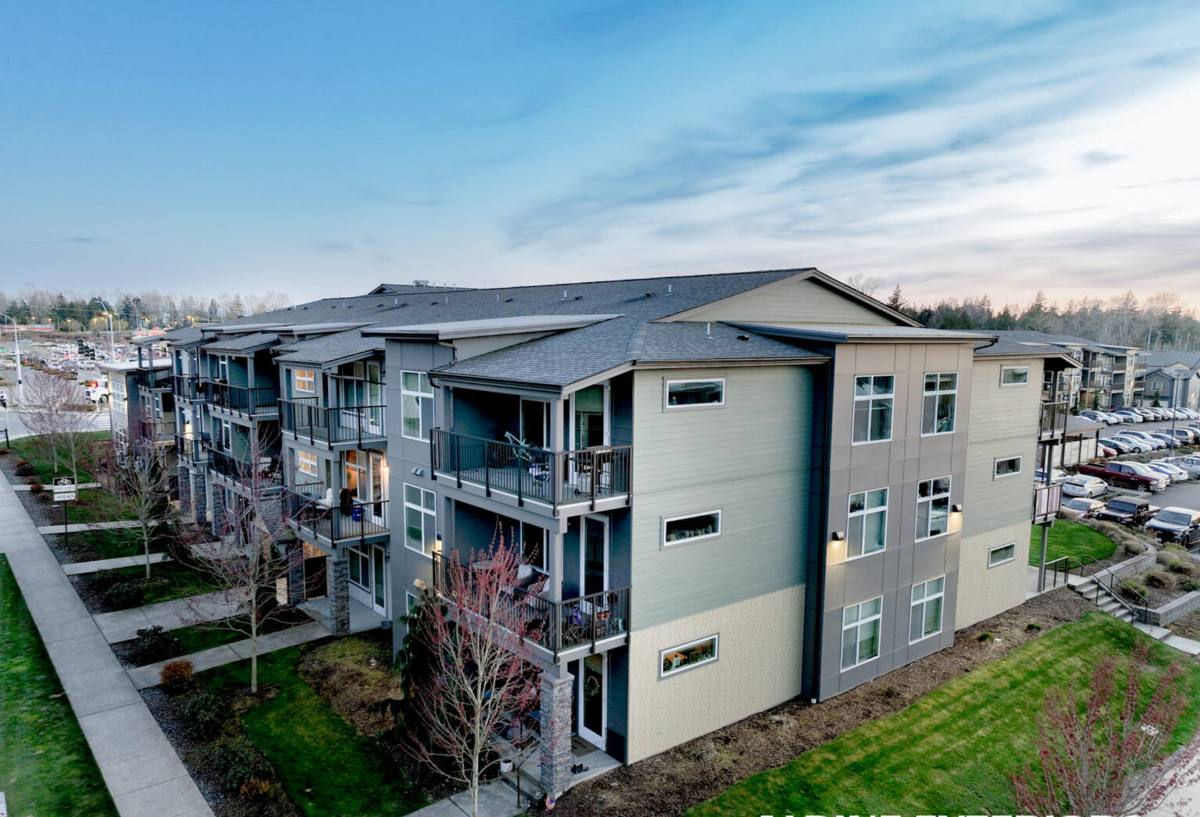
What Board & Batten Actually Is
The pattern is simple: wide flat boards or panels run vertically, with narrower strips (the battens) covering the seams between them. That's it. But the simplicity is deceptive, because every one of those vertical seams is a place water can get behind the cladding if the assembly isn't detailed correctly. Horizontal lap siding sheds water downward across a continuous overlap. Board and batten depends on the seam cover and the water-resistive barrier behind it doing the work instead.
Traditional Materials vs. What They Actually Do Long-Term
Board and batten was traditionally built with solid wood boards — cedar or primed spruce — face-nailed with battens over the gaps. It looks right on day one. The problem shows up in year three through year eight, when the boards have gone through enough wet-dry cycles that they've cupped, twisted, or opened gaps at the nail lines. Salt-laden air off Birch Bay and Semiahmoo Bay accelerates that cycle because it keeps the wood surface damp longer between rain events, and it's harder on any exposed fastener or finish coat.
Why We Don't Build This Pattern Out of Wood, Vinyl, or LP
We get asked to bid board and batten in several materials, so it's worth being direct about why we don't install most of them for this pattern specifically.
Primed Spruce and Cedar
Solid wood is a real, honest material, and there's nothing wrong with someone choosing it with eyes open. But board and batten multiplies wood's weak point — end grain and fastener penetrations — because there are more vertical seams per square foot than almost any other siding pattern. In a climate with this much sustained moisture and salt exposure, that means more repainting, more caulk maintenance, and a shorter realistic service life before boards need replacing.
Vinyl Board & Batten Panels
Vinyl versions of this look exist, and they're inexpensive. They also expand and contract more than fiber cement with temperature swings, which telegraphs through the batten lines as visible waviness over time, and vinyl doesn't hold up as well under direct, sustained UV and salt air. It's also not something we'll stand behind on a style where straight, crisp vertical lines are the entire visual point.
LP SmartSide
LP SmartSide is an engineered wood product, and engineered wood is still wood — it relies on a resin-treated strand board core and a factory coating to keep moisture out. Where that coating or the cut-edge sealant gets compromised, especially at the many batten seams this pattern requires, moisture can wick into the substrate. We don't install it for the same reason we don't install solid wood in this application: more seams means more places for a wood-based product's moisture sensitivity to show up first.
None of this means these products are junk — they all have a place in the market. It means that for the specific demands of board and batten in a marine climate, we've standardized on a material that isn't wood-based at all.
James Hardie's Approach to Board & Batten
James Hardie fiber cement is sand, cement, and cellulose fiber, cured into a rigid board that doesn't absorb and release moisture the way wood or wood-composite products do. That's the core reason it holds a straight line over the seasons instead of cupping or twisting. For board and batten specifically, Hardie offers a few ways to build the look:
- HardiePanel vertical siding paired with Hardie battens or trim boards, screwed or nailed to a proper backing pattern — the most common approach for a clean, wide-board-and-batten look.
- HardieTrim battens in dimensions that match the visual weight of the panel, factory-finished so the batten color and sheen match the field exactly.
- Artisan series accent trim where a homeowner wants a more refined, deeper-profile batten for a higher-end elevation.
All of it comes through in ColorPlus factory finish, which is a baked-on, multi-coat finish applied under controlled conditions rather than a field-applied paint job. That matters more on board and batten than on most patterns, because color mismatch between field and batten is the single most common cosmetic complaint we hear about other board and batten jobs — factory-matched panel and trim removes that risk entirely.
Where the Real Craftsmanship Is: What's Behind the Boards
The board and batten look lives or dies on what's underneath it, not the panel itself. This is the part a homeowner can't fully judge from a finished photo, which is exactly why it needs to be asked about before a contract is signed.
Rainscreen Gap
A drainable house wrap or furring strips behind the panel create a gap that lets any moisture that does get past the surface drain and dry out instead of sitting against the sheathing. In a climate with Birch Bay's rain volume, this isn't optional — it's the difference between a wall assembly that dries itself out and one that slowly saturates.
Batten Fastening and Spacing
Battens need to land on framing or blocking, be fastened per Hardie's published spacing, and leave the correct gap at the panel seam underneath — not caulked tight, which traps moisture instead of letting it drain.
Flashing at Every Horizontal Transition
Window heads, water tables, and any point where a horizontal trim crosses the vertical run needs proper flashing. Board and batten has more of these transitions than lap siding because the vertical run typically breaks at every floor line and window.
Cost Factors to Understand Before You Bid Shop
| Factor | Why It Moves the Price |
|---|---|
| Panel vs. individual board layout | Full HardiePanel sheets install faster than a true board-by-board pattern with individual battens |
| Batten profile and spacing | Tighter batten spacing means more trim pieces, more fasteners, more labor per elevation |
| Rainscreen/furring assembly | Adds material and install time but is what keeps the wall assembly dry long-term |
| Wall height and access | Two-story gable ends and steep-site homes near the bay bluff take longer to stage safely |
| Existing siding removal | Tear-off of failed wood or vinyl board and batten adds disposal and sheathing-repair cost |
| Color and trim package | Standard ColorPlus colors price differently than premium or Artisan trim selections |
Board and batten generally runs somewhat higher than a straightforward horizontal lap job in the same material, mostly due to the added batten trim and labor — not because the field panel itself costs more.
What to Check Before Hiring for This Pattern
- Ask to see board and batten specifically, not just general Hardie lap siding — the batten detailing is a different skill set
- Confirm in writing whether a rainscreen or drainage gap is included behind the panel
- Ask how batten fastening will be handled at seams — face-nailed through to framing, not just into the panel below
- Get the flashing plan for window heads and any horizontal trim breaks in writing
- Confirm ColorPlus factory finish is being used on both panel and battens, not field-painted trim
- Check that the installer is James Hardie certified or has documented experience with this specific application
Maintenance, Realistically
A correctly installed Hardie board and batten system doesn't ask for much. Rinse pollen, salt residue, and moss spores off once or twice a year, especially on north-facing walls that stay shaded and damp longest during Whatcom County's moss season. Check caulking at trim intersections every few years, since caulk is the one component in the assembly that does eventually need renewing. There's no repainting cycle to plan around — the ColorPlus finish is warrantied against fading and chipping separately from the substrate.
The Bottom Line for a Birch Bay Home
Board and batten is a good-looking, appropriate style for this area's architecture. It's also a pattern that punishes shortcuts more than most, because of how many vertical seams it puts into a wall. Building it in a material that doesn't move with moisture, backed by a proper drainage assembly, and finished at the factory instead of in the field, is how you get the look without inheriting the maintenance headaches that give the style its bad reputation elsewhere.
If you're weighing board and batten for a home in Birch Bay or anywhere else in Whatcom County, we're happy to walk your specific elevations, talk through batten spacing and color options, and give you a straightforward, no-pressure estimate.