 Birch Bay
 Roofing Built for Point Whitehorn's Coastal Conditions
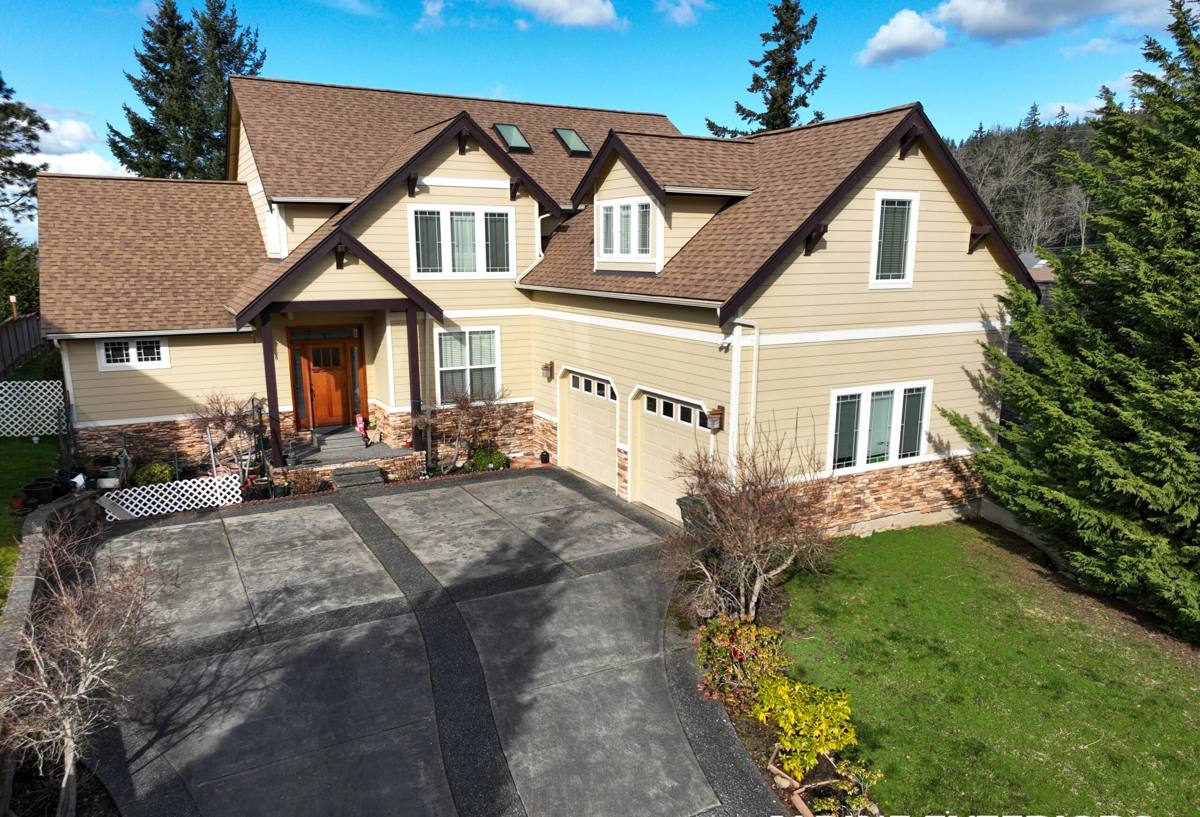
Point Whitehorn sits right up against the water at the northern edge of Birch Bay, close enough to the Strait of Georgia that salt air and open wind are part of daily life. That's part of why people live out here, but it's also why roofs in this part of Whatcom County wear differently than roofs ten miles inland. An asphalt shingle roof that's installed and specified correctly for this stretch of coastline will hold up for decades. One that isn't will show problems in years, not decades. This page covers what an asphalt shingle roof needs to do its job here, and what our crew actually does on a Point Whitehorn roofing project from first look to final inspection.
What Salt Air and Coastal Wind Actually Do to a Roof
Salt-laden air moving off the water doesn't just affect metal flashing and fasteners near the coast — it accelerates wear on almost every exposed component of a roof system. Combine that with the wind Point Whitehorn gets off open water, and shingle edges, ridge caps, and exposed nail heads take more abuse than the same roof would see in a sheltered inland yard.
The specific stress points
Wind uplift at eaves, rakes, and ridges is the most common failure point we see on coastal roofs. Shingles that are rated for wind but installed with standard nailing patterns, rather than the higher-wind pattern the manufacturer allows for, are the ones that start lifting first. Corrosion on exposed fasteners and flashing is the second issue — galvanized materials break down faster in salt air than they do a few miles inland, which is why fastener and flashing choice matters more here than it would on a typical inland Whatcom County home.
Moss, Moisture, and the Long Wet Season
Western Whatcom County gets a long stretch of overcast, damp weather every year, and Point Whitehorn's mix of coastal moisture and tree cover gives moss exactly what it needs to take hold — shade, consistent dampness, and organic debris collecting in valleys and behind chimneys or vents. Moss isn't just cosmetic. It holds moisture against the shingle surface, works its way under shingle tabs as it grows, and gradually lifts the granule layer that protects the shingle from UV and water. A roof that's been neglected for a few wet seasons in a row often has more moss damage than storm damage.
Why drainage detailing matters more here
Because the wet season runs long, any spot on a roof where water can pool, back up, or sit against a transition — valleys, low-slope sections, chimney crickets, dormers — becomes a moss and rot risk faster here than in a drier climate. Getting those transitions right during installation, not patching them later, is the difference between a roof that sheds water cleanly for 25+ years and one that needs repeated repair.
Choosing the Right Asphalt Shingle for This Location
Not every asphalt shingle product is a good match for a coastal, moss-prone site. We look at wind rating, algae resistance, and how the shingle's warranty treats coastal exposure before we recommend anything for a Point Whitehorn roof.
| Factor | Why It Matters Here | What We Look For |
|---|---|---|
| Wind rating | Open water exposure means higher sustained gusts than sheltered inland lots | Shingles rated for high-wind installation, installed with the matching nailing pattern |
| Algae/moss resistance | Long wet season and shaded lots accelerate growth | Shingles with copper- or zinc-infused granules built to resist algae staining and growth |
| Fastener and flashing material | Salt air corrodes standard galvanized components faster near the coast | Corrosion-resistant fasteners and flashing appropriate for coastal exposure |
| Warranty terms | Some manufacturer warranties reduce coverage in high-wind or coastal zones | Warranty language reviewed with the homeowner before installation, not after a claim |
We don't install products that shift long-term maintenance risk onto the homeowner just to hit a lower up-front price. On a coastal lot like this, the cheaper shingle line often ends up costing more once moss remediation and premature repairs are factored in.
What a Correct Asphalt Shingle Installation Includes
A shingle roof is a system, not just a layer of shingles. On every job we handle in this area, the following get done as a matter of standard practice, not as an upgrade:
- Deck inspection and repair of any soft, delaminated, or water-damaged sheathing before new material goes down
- Ice-and-water shield or equivalent underlayment at eaves, valleys, and roof-to-wall transitions where wind-driven rain is most likely to intrude
- Synthetic underlayment across the full roof, not just felt paper, for better wind and moisture resistance during the wet season
- Corrosion-resistant flashing at chimneys, skylights, sidewalls, and any roof penetration
- Proper intake and exhaust ventilation so moisture from inside the attic doesn't condense against the underside of the deck
- Shingles fastened using the manufacturer's high-wind nailing pattern, not the minimum standard pattern
- Ridge cap and hip installation detailed to shed water rather than trap it
Skipping any one of these doesn't usually show up as a problem on day one. It shows up two or three winters later, as a leak, a soft spot, or moss taking hold where water is sitting instead of draining.
Our Process for a Point Whitehorn Roofing Project
1. On-site assessment
We look at the whole roof system, not just shingle condition — decking, ventilation, flashing, and any existing moss or moisture damage. Because we work regularly around Birch Bay, we already understand how exposure and tree cover on a given lot are likely to have affected the roof before we ever get on the ladder.
2. Honest scope and options
We tell homeowners plainly what's actually needed versus what's optional. If a repair will genuinely hold for a few more years, we say so. If the deck or flashing needs work as part of the job, that gets priced and explained up front, not discovered as a surprise mid-project.
3. Installation
Deck repair, underlayment, flashing, shingles, and ventilation are installed to the standard described above, with attention to the wind and moisture details that matter specifically on a coastal Whatcom County roof.
4. Final walkthrough
We walk the finished roof and the site with the homeowner, confirm drainage paths are clear, and explain any maintenance that will help the roof perform well through the coming wet seasons.
Maintenance That Actually Matters in This Climate
A well-installed asphalt shingle roof in Point Whitehorn still needs periodic attention because of the climate, not because the installation was wrong. The two things that make the biggest difference are keeping moss from establishing and keeping debris out of valleys and gutters.
| Task | Why It Matters | How Often |
|---|---|---|
| Moss treatment/removal | Prevents granule loss and moisture retention under shingle tabs | Annually, or as moss starts to appear |
| Gutter and valley clearing | Keeps water moving off the roof instead of pooling near edges and transitions | At least twice a year, especially before the wet season |
| Flashing and fastener check | Catches corrosion or loosening before it becomes a leak | Every 1–2 years, or after major windstorms |
| Attic ventilation check | Confirms moisture isn't condensing against the deck from underneath | Every few years or during other roof service |
Why Local Experience in This Specific Area Matters
Point Whitehorn isn't a generic address on a work order to us — it's a community we already understand the roofing conditions for. A crew that mainly works drier, inland jobs may not think twice about standard nailing patterns, felt underlayment, or skipping algae-resistant shingles, because those shortcuts don't fail as quickly in a milder climate. On a coastal Birch Bay lot, they fail faster, and the homeowner is the one who pays for it in repairs or a shortened roof life. Working this area regularly means we've already seen what holds up here and what doesn't, and we build every job around that, not around a one-size-fits-all approach.
Signs It's Time to Have Your Roof Looked At
Homeowners don't need to climb a ladder to catch most early warning signs. Watch for:
- Visible moss or dark streaking on shingles, especially on shaded slopes
- Granules collecting in gutters or at downspout outlets
- Shingle edges that look lifted, curled, or cracked, particularly near eaves and ridges
- Water stains or discoloration on interior ceilings, especially after a windstorm
- Visible daylight or gaps around flashing at chimneys or vents
Any one of these is worth a professional look before the next wet season sets in, since small issues caught early are far less expensive to fix than the water damage that follows if they're left alone.
If you're weighing a repair, a full replacement, or just want an honest read on where your roof stands, we're glad to come take a look. Estimates are free and there's no pressure — fill out the form below and we'll get in touch to schedule a visit.