 Birch Bay
 Exterior Work Built for Whatcom County Weather
Lynden sits inland from the water but still lives inside the same marine-influenced weather system that shapes exterior work across Whatcom County. Long stretches of drizzle from fall through spring, heavy dew, and short winter days that don't give siding much chance to dry out all add up over the life of a house. Add in the moss and algae growth that thrives in shaded, damp conditions, and it's easy to see why exterior materials that look fine going in can start showing problems within a decade if they weren't matched to this climate in the first place.
We do siding, roofing, windows, and decks, and we approach all of it the same way: build the exterior as a system that sheds water correctly, breathes where it needs to, and holds up to years of the wet-dry cycling that's normal here. That's not a marketing line — it's the actual engineering problem Whatcom County homes have to solve.
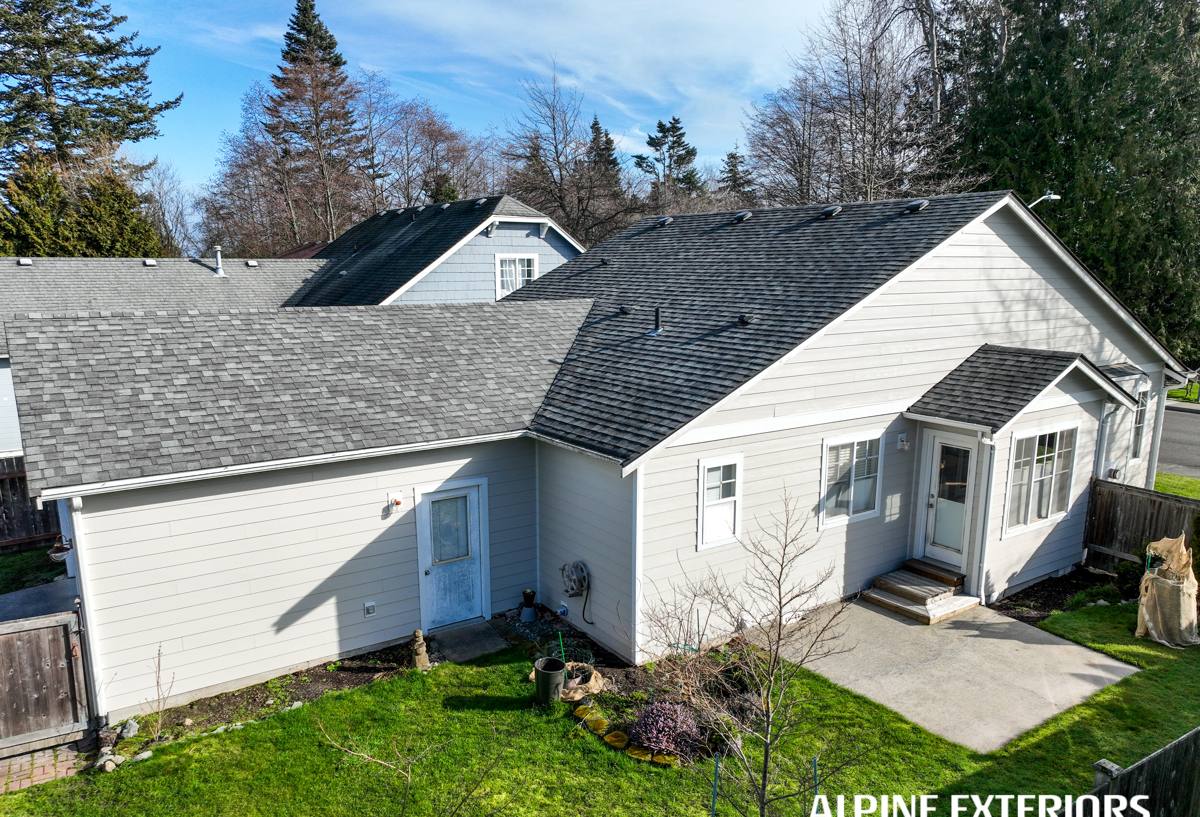
What Lynden Homes Face Over Time
Persistent Moisture
Whatcom County gets a lot of low-intensity rain spread across many months rather than a few dramatic storms, and that steady dampness is harder on siding than people expect. Materials that absorb water swell, and materials that trap water behind them rot from the inside where you can't see it until the damage is already extensive.
Moss and Algae
Shaded north and east-facing walls, tree cover, and long overcast stretches create ideal conditions for moss and algae to take hold on exterior surfaces. Beyond the appearance issue, moss holds moisture directly against the siding surface for extended periods, which accelerates whatever degradation process that particular material is prone to — swelling in wood-based products, coating breakdown in others.
Temperature Swings and UV
Summers bring real sun exposure even here, and the freeze-thaw cycles of winter put stress on any material that expands and contracts differently than the framing behind it. Over enough cycles, that mismatch is what opens up gaps at seams and fastener points.
Why We Only Install James Hardie Fiber Cement
We made a decision as a company to install one siding system — James Hardie fiber cement — and to stop installing the alternatives, even though we could still sell and install them. That decision came from watching how different materials actually perform in this region over years, not just how they look on install day.
What We Stopped Installing, and Why
- Vinyl siding is inexpensive and low-maintenance in dry climates, but it's a petroleum-based product that expands and contracts significantly with temperature swings, and it can warp or crack in ways that are difficult to repair invisibly. In a climate with this much moisture cycling, seams and laps are where problems start.
- LP SmartSide is an engineered wood product, and like any wood-based siding it depends heavily on flawless caulking, flashing, and edge-sealing to keep moisture out. Miss a detail during install or maintenance, and wood-based siding can swell and deteriorate at cut edges and seams — exactly the failure mode a wet climate exposes fastest.
- Cemplank and Allura are also fiber cement, and fiber cement as a category is the right call for this region. Our decision to standardize on Hardie specifically comes down to their ColorPlus factory-applied finish, their climate-specific HZ5 product engineering, and the depth of their installer network and warranty support in the Pacific Northwest.
- Primed spruce and cedar are beautiful, traditional choices, and we understand the appeal. But solid wood siding requires an ongoing maintenance commitment — repainting, caulking, watching for rot — that most homeowners underestimate when they choose it. In a climate this wet, that maintenance cycle comes faster than people expect.
None of these are bad products in every context. They're products with real trade-offs that we decided weren't worth the risk on homes we're putting our name on in this specific climate.
What James Hardie Gets Right
Fiber cement is a cement-and-cellulose composite, which means it doesn't absorb and release moisture the way wood does, and it isn't affected by temperature swings the way vinyl is. It's also non-combustible, which matters more each year as wildfire smoke seasons stretch later into the summer across the Pacific Northwest. James Hardie's HZ5 product line is engineered for exactly this kind of climate — freeze-thaw cycling, sustained moisture, and coastal-influenced air quality — and their ColorPlus finish is baked on at the factory under controlled conditions, rather than field-applied paint that's only as good as the weather on install day.
| Factor | James Hardie Fiber Cement | Vinyl | Wood-Based (LP, Cedar) |
|---|---|---|---|
| Moisture resistance | High — doesn't swell or rot | Good, but seams are vulnerable | Requires diligent sealing/maintenance |
| Moss/algae impact | Low material degradation | Cosmetic mainly | Can accelerate rot at damp spots |
| Fire rating | Non-combustible | Combustible | Combustible |
| Finish durability | Factory-baked ColorPlus finish | Color molded through, can fade | Field-applied paint, needs recoating |
| Typical maintenance | Occasional wash, minimal upkeep | Low, but limited repair options | Regular repainting/caulking cycle |
Roofing, Windows, and Decks for the Same Climate
Siding isn't the only exterior surface fighting Whatcom County's weather. Roofs here deal with sustained moisture and the moss growth that comes with shaded, damp conditions — proper ventilation and moss-resistant materials matter as much as the shingle brand. Windows in this climate need to manage condensation and drafts through a long heating season without becoming a moisture entry point at the frame. Decks take the most direct hit from standing water and freeze-thaw cycling of anything on the house, which is why drainage and material choice at the deck level matter as much as they do on the wall.
We handle all four because they're connected. Flashing details at a roofline affect how water moves down a wall. A poorly flashed window is one of the most common sources of hidden wall damage we find when we open up old siding. Treating these as one exterior system, rather than four separate trades, is how problems get caught before they become expensive.
Why a Local Crew Matters Here
Lynden and the surrounding Whatcom County communities have specific conditions — a longer wet season than a lot of the country deals with, moss pressure that varies block by block depending on tree cover and sun exposure, and building patterns shaped by decades of local contractors solving the same problems. A crew that works this region regularly knows which details actually matter here versus which ones are generic best practices from a drier climate. That local knowledge shows up in things like flashing choices at grade, ventilation gaps behind siding, and how aggressively to plan for moss exposure on shaded elevations.
It also matters for accountability. A local company is going to be around for the life of the warranty, which is part of why we lean so heavily on Hardie's transferable warranty backing — it gives homeowners protection that doesn't depend entirely on us as a single small business, while still having us as the local point of contact if anything needs attention.
What to Look for When Hiring an Exterior Contractor
- Manufacturer training or certification specific to the siding product being installed, not just general carpentry experience
- A clear explanation of the moisture management plan — house wrap, flashing, drainage gap — not just "we install siding"
- Willingness to explain trade-offs between materials honestly, including ones the contractor doesn't install
- Proper licensing and insurance for exterior work in Washington State
- References or completed local work the contractor can speak to specifically
- A written scope that covers flashing and trim detail, not just square footage of siding
How a Siding Project Typically Goes
Assessment
We look at the existing siding condition, check for moisture damage or rot at seams, windows, and the base of walls, and evaluate how the current wall assembly is managing water. This tells us what's actually needed versus what's cosmetic.
Planning
We walk through Hardie color and profile options, talk through any roofing, window, or deck work that makes sense to bundle in while the exterior is already opened up, and put together a scope that's specific about flashing and trim, not just siding panels.
Installation
Correct installation is what makes fiber cement perform the way it's supposed to — proper fastening, clearances, joint treatment, and flashing integration all matter more than the material itself. This is where a lot of the long-term difference between a good and a mediocre siding job actually comes from.
Get an Honest Look at Your Home's Exterior
If you're weighing a siding, roofing, window, or deck project in Lynden or elsewhere in Whatcom County, we're glad to come take a look and give you a straightforward, no-pressure estimate — including an honest read on what your home actually needs versus what can wait.