 Birch Bay
 Board and batten has been showing up more and more on homes around Cherry Point, and it's easy to see why. The vertical lines read as clean and modern on a new build, but they also sit comfortably on a farmhouse-style remodel or a straightforward ranch that needs a facelift. What most homeowners don't realize until they've lived with a bad installation is that board and batten is less forgiving than lap siding when it comes to water management. Get the layering wrong on a shoreline property like the ones near Cherry Point, and you're not looking at a cosmetic problem in a few years — you're looking at rot behind the battens.
Why Board & Batten Fits Cherry Point Homes
Cherry Point sits along the water in Whatcom County, close enough to Birch Bay that homes here deal with the same marine exposure — wind-driven rain coming off the Strait of Georgia, salt-laden air, and long stretches of damp shade that never fully dry out between storms. Vertical siding profiles like board and batten actually shed water a little differently than horizontal lap siding: the battens create raised ribs that break up sheet water and wind pressure across the wall, which can help on gable ends and upper stories that take the brunt of storm-driven rain.
That said, the profile's good looks don't do you any favors if the assembly behind it isn't built for this climate. Board and batten has more seams, more fastener penetrations, and more opportunities for water to find a way behind the cladding than a standard lap job. In a dry inland climate that's a minor detail. On the water near Cherry Point, it's the difference between siding that lasts decades and siding that fails from the inside out.
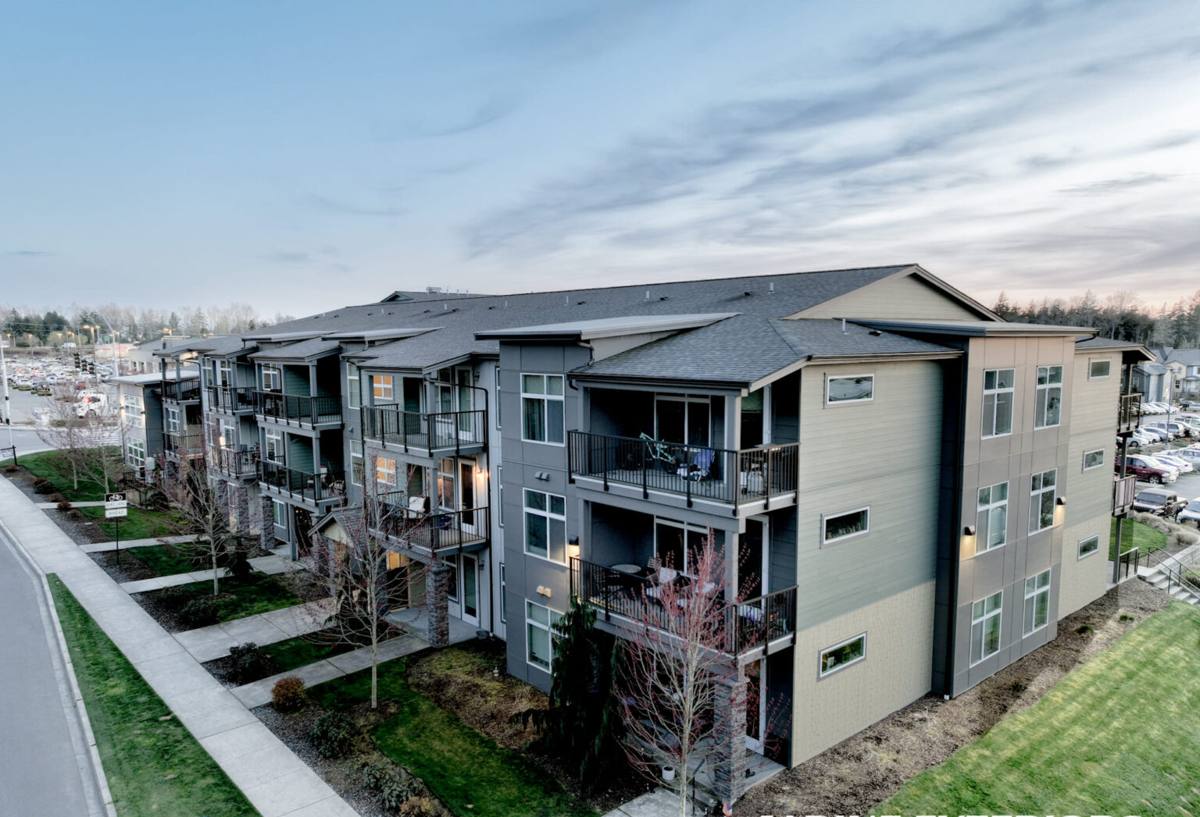
What Cherry Point's Climate Actually Does to Siding
Three things wear down siding here faster than in most parts of the country, and they compound each other:
- Salt air: Airborne salt accelerates corrosion on fasteners, flashing, and any metal trim. Cheap or mismatched fasteners can start rusting and staining a wall within a few years.
- Driving rain: Storms off the water don't just fall straight down — they push rain sideways into wall assemblies, which is exactly the condition board and batten's vertical seams need to be detailed for.
- A long moss season: Shaded, north-facing walls and anything under tree cover stay damp for months at a time. Moss and algae hold moisture against the surface, and on a product that isn't factory-sealed, that moisture eventually works its way into the substrate.
None of this makes board and batten a bad choice for Cherry Point. It makes the installation details non-negotiable.
What a Correct Board & Batten Installation Involves
Water management behind the battens
The single biggest factor in how long board and batten lasts here is what's happening behind the visible surface. A correct install starts with a weather-resistive barrier, proper flashing at every horizontal transition (window heads, band boards, roof-to-wall intersections), and — on the exposures that take the most weather — a rainscreen gap that lets any moisture that does get in drain and dry out instead of sitting against the wall sheathing.
Fastening and batten spacing
Battens need to land on framing or blocking, not just be face-nailed into sheathing, and fastener spacing has to follow the manufacturer's engineering — not "close enough." Corrosion-resistant fasteners matter everywhere, but they matter more within a few miles of saltwater.
Panel and joint sealing
Every horizontal joint and every point where the siding meets a window, door, or roofline is a place water can get behind the wall. These need to be caulked and flashed to spec, not just caulked and called done — sealant is a backup to good flashing, never a substitute for it.
James Hardie Board & Batten Options
We install James Hardie's fiber cement vertical siding system for board and batten projects — typically HardiePanel vertical siding paired with Hardie batten trim, finished in a factory-applied ColorPlus finish. A few things matter about that system specifically for a property like this:
- Fiber cement doesn't absorb and swell with moisture the way wood-based products can, which matters on walls that stay damp through moss season.
- It's non-combustible, which is a real consideration anywhere near dry brush or wildland-adjacent lots in Whatcom County.
- ColorPlus finish is baked on at the factory and warranted against fading and chipping, so you're not repainting battens and panels every few years the way you would with a field-finished wood product.
- Hardie's HZ5 product line is engineered for cold, wet climates like ours, which is a meaningful difference from siding engineered for a generic national spec.
Why We Only Install James Hardie
We don't install vinyl, LP SmartSide, primed spruce, cedar, or other fiber cement brands, and that's a deliberate call, not a sourcing limitation. Board and batten in particular exposes the weaknesses of lower-tier products fast — wood-based panels swell and telegraph seams, vinyl battens can warp and gap in temperature swings, and field-painted wood needs a repaint cycle that most homeowners don't want to keep up with. James Hardie's fiber cement holds its shape, holds its finish, and comes with a transferable warranty backed by a manufacturer that engineers specifically for wet coastal climates. That's what we're willing to put our name on.
How Our Process Works
- On-site assessment: We walk the exterior, check existing sheathing and moisture conditions, and identify problem exposures — shaded walls, roof-to-wall intersections, anywhere driving rain hits hardest.
- Design and product selection: Batten spacing, reveal width, corner treatment, and color are worked out up front, along with whether a rainscreen gap makes sense for your specific exposures.
- Tear-off and substrate check: Old siding comes off and we inspect sheathing for hidden rot before anything new goes up — this is often where problems from a prior installation show up.
- Weather barrier and flashing: House wrap, flashing at every penetration and horizontal transition, and rainscreen furring where called for.
- Installation to manufacturer spec: Panels and battens fastened per James Hardie's published requirements, not shortcuts.
- Final detailing: Trim, caulking, and a walk-through so you know what the finished assembly looks like and how it's built to perform.
Cost Factors for Board & Batten in Cherry Point
| Factor | Why It Matters Here |
|---|---|
| Wall exposure | Shoreline-facing and shaded walls often need rainscreen detailing that inland walls don't, which adds labor |
| Existing sheathing condition | Rot or water damage found during tear-off adds repair scope before new siding can go up |
| Batten reveal and spacing | Tighter reveals and custom spacing take more layout time and material than a standard pattern |
| Trim and corner detail | Custom corner boards, window trim, and transitions add labor beyond flat wall coverage |
| Access and site conditions | Multi-story walls, tight lots, or landscaping near the foundation affect scaffolding and staging time |
We give straightforward, itemized estimates so you can see what's driving the number — not a flat per-square-foot quote that hides what you're actually paying for.
Keeping Board & Batten Looking Right
Fiber cement with a factory finish needs far less upkeep than wood board and batten, but it isn't zero-maintenance, especially in a climate that grows moss on anything that sits damp.
- Rinse shaded and north-facing walls periodically to keep moss and algae from taking hold
- Check caulking at window and door trim yearly, since sealant is the first line of defense at those joints
- Keep landscaping and sprinklers from throwing water directly onto lower battens
- Have flashing and trim inspected after major storms if you notice staining or water tracking
- Repaint is not needed under normal conditions with ColorPlus finish — if a wall needs paint, that's usually a sign of an underlying issue worth checking
Why It Matters That We Already Work Cherry Point
A crew that only sees this stretch of coastline occasionally tends to detail walls the same way they would inland — because that's what they know. A crew that works Cherry Point and the greater Birch Bay area regularly has already seen which exposures fail first, which walls need a rainscreen and which don't, and how fast moss actually takes hold on a shaded gable in this specific stretch of Whatcom County. That local pattern recognition is what keeps a board and batten job from becoming a callback in five years.
If you're weighing board and batten for a home in or near Cherry Point, we're happy to walk the property, look at your specific exposures, and put together a free, no-pressure estimate — just fill out the form below.