 Birch Bay
 Roof Replacement for the Cherry Point Area
Cherry Point sits on the Whatcom County coastline near Birch Bay, and a roof out here works harder than one just a few miles inland. Salt-laden air moves in off the water almost constantly, wind-driven rain gets pushed into laps and flashing that a calmer climate would never test, and a long moss season settles into shaded slopes and north-facing valleys for much of the year. A roof replacement done right in this specific environment looks different from a standard tear-off-and-reroof job, and the difference shows up in how long the new roof actually lasts.
We replace roofs for homes in and around Cherry Point and the broader Birch Bay area, and we treat every replacement as a full system — deck, underlayment, flashing, ventilation, and covering — rather than just swapping out worn shingles for new ones. That's the only approach that holds up against this coastline's combination of salt, wind, and moisture.
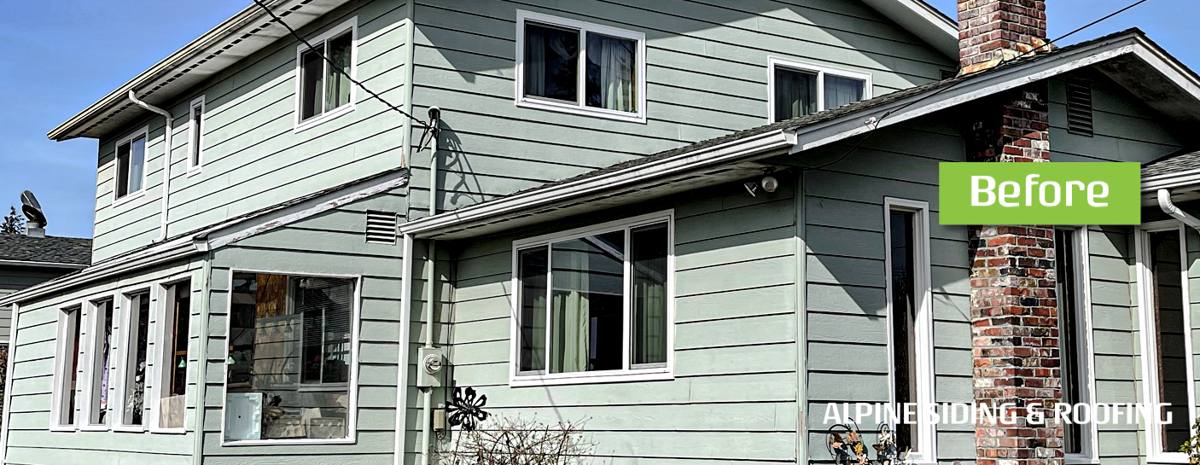
What Salt Air, Driving Rain, and Moss Do to a Roof
Salt Air and Metal Corrosion
Being close to the water means more airborne salt reaching every exposed surface of a roof, and salt is hard on metal. Flashing, fasteners, drip edge, and vent caps all corrode faster here than they would inland, and once a fastener or a piece of flashing starts to rust, it stops sealing the way it's supposed to. Every metal component on a Cherry Point roof needs to be rated for that exposure, not just picked because it's what's normally on the shelf.
Wind-Driven Rain
Rain near the water rarely falls straight down — wind pushes it sideways into laps, valleys, and any place two roof planes or a roof and a wall meet. That means the margin for error on flashing and underlayment overlap is smaller here than in a sheltered inland location. A detail that would pass fine somewhere calmer can leak on a Cherry Point roof specifically because the water is coming in at an angle, not from above.
Moss and Sustained Moisture
Mild temperatures, shade, and near-constant moisture add up to a moss season that can run most of the year on this stretch of coastline. Moss holds water against the roofing material, works its way under shingle tabs, and lifts granules and edges over time. North-facing slopes and anything shaded by trees or a neighboring structure tend to show it first and worst, and a roof that isn't detailed to shed water and dry out quickly will keep growing it back no matter how many times it gets cleaned.
Repair or Full Replacement? How to Tell
Not every roof problem near Cherry Point means a full replacement, but this climate does shorten the window where repair still makes sense. A few isolated missing shingles or a single damaged flashing point after a windstorm is usually a repair. Widespread granule loss, multiple soft spots, or moisture that's already reached the roof deck is a different situation — patching those areas individually rarely holds up, and it can end up costing more over a few years than doing the replacement once.
- Shingles that are curling, cupping, or missing granules across large sections of the roof, not just one spot
- Moss that keeps coming back in the same valleys or slopes shortly after cleaning
- Soft or spongy spots underfoot, or visible sagging along the roofline
- Daylight visible in the attic at roof-to-wall transitions or around penetrations
- Water staining on interior ceilings, especially after a windy storm with driving rain
- A roof that's approaching or past the manufacturer's expected service life for its material and this exposure
What a Correct Roof Replacement Involves Here
A roof replacement is only as good as what's underneath the visible surface. On a Cherry Point home, that means starting with a full tear-off so the deck can actually be inspected, not roofed over on top of hidden rot or soft spots. From there, every layer has a specific job to do against this climate's combination of salt, wind, and moisture.
Deck Inspection and Repair
Once the old roofing is off, we check the deck for soft spots, delamination, or water damage that wasn't visible from above. Any compromised sheathing gets replaced before anything new goes down — a new roof over a damaged deck just hides the problem instead of fixing it.
Underlayment
We use underlayment suited to this level of moisture exposure, with extra attention paid to valleys, eaves, and any low-slope transitions where wind-driven rain is most likely to test the system. This layer is the backup line of defense if wind or ice ever gets under the primary roofing material.
Flashing
Flashing at chimneys, vents, skylights, and roof-to-wall transitions is where most roof leaks near the water actually start. We use corrosion-resistant metal and lap every piece correctly for the direction water and wind actually move on this site, not just a standard downhill lap.
Ventilation
Proper intake and exhaust ventilation lets the attic and roof deck dry out between storms instead of trapping the moisture this climate constantly supplies. Poor ventilation shortens the life of any roofing material and contributes to the kind of sustained dampness that moss and mildew need to take hold.
Choosing a Roofing Material for This Coastline
There's no single roofing material that's automatically right for every home, but some hold up to salt air, wind-driven rain, and moss pressure better than others. We walk homeowners through the real trade-offs for their specific roof rather than pushing one product across the board.
| Material | Moisture & Moss Resistance | Wind Performance | Typical Longevity Here |
|---|---|---|---|
| Architectural asphalt shingles | Good with correct ventilation and periodic moss removal | Solid when properly fastened and detailed | 20-30 years with maintenance |
| Standing seam metal | Sheds moisture and moss well; minimal seams for water to enter | Strong; performs well in sustained coastal wind | 40-50+ years |
| Wood shake | Absorbs moisture readily; high moss and rot risk in shade | Moderate; individual shakes can lift in high wind | Shorter without consistent, regular maintenance |
| Composite/synthetic shingle | Low absorption; resists moss better than wood | Good when installed to manufacturer spec | 30-40+ years, product-dependent |
Whatever material a homeowner chooses, the flashing, underlayment, and ventilation underneath it matter more to how long the roof actually lasts on this coastline than the shingle brand printed on the wrapper.
Our Roof Replacement Process
We start with an on-site inspection of the existing roof, including the attic where accessible, to see how the current system has held up against salt, wind, and moisture over time. That inspection tells us whether repair is realistic or whether replacement is the more honest recommendation. From there we put together a clear, written scope covering materials, flashing details, ventilation changes if needed, and timeline before any work begins.
During the tear-off, we inspect the deck and address any damage before new underlayment or roofing goes down. Flashing, fastener grade, and ventilation are treated as standard parts of the job on every Cherry Point roof we replace, not optional add-ons quoted separately. Once the roof is complete, we walk the homeowner through what was done and what routine maintenance, like periodic moss removal, will help the roof reach its full expected life.
Why a Crew That Already Works Cherry Point Matters
A contractor who regularly works this stretch of Whatcom County coastline already knows how salt air, wind exposure, and a long moss season behave differently here than a few miles inland. That shows up in decisions a homeowner never sees directly — which fastener grade gets used, how tight the flashing laps are cut, where extra underlayment gets added in a valley — and those decisions are what separate a roof that lasts one wet season from one that lasts several decades.
A Simple Checklist Before Hiring for a Cherry Point Roof Replacement
- Ask whether they do a full tear-off and deck inspection, or roof over the existing layer
- Confirm current Washington contractor licensing and active liability insurance
- Ask how they detail flashing at valleys, chimneys, and roof-to-wall transitions for wind-driven rain specifically
- Ask about fastener and flashing corrosion resistance given the salt air exposure this close to the water
- Get a written scope of work, including material, underlayment, and ventilation details, before signing anything
- Ask how they'd expect the specific roofing material to perform against this area's moss season
If your roof near Cherry Point is showing wear, or you just want an honest read on whether it's a repair or a replacement, we're happy to take a look. Reach out below for a free, no-pressure estimate.