 Birch Bay
 Cherry Point Roofs Work Harder Than Most
Cherry Point sits right up against the water along the Whatcom County shoreline, and that location shapes everything about how a roof ages here. Homes get a steady dose of salt-laden air off the Strait of Georgia, wind-driven rain that finds its way under loose flashing and lifted shingle tabs, and a moss season that can run eight or nine months out of the year in shaded, north-facing sections of a roof. None of that is dramatic on its own. It's the combination, repeated year after year, that wears through a roof faster than the same materials would last a few miles inland.
Roof repair in this kind of environment isn't just about patching whatever is visibly wrong. It's about understanding which failures are cosmetic, which ones are actively letting water into the structure, and which ones are early warning signs that will turn into a bigger problem by next winter if they're ignored. That's the lens we bring to every Cherry Point repair call.
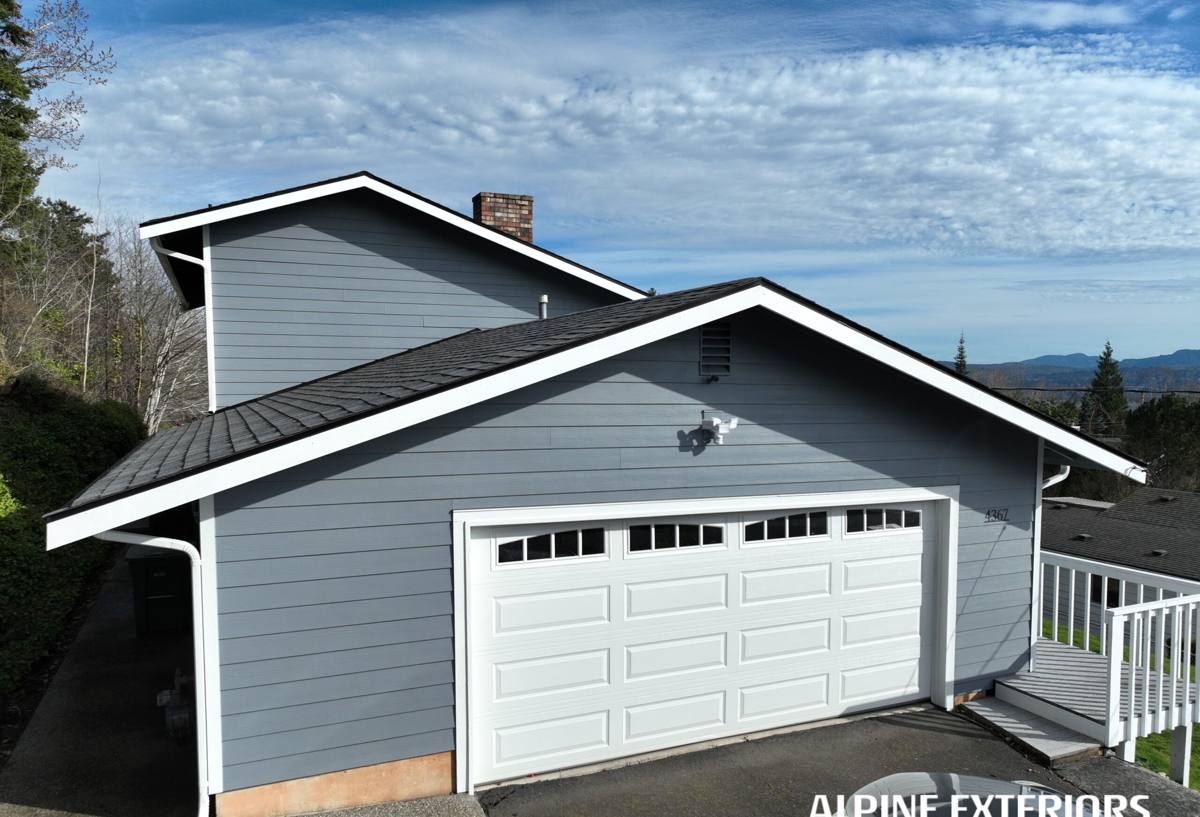
What Salt Air, Rain, and Moss Actually Do to a Roof
Salt Air
Airborne salt accelerates corrosion on any exposed metal — nail heads, flashing, gutter fasteners, and the metal drip edge along the eaves. Once corrosion starts eating into a fastener or a flashing seam, it stops being a cosmetic issue and becomes a path for water to travel under the roofing material.
Driving Rain
Wind off the water doesn't just fall straight down — it drives rain sideways and upward under shingle tabs, around vent boots, and into any flashing that isn't tightly lapped and sealed. A roof that would shed water fine in a calm rain can leak in the same spot during a wind-driven storm, which is why leaks here often show up only in certain weather conditions.
Moss
Shaded roof sections and north-facing slopes stay damp longer, and moss takes hold in that moisture. As it spreads, moss lifts shingle edges, holds water against the roofing material instead of letting it run off, and works its way into seams. Left alone, it shortens the life of an otherwise sound roof by years.
Signs a Cherry Point Roof Needs Repair
- Water staining on ceilings or upper walls, especially after a windy storm rather than a calm rain
- Granules collecting in gutters or at downspout outlets, indicating shingle wear
- Visible moss or dark streaking on north-facing or shaded slopes
- Lifted, curled, or missing shingle tabs, particularly near ridges and edges exposed to wind
- Rusted or loosening flashing around chimneys, vents, and skylights
- Sagging or soft spots underfoot on the decking beneath the roofing
- Daylight visible through the roof deck from inside an attic space
Any one of these can be a minor, inexpensive fix if it's caught early. Several of them together, or ones that have clearly been present for more than one season, usually mean water has already reached the decking underneath — which changes the scope of the repair.
What a Correct Repair Actually Involves
A roof repair that holds up in this climate has to address the cause, not just the symptom. That generally breaks down into a few categories of work, often combined on the same visit:
Flashing and Seals
Flashing around chimneys, skylights, vent pipes, and roof-to-wall transitions is the most common leak source in coastal conditions, because it relies on lapped metal and sealant rather than a continuous surface. We re-seat, re-seal, or replace corroded or loose flashing rather than just adding sealant over the top of a failing joint, since caulk over rusted metal is a short-term patch, not a fix.
Shingle and Underlayment Repair
Damaged or missing shingles get replaced down to sound decking, with new underlayment where the old material has degraded. Matching shingle color and profile as closely as possible keeps the repair from standing out.
Decking Repair
If water has been getting past the roofing for a while, the plywood or board decking underneath can be soft, delaminated, or rotted. That section gets cut out and replaced before any new roofing goes down over it — patching over compromised decking just hides the problem.
Moss Treatment and Removal
Established moss gets physically removed (not just power-washed, which can drive moisture and debris further under shingles) and the area treated to slow regrowth. We also look at what's feeding the moss — usually shade and slow drainage — since removal without addressing the cause means it comes back within a season or two.
Drainage and Gutters
A roof repair that ignores clogged or undersized gutters is treating half the problem. Standing water at the eaves backs up under the drip edge and roofing material, especially during heavy rain events, so we check that water is actually leaving the roof once it hits the gutter line.
How We Approach a Repair Visit
- Full roof and attic inspection, not just a look at the spot where the leak shows up inside
- Tracing the actual water path — leaks often travel along rafters or decking before dripping somewhere visibly distant from the entry point
- Identifying every contributing factor: flashing, shingle condition, moss, ventilation, and drainage
- A written explanation of what's failing and why, in plain terms, before any work starts
- Repair scoped to what the roof actually needs — not upsold to a full replacement if a targeted repair will genuinely hold
- Photos and a summary of what was done, so there's a record for insurance or future reference
We won't tell a homeowner they need a full re-roof when a focused repair will do the job, and we won't quietly patch over a decking problem that's going to resurface in a year. Both directions cost trust, and both eventually cost the homeowner more money.
Repair vs. Replacement: How We Tell the Difference
| Condition | Usually Repairable | Usually Points to Replacement |
|---|---|---|
| Age of roofing | Under 12-15 years, isolated issue | Near or past expected lifespan, widespread wear |
| Extent of damage | Localized to one section or flashing point | Multiple slopes affected, granule loss widespread |
| Decking condition | Sound, dry beneath the roofing | Soft, delaminated, or rotted in several areas |
| Moss coverage | Isolated patches, shingles intact underneath | Heavy coverage with shingle degradation underneath |
| Leak history | New or first-time occurrence | Recurring leaks in different spots over time |
Most Cherry Point calls we get fall into the repairable column — the exceptions are usually roofs that have gone several seasons without any attention while moss and flashing wear compounded.
Cost Factors Homeowners Should Understand
| Factor | Why It Matters |
|---|---|
| Roof pitch and access | Steeper or harder-to-reach sections take longer and require more safety setup |
| Extent of decking damage | Every additional section of rotted decking adds material and labor |
| Flashing complexity | Multiple penetrations (chimney, skylights, vents) each need individual attention |
| Shingle matching | Older or discontinued shingle lines may require a wider color-matching approach |
| Moss removal scope | Light spot treatment costs far less than full-roof removal and treatment |
We won't quote a number without seeing the roof — anyone who does is guessing, and coastal roofs have too much hidden variability for a phone estimate to mean much.
Maintenance That Extends the Life of a Repair
- Clear gutters and downspouts at least twice a year, more often under overhanging trees
- Trim back branches that keep roof sections shaded and slow to dry
- Have moss treated before it spreads past a small patch, not after
- Check attic ventilation — poor airflow traps moisture and speeds both rot and moss growth
- Schedule a walk-through inspection after any significant windstorm, even if nothing looks obviously wrong from the ground
None of this replaces a proper repair when something has already failed, but it's the difference between a repair lasting its full expected life and needing another visit in eighteen months.
Why Local Experience in This Area Matters
A roofing crew that mostly works drier, inland parts of Whatcom County will diagnose a Cherry Point roof differently than one that works this shoreline regularly. Knowing which flashing details tend to fail first in wind-driven rain, which slopes hold moss longest, and how quickly salt air corrodes different fastener types changes what gets checked and what gets prioritized on a repair visit. It also means showing up with the right materials and hardware for coastal exposure the first time, rather than defaulting to standard-grade components that wear out faster in this environment.
Birch Bay Siding works roofs throughout this stretch of the county, and Cherry Point's combination of salt air, exposure, and shade patterns is a condition we plan for, not something we're figuring out on site.
Get an Honest Look at Your Roof
If you're seeing signs of a leak, moss buildup, or flashing wear on a Cherry Point roof, it's worth getting a straight assessment before the next storm season rather than after. We'll walk the roof, explain what we find in plain terms, and give you a written estimate with no pressure toward a bigger job than the roof actually needs. Use the form below to request a free estimate.