 Birch Bay
 Window Replacement in Terrell Creek: A Different Corner of Birch Bay's Weather
Terrell Creek sits a bit back from the open shoreline that most people picture when they think of Birch Bay, in the lower-lying, creek-drained pocket of the community on the inland side of the bay. That setting changes the exposure a house actually deals with. Homes here get more shade from tree cover along the creek corridor and the surrounding lots, and the ground stays wetter longer after a storm than it does on the open, wind-scoured lots closer to the water. It's still the same Whatcom County marine climate underneath it all — salt-tinged air moving in off the bay, driving rain through the fall and winter, and a moss season that runs long on anything shaded or damp — but the way that climate shows up on a Terrell Creek house is different from a lot sitting exposed right on the water.
We install and replace windows throughout Birch Bay, and Terrell Creek is a neighborhood we work often enough to know its particular quirks: which walls stay damp longest after the tree canopy blocks the afternoon sun, which sills tend to hold moisture because airflow is lower than on an open lot, and how the same driving rain that soaks a waterfront window differently soaks one tucked back among trees and neighboring structures. A window is never an isolated product — it's part of the wall assembly around it — and getting that assembly right matters just as much here as it does on the open bay, just for slightly different reasons.
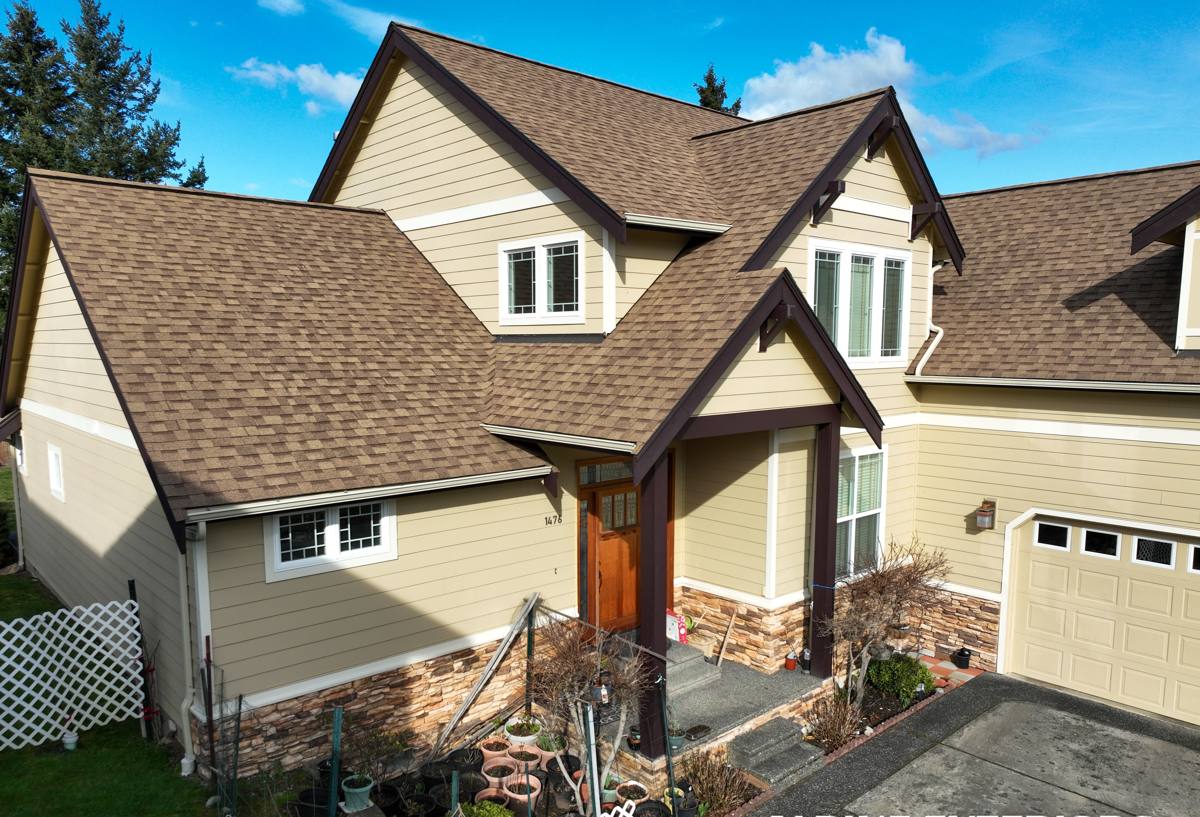
What Terrell Creek's Microclimate Does to Windows
Shade and Standing Moisture
Tree cover near the creek and closely spaced lots mean a lot of Terrell Creek homes have at least one elevation that rarely sees direct sun. That shade is pleasant in summer, but it also means window sills, trim, and the wall surface around them dry out more slowly after rain than they would on an open, sun-exposed lot. Moisture that lingers longer has more time to work into small gaps, failed caulk lines, or a sill that isn't pitched to shed water — which is exactly the kind of slow, unnoticed process that leads to rot and interior damage over several seasons rather than one dramatic failure.
Wind-Driven Rain Off the Bay
Even set back from the immediate shoreline, Terrell Creek still sits inside the path of wind-driven rain that comes off Birch Bay. Rain here rarely falls straight down — wind pushes it sideways into window flashing and head trim, and that sideways load is a tougher test of installation quality than of the window unit itself. A window with excellent glass and hardware will still leak if the flashing behind it wasn't lapped and integrated correctly, regardless of how sheltered the lot looks from the road.
An Extended Moss and Mildew Season
Combine persistent shade with regular moisture and you get a moss and mildew season that runs longer here than it does on more open, breezy parts of Birch Bay. Window trim, sills, and the siding immediately around a window are common places for it to take hold first, especially on north-facing or heavily shaded openings. Left alone, that organic growth holds moisture against the wood or trim underneath it and accelerates whatever decay has already started.
Signs a Terrell Creek Home Needs Window Replacement
Because moisture problems build slowly in a shaded, low-airflow setting like this, it's worth checking windows for these signs at least once a year, not just when something obviously breaks:
- Fogging or condensation trapped between panes, which usually means a failed seal on a double- or triple-pane unit
- Soft, discolored, or spongy trim and sill material, particularly on shaded or tree-covered walls
- Persistent moss, algae, or dark mildew staining on the trim or siding directly around a window frame
- Windows that stick, bind, or won't latch the way they used to
- Visible gaps, cracked or missing caulk, or daylight showing around the frame from inside
- A noticeable draft or cold spot near a closed window
- Water staining on interior walls or ceilings below or beside a window
Any one of these is worth a look. On their own, most point to a repair or resealing job. Several together, especially on the same shaded elevation, usually mean water has already worked its way into the framing behind the window.
Full-Frame vs. Insert Replacement for Terrell Creek Homes
One of the first calls on any window project is whether to do a full-frame replacement — removing the old window down to the rough opening and rebuilding the flashing from scratch — or an insert replacement, which sets a new window into the existing, intact frame. Insert replacement is quicker and less disruptive to surrounding siding and trim, and it's a reasonable choice when the existing frame is sound and was flashed correctly to begin with. Full-frame replacement takes longer and costs more, but it's the honest answer whenever there's already moisture damage at the sill or jambs, which we see more often on Terrell Creek's shaded, slower-drying elevations than on open, sun-exposed lots elsewhere in Birch Bay. We'll tell you which situation your windows are actually in before recommending either option — not default to the cheaper path and leave a hidden moisture problem sealed up behind a new window.
Choosing a Window Material for This Setting
There's no single right answer for every home, and budget and how long you plan to stay in the house both matter. But in a shaded, moisture-retentive setting like Terrell Creek, some trade-offs matter more than they would on a drier, sunnier lot.
| Frame Material | Behavior in Shade & Moisture | Typical Maintenance | Realistic Lifespan Here |
|---|---|---|---|
| Vinyl | Won't rot; performance depends heavily on installation quality | Low; periodic track and weep-hole cleaning | 20-30 years |
| Fiberglass | Dimensionally stable; handles sustained damp shade well | Low | 30-40+ years |
| Wood, painted or clad | Attractive but the most vulnerable to slow moisture damage in shaded spots | Higher; regular repainting or refinishing | 15-30 years depending on upkeep |
| Aluminum | Conducts cold and can corrode in salt-influenced air without a good finish | Moderate | 20-30 years |
On the shadiest, slowest-drying walls we typically steer homeowners away from unclad wood unless they're committed to regular upkeep, since that's the material that suffers most when moisture sits longer than it does on a sun-exposed elevation. Vinyl and fiberglass tend to be the more forgiving choices for those spots, with the final decision coming down to your budget and how the frame will look against the rest of the house.
Installation Details We Don't Treat as Optional
In a low-airflow, shade-heavy setting, the installation detailing around a window matters more than usual, because there's less sun and wind to help dry out a mistake. On every Terrell Creek project, that means:
- A properly pitched sill pan that sheds water outward instead of letting it sit under the frame
- Head flashing integrated with the housewrap above the window, lapped so water sheds down and out rather than behind the trim
- Jamb flashing tied into the surrounding wall assembly, not just caulked over and hoped for the best
- Weep holes and drainage paths left open and functional, never sealed shut during install
- Corrosion-resistant fasteners and hardware suited to sustained damp, salt-tinged air
- Air sealing and insulation around the frame that doesn't trap moisture against the framing lumber
None of this adds meaningfully to the cost of the job. Skipping it is what turns a window that should last decades into one quietly leaking behind the wall within a few wet seasons — and in a shaded spot like Terrell Creek, that kind of leak can go unnoticed longer than it would on a more exposed, faster-drying wall.
What a Correct Job Actually Looks Like on Site
On install day, that means the crew slows down at exactly the points most contractors rush: cutting back housewrap cleanly, dry-fitting flashing before anything gets sealed permanently, and confirming the sill pan actually pitches outward rather than trusting it looks right by eye. It's slower work than just setting a window and caulking the edges, but it's the difference between a window that performs for its full service life and one that needs attention again in five years.
How We Approach a Window Project in Terrell Creek
We start with an on-site look at the existing windows and the wall assembly around them, paying particular attention to shaded elevations and any sill or trim that's stayed damp longer than it should. From there we walk you through what we found in plain terms — repair, reseal, or replace, and if replace, insert or full-frame — along with a clear written scope and timeline before any work begins. If a window turns up moisture damage that's already spread into the surrounding siding or trim, we'll address that as part of the same project rather than sending you to track down a second contractor for it.
Why Hiring a Crew That Already Works Terrell Creek Matters
A contractor who works this specific neighborhood regularly already knows that a shaded lot near the creek doesn't dry out the way an open lot on the water does, and that the same driving rain off Birch Bay hits a tucked-back window differently than one facing open water. That familiarity shows up in small but consequential decisions: how much extra attention a north-facing, tree-shaded wall needs compared to a sun-exposed one on the same street, how a sill pan should be pitched given how slowly a given lot actually drains, and which flashing details are worth the extra time on install day. Those are the details that decide whether a window replacement lasts one or two decades or needs revisiting far sooner than it should.
A Short Checklist Before Hiring for Window Work in Terrell Creek
- Ask exactly how they'll flash and seal the new window, not just what brand they're installing
- Confirm current Washington contractor licensing and active liability insurance
- Ask how they handle rot or damage discovered once the old window comes out
- Get a written scope of work, including material and labor, before signing anything
- Ask whether they've worked in Terrell Creek or similarly shaded parts of Birch Bay before
If you've got windows in Terrell Creek that are fogging, sticking, drafty, or showing soft trim after a wet season, we're glad to take a look and give you a straightforward read on what they actually need. Reach out using the form below to schedule a free, no-pressure estimate.