 Birch Bay
 Siding Replacement for Terrell Creek Homes
Terrell Creek sits inland from the Birch Bay shoreline, but don't let the distance from the water fool you. This part of Whatcom County gets the same driving rain off the Strait of Georgia, the same long gray stretches of moss season, and enough proximity to salt water that airborne salt still reaches the tree canopy and settles on exterior walls. Add in the mature tree cover and low-lying, creek-adjacent terrain that keeps humidity higher and drying times longer than you'd find further inland, and you have a set of conditions that are genuinely hard on exterior siding — especially siding that wasn't built or installed with this specific climate in mind.
This page is about one thing: replacing siding on a Terrell Creek home, done right, by a crew that already understands what this neighborhood's weather does to a wall system over time.
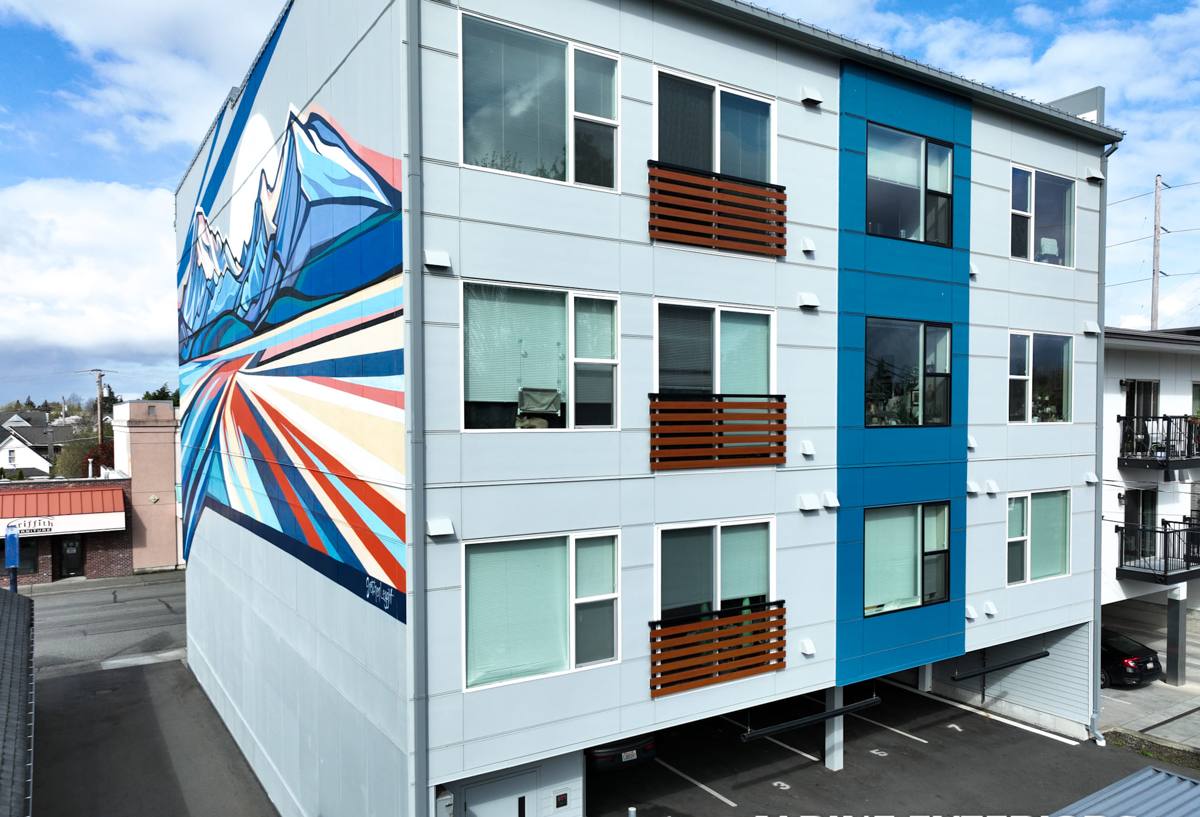
What Terrell Creek's Climate Does to Siding
Moisture That Doesn't Let Up
Whatcom County sees a long wet season, and Terrell Creek's setting — closer tree cover, creek-fed humidity, less direct sun exposure on many lots than open shoreline properties — means siding here often stays damp longer after a storm than siding on a more exposed, sun-facing wall elsewhere in Birch Bay. Materials that absorb water or swell at the edges don't get the recovery time they'd get in a drier climate.
Moss and Organic Growth
Shaded siding, damp air, and organic debris from surrounding trees are a recipe for moss, algae, and mildew staining. This isn't just cosmetic — sustained organic growth holds moisture against the siding surface, which accelerates rot in wood-based products and degrades paint and caulking faster than a clean, dry wall would.
Salt Air, Even Set Back From the Water
Birch Bay's salt air doesn't stop at the waterfront. Wind carries fine salt particulate inland, and it settles on siding, trim, and fasteners throughout the area, including Terrell Creek. Over years, that accelerates corrosion on unprotected metal components and can degrade certain paint and coating systems faster than in a non-coastal climate.
Signs a Terrell Creek Home Needs Replacement, Not Repair
Not every siding problem calls for a full tear-off. But there's a point where patching becomes a losing game — you're spending money to delay a job you'll still have to do. Common signs we look for on Terrell Creek homes:
- Soft or spongy spots when you press on the siding, especially near the bottom courses and around window trim
- Persistent moss or dark staining that comes back within a season of cleaning
- Paint that's bubbling, peeling, or won't hold no matter how often it's redone
- Visible gaps, warping, or buckling boards, particularly on shaded or north-facing walls
- A musty smell near exterior walls inside the home, which can point to moisture already working its way into the wall assembly
- Siding that's original to a home 20-plus years old and was never a durable, climate-rated product to begin with
If you're seeing more than one of these, a proper inspection is worth doing before winter rains make the problem worse.
What a Correct Siding Replacement Actually Involves
Siding replacement is more than swapping old boards for new ones. Done correctly, it's a full wall-system upgrade:
Tear-Off and Substrate Check
Old siding comes off completely so the sheathing underneath can be inspected. In a moisture-heavy area like Terrell Creek, this step matters — hidden rot behind old siding is common, and it has to be found and repaired before anything new goes up. Covering over a compromised substrate just hides the problem.
Weather-Resistive Barrier and Flashing
A correctly installed water-resistive barrier, properly lapped and taped, along with new flashing at windows, doors, and any roof-to-wall intersections, is what actually keeps water out of the wall. The siding itself is the visible layer, but the barrier and flashing behind it do most of the real work — and it's the step that gets rushed on jobs that don't hold up.
Material Selection Built for This Climate
Not every siding product is engineered for sustained coastal moisture and moss exposure. This is where product choice matters as much as installation quality.
Installation to Manufacturer Spec
Fastener placement, board clearance from grade and roof lines, caulking at joints, and proper nailing patterns all affect how well siding performs over 20, 30, or more years. A product rated for coastal exposure still fails early if it's hung wrong.
Why We Install Only James Hardie Fiber Cement
We don't install vinyl, LP SmartSide, Cemplank, Allura, or primed wood siding like cedar or spruce. That's a deliberate standard, not a limitation of what we're capable of installing. Each of those products has trade-offs — vinyl can warp and doesn't hold up as well to the freeze-thaw and impact stresses of Pacific Northwest weather; wood-based products like LP SmartSide and cedar require diligent ongoing maintenance to keep moisture out of engineered wood fiber or natural grain; fiber cement alternatives like Cemplank and Allura are reasonable products, but we've standardized on one system so we can guarantee consistent installation quality and stand behind the work.
James Hardie fiber cement is non-combustible, dimensionally stable in wet-dry cycling, and available in HZ5 formulation engineered specifically for climates with sustained moisture exposure — which describes Terrell Creek and the greater Birch Bay area well. The factory-applied ColorPlus finish resists fading and holds up to the salt-air conditions common in this part of Whatcom County far better than field-applied paint on wood siding. It also carries a strong, transferable manufacturer warranty, which matters if you sell the home down the road.
Our Process for a Terrell Creek Project
- On-site assessment: we walk the exterior, check for moisture damage, and evaluate the current wall assembly before quoting anything
- Detailed estimate: a clear scope of work and pricing, no vague allowances
- Tear-off and substrate repair: old siding removed, sheathing inspected and repaired as needed
- Barrier and flashing installation: the moisture-management layer goes in correctly, every time, before a single piece of Hardie goes up
- Hardie installation to spec: proper fastening, clearances, and joint treatment
- Final walkthrough: we go over the finished job with you before calling it done
What Affects Cost on a Terrell Creek Siding Replacement
| Cost Factor | Why It Matters Here |
|---|---|
| Extent of substrate damage | Homes with long-term moisture exposure often need sheathing repair before new siding goes up |
| Home size and wall complexity | More corners, gables, and trim detail mean more labor and material |
| Siding profile and trim package | Lap width, shingle-style accents, and trim choices affect material cost |
| Access and site conditions | Tree cover, slope, or tight lot access common in creek-adjacent properties can affect setup time |
| Removal and disposal of old siding | Volume and type of old material affects tear-off and haul-away cost |
We give you a real number after seeing the house, not a phone estimate — every property here is different, and guessing at cost before a walkthrough usually means adjusting it later.
What to Look for in a Contractor for This Area
Terrell Creek and Birch Bay have specific enough conditions that experience here is worth asking about directly. Before you hire anyone for a siding replacement:
- Ask how many jobs they've done specifically in Birch Bay or the surrounding Whatcom County coastal area
- Ask what siding products they install and why — a contractor who installs everything usually isn't specializing in doing one thing well
- Confirm they're licensed and insured in Washington, and ask to see it, not just take their word
- Ask specifically how they handle weather-resistive barrier and flashing detail, not just the visible siding
- Get the manufacturer warranty terms in writing, and ask whether it's transferable if you sell
- Ask what happens if they find rot or damage once old siding comes off — a vague answer here is a red flag
Keeping Your Siding Performing After Installation
Correctly installed James Hardie siding needs very little upkeep, but Terrell Creek's tree cover and moisture mean it's still worth an annual rinse-down to keep moss and organic buildup from taking hold, especially on shaded walls. Beyond that, periodic visual checks at trim and flashing points — the same spots that cause problems on any home — are the main thing to stay on top of.
If your Terrell Creek home's siding is showing wear, staying damp, or just due for an honest look, we're happy to come take a look. Fill out the form below for a free, no-pressure estimate — we'll tell you straight whether you need a full replacement, a repair, or nothing at all right now.