 Birch Bay
 Why Windows Take a Beating in Custer
Custer sits close enough to Birch Bay and the Strait of Georgia that salt-laden air is a fact of life, even on properties that aren't waterfront. That salt air settles on window frames, hardware, and glazing over time, and it's harder on some materials than others. Add in Whatcom County's long stretch of driving rain each fall and winter, plus a moss season that can run from October well into spring, and you've got a climate that finds every weak point in a window system. Old caulk lines crack, wood sashes swell and stick, and moss and algae take hold in shaded corners where moisture never fully dries out.
None of that means windows in Custer fail faster than anywhere else in the region — it means the details matter more. A window that's installed correctly, with the right flashing and the right materials for a coastal-influenced climate, will hold up fine. One that's cut corners on will show it within a few winters, usually as soft trim, fogged glass, or drafts that no amount of weatherstripping can fix.
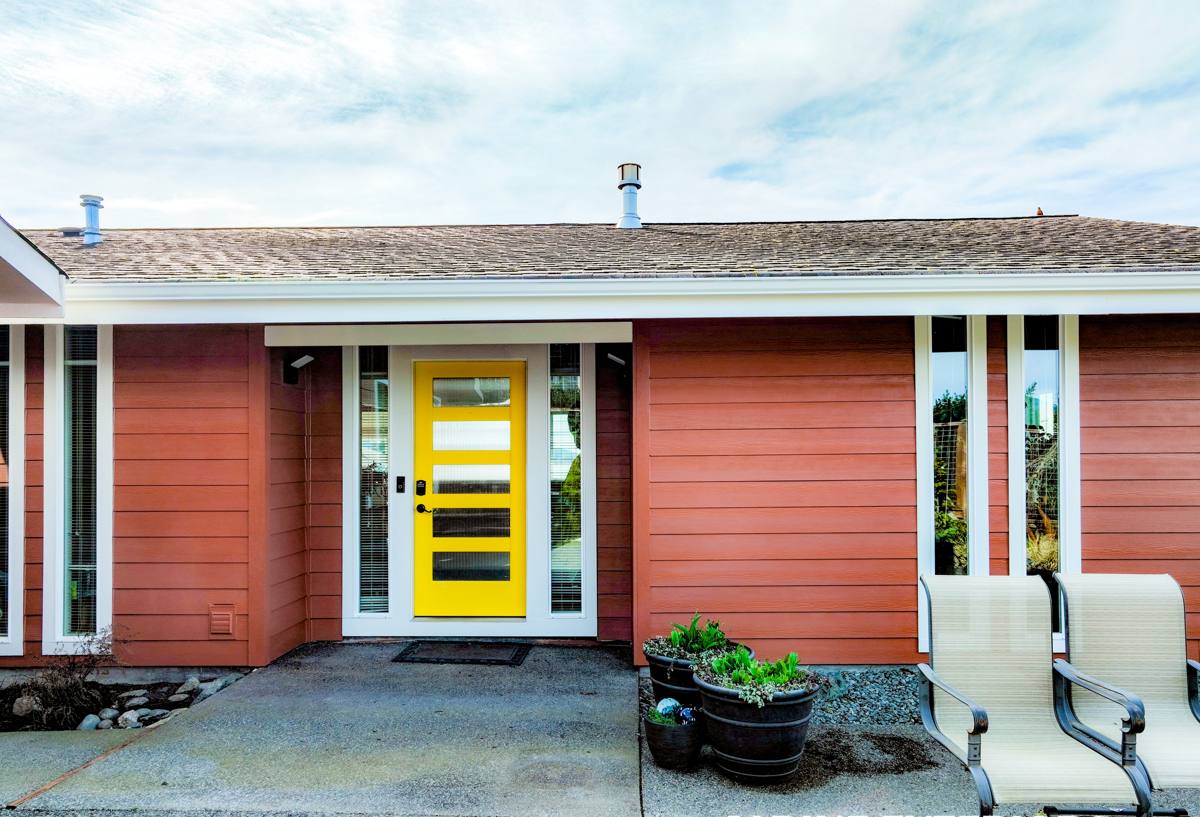
Signs Your Custer Home Needs Window Replacement
Most homeowners don't wake up one day and decide they need new windows — they notice small problems that add up. Here's what we look for, and what you can check yourself before calling anyone:
- Fogging or a hazy film between panes of glass (a failed seal in a double-pane unit)
- Wood trim or sills that feel soft, spongy, or show dark staining
- Windows that are hard to open, close, or lock, especially after a wet stretch
- Visible gaps around the frame, or daylight showing at the corners
- Noticeable drafts near the window even when it's shut and locked
- Moss, algae, or black streaking building up on the frame or sill that keeps coming back
- Higher heating bills without any other explanation
- Condensation forming on the inside of the glass regularly during cold snaps
One or two of these on their own might just mean a repair or a re-caulk. Several together, especially on a home with its original windows, usually means the window system itself has reached the end of its useful life.
What a Correct Window Replacement Job Involves
Removal and Inspection
The old window comes out carefully so we can actually see the rough opening — the framing, the sheathing, and whatever moisture barrier (or lack of one) is behind the old unit. This is the point where hidden problems show up: soft framing, missing flashing, or water staining that never would have been visible from outside. It's also the reason we don't like quoting a job sight unseen — what's behind the trim matters as much as the window itself.
Flashing and Moisture Management
This is the step that separates a window that lasts from one that leaks in three years. In a climate with as much driving rain as ours, the flashing details around the window — head flashing, sill pan, and properly lapped weather-resistant barrier — need to shed water down and out, never trap it inside the wall. We treat this as non-negotiable, even on jobs where it would be faster to skip it.
Insulation and Air Sealing
Gaps between the new window frame and the rough opening get filled with the right insulating material — not overpacked, which can bow the frame, and not skipped, which leaves a cold, drafty gap. This is also where a lot of the energy-efficiency benefit of a window replacement actually comes from.
Installation and Fastening
The window gets set plumb, level, and square, then fastened according to the manufacturer's schedule so the warranty stays valid. A window that's slightly out of square will bind, won't lock properly, and will wear out its hardware early.
Exterior Sealing and Trim
Exterior caulking and trim work finish the job and give the window its final weatherproof seal. We use sealants rated for exterior exposure in wet coastal climates, not general-purpose caulk that will crack and open back up after a season or two.
Choosing the Right Window for Custer's Climate
There's no single "best" window for every home — it depends on budget, the home's age and style, and how exposed the property is to wind-driven rain and salt air. Here's how the common options compare for a Whatcom County coastal-influenced setting:
| Frame Material | Moisture Resistance | Maintenance | Typical Fit |
|---|---|---|---|
| Vinyl | Strong — won't rot, resists salt air well | Low — occasional cleaning | Most budgets, wide style range |
| Fiberglass | Excellent — very stable in wet, temperature-swinging conditions | Low | Higher-end, long-term durability priority |
| Wood | Requires ongoing protection to hold up against driving rain and salt air | High — needs regular refinishing | Historic or traditional-style homes where the look matters most |
| Wood-clad (wood interior, metal/vinyl exterior) | Good, if the cladding is fully sealed at every joint | Moderate | Homeowners who want a wood interior look with better exterior durability |
We're upfront with Custer homeowners about wood: it can look great, but it's the highest-maintenance option in a climate with this much rain and salt exposure, and a missed refinishing cycle can lead to rot faster than people expect. If the look of wood matters to you, a wood-clad or a quality vinyl or fiberglass unit with wood-tone interior finishes is usually the more practical long-term call — that's our honest recommendation, not a knock on wood windows themselves.
Glass Packages Worth Considering
Beyond frame material, the glass package affects both comfort and moisture control:
- Dual-pane, argon-filled: the standard baseline for this climate — meaningfully better than old single-pane or aging dual-pane units
- Low-E coatings: help manage heat loss in winter and glare in summer without darkening the glass noticeably
- Triple-pane: worth considering on north-facing or heavily exposed walls where drafts are worst, though it adds cost and weight
Our Process, Start to Finish
1. On-Site Estimate
We come look at the actual windows, the exposure of the home, and the condition of the framing where we can see it. You get a written estimate, not a verbal guess.
2. Measuring and Ordering
Once you approve the scope, we take precise measurements for each opening and order the windows. Lead times vary by manufacturer and style, and we'll give you a realistic timeframe rather than an optimistic one.
3. Installation
Most homes are done in a matter of days, not weeks, depending on how many windows are involved. We work efficiently but don't rush the flashing and sealing steps — those are the parts that determine whether the job holds up through a Whatcom County winter.
4. Cleanup and Walkthrough
We clean up debris and old materials, then walk the job with you so you can see and operate every window before we call it done.
What Affects the Cost
Every home is different, so we won't quote a number without seeing the job, but these are the main factors that move the price up or down:
| Factor | Why It Matters |
|---|---|
| Number and size of windows | More glass and larger openings mean more material and labor |
| Frame material chosen | Vinyl, fiberglass, and wood span a wide cost range |
| Glass package | Triple-pane and specialty coatings add cost over standard dual-pane |
| Condition of the existing opening | Rotted framing or missing flashing found during removal adds repair time |
| Access and second-story work | Harder-to-reach windows take longer and may need extra equipment |
| Full-frame vs. insert replacement | Full-frame replaces everything down to the studs; insert reuses the existing frame where it's still sound |
We'll tell you honestly if insert replacement is a good fit for your home or if the old frames are far enough gone that full-frame replacement is the better long-term investment — even though full-frame typically costs more.
Why Hiring a Crew That Knows Custer and Birch Bay Matters
A window installer who mostly works inland doesn't always think about salt exposure, wind-driven rain, or the moss and algae growth that shaded, damp corners of a Birch Bay-area home deal with every year. Those details change how we flash an opening, what sealants we trust, and which frame materials we'll recommend for a given exposure. A crew that regularly works Custer and the surrounding Whatcom County coastline has already seen how different products and installation methods hold up here over years, not just on paper.
There's also a practical side: local crews are easier to reach for a warranty question or a follow-up years down the road, and we're not driving in from out of the area to look at a callback.
Protecting Your Investment After Installation
New windows still need a little upkeep to get their full lifespan out of them, especially in a climate with this much rain and moss pressure:
- Rinse frames and tracks periodically to keep salt residue and grime from building up
- Check exterior caulk lines once a year for cracking or separation
- Keep gutters and downspouts clear so water isn't sheeting down over window heads
- Trim back vegetation that keeps a window in constant shade and dampness, which encourages moss growth
- Operate locks and hardware a few times through the winter so they don't seize up from disuse
If you're noticing drafts, fogged glass, or windows that are getting harder to operate, we're happy to take a look and give you a straight answer about whether repair or replacement makes more sense for your home. Reach out for a free, no-pressure estimate using the form below.