 Birch Bay
 Why Window Installation in Blaine Is Its Own Job
Blaine sits right on the water at the top of Whatcom County, close enough to Semiahmoo Bay and the Salish Sea that salt-laden air is part of daily life for every home in the area, including the ones a few minutes inland toward Birch Bay. That air, combined with the driving rain that blows in off the water and a moss season that can stretch most of the year, puts more stress on window openings here than in a typical inland town. A window installation that would hold up fine in a drier climate can fail early in Blaine if the flashing, sealants, and drainage details aren't matched to what this coastline actually does to a house.
This page is specifically about window installation for homes in and around Blaine. It's not a generic overview — it's what we look for, what we do differently, and why the details matter more here than they do somewhere without salt air and near-constant moisture pressure.
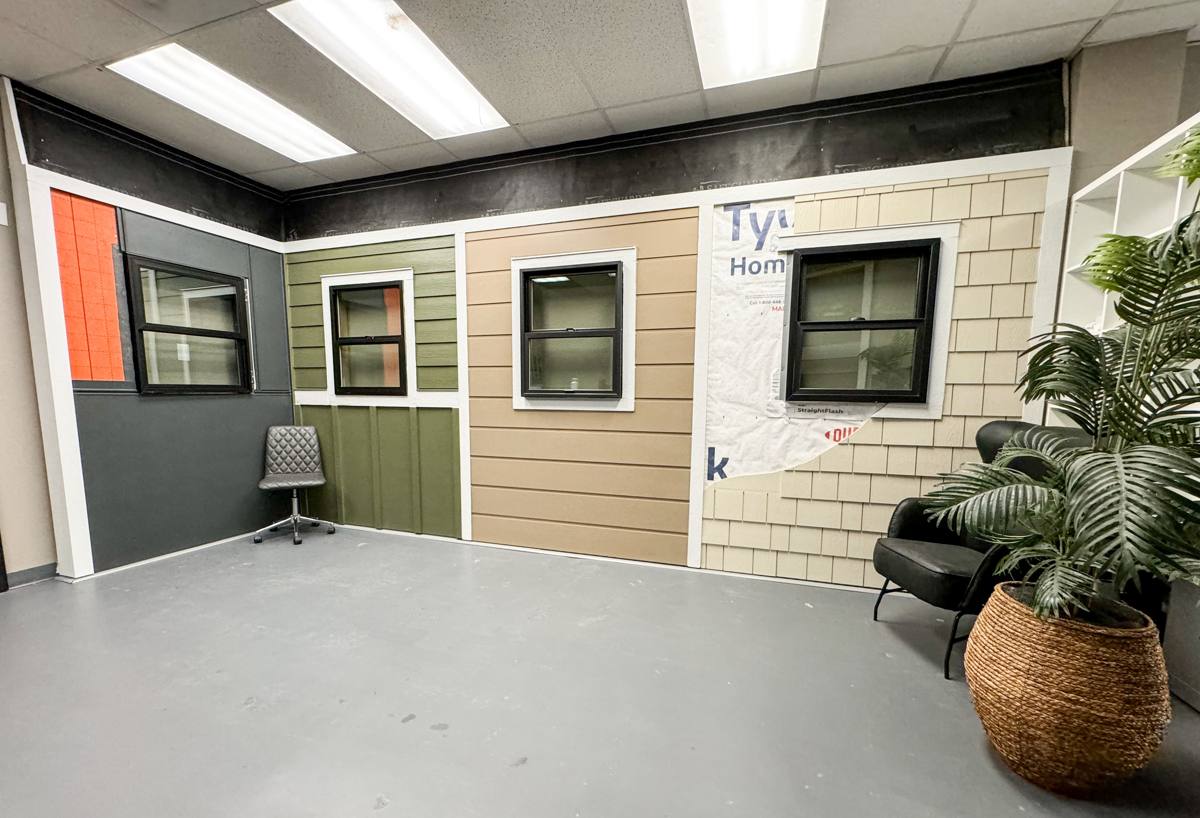
What Salt Air, Rain, and Moss Do to a Window Opening
Salt air
Airborne salt accelerates corrosion on exposed metal — hardware, fasteners, and lower-grade flashing all degrade faster near the water. It also breaks down some sealants and finishes ahead of schedule. Windows and installation materials rated for salt-air exposure hold up noticeably longer than standard-grade products here.
Driving rain
Wind-driven rain doesn't just fall on a window, it gets pushed sideways into the gap between the window and the wall framing. If the flashing and water management behind the trim aren't built to handle rain coming in at an angle, water finds its way past the surface caulk line and into the wall — usually well before anyone notices a problem from inside.
Moss and prolonged dampness
A long moss season means more of the year spent with wood trim, sills, and siding staying damp longer between dry stretches. Moss and algae hold moisture against the surface, which speeds up rot in untreated wood and keeps humidity higher right at the window perimeter — exactly where a poor seal will fail first.
What a Correct Window Installation Actually Involves
A window looks the same from the street whether it was installed correctly or not — the difference shows up years later, in the wall. Here's what we consider non-negotiable on every job in this area:
- Removing the old window fully and inspecting the rough opening and sill for hidden rot or prior water damage before anything new goes in
- Correcting any soft or damaged framing before installation, not covering over it
- Installing a sloped sill pan so any water that does get past the window drains back outside instead of pooling
- Layering flashing tape and building paper in the correct shingle-style order so water is always directed downward and outward
- Using sealants and fasteners rated for coastal/salt-air exposure, not standard interior-grade materials
- Insulating the gap between the window frame and rough opening properly, without overpacking it in a way that bows the frame
- Confirming the window operates smoothly and seals tight before final trim goes on
Skip any one of these steps and the window can still look fine on installation day. The problems that show up later — soft trim, peeling paint, a musty smell near the window, or a spike in a heating bill — usually trace back to one of these details being rushed.
Choosing Windows and Materials That Fit This Climate
Frame material matters more here than in a drier climate, because the frame is what's absorbing the daily cycle of salt air, rain, and drying time. There's no single "best" material for every house — it depends on budget, the home's exposure to wind and water, and how much upkeep an owner wants to take on.
| Frame Material | Salt Air / Moisture Behavior | Maintenance | Relative Cost |
|---|---|---|---|
| Vinyl | Won't rust or rot; performs well in coastal conditions | Low — occasional cleaning | Lower |
| Fiberglass | Very stable in moisture and temperature swings; strong long-term performer near the water | Low | Higher |
| Wood or wood-clad | Warmer look, but exposed wood needs consistent upkeep to resist the region's damp/moss cycle | Higher — regular painting or sealing | Higher |
| Aluminum | Prone to corrosion and condensation in salt air unless heavily treated; we generally steer clients away from it for this reason | Moderate to high | Varies |
We don't push one brand or material on every homeowner. What we do insist on is matching the product to the exposure the specific window will face — a window on the water side of a house facing prevailing wind and rain needs a different spec than one tucked under an eave on a sheltered wall.
Glass and gas fill
Double-pane, low-E glass with an argon or krypton gas fill is standard for this climate — it manages both heat loss and condensation better than older single-pane or basic double-pane setups. In a home with a lot of glass facing the water or open exposure, upgrading the glass package is often a better use of budget than upgrading the frame material.
Our Installation Process
- On-site assessment — we look at existing windows, the condition of the surrounding trim and wall, and the specific exposure (wind direction, sun, water) for each opening.
- Honest scope and estimate — we tell you what's actually needed, including if we find rot or damage that changes the job, before work starts.
- Removal and opening inspection — old windows come out, and we check the rough opening and sill for hidden moisture damage.
- Repair framing if needed — any soft wood or compromised framing gets addressed before a new window goes in, not covered up.
- Install with full flashing and drainage detail — sill pan, flashing tape, and building paper integration done in proper sequence.
- Set, seal, and insulate the window — level, plumb, properly insulated, and sealed with coastal-rated sealant.
- Trim and finish — interior and exterior trim completed to match the home.
- Final walkthrough — we test operation and locking, and walk the homeowner through what was done.
Problems We Commonly Find on Existing Installations
When we're called out to look at an older window — often because of a draft, fogging glass, or a soft spot in the trim — a few issues come up repeatedly in this area:
- Caulk used as the only water barrier, with no flashing or sill pan behind it
- Standard hardware and fasteners corroding faster than expected due to salt exposure
- Wood trim that was never sealed on all sides before painting, letting moisture in from behind
- Moss and organic buildup on sills and lower trim trapping moisture against the surface
- Insulation gaps around the frame that create cold spots and condensation on the interior glass
None of these are unusual products failing — they're almost always installation shortcuts that a tougher climate exposes faster than it would elsewhere.
Maintenance That Actually Matters Here
A correctly installed window still needs some upkeep in a place with this much moisture and moss pressure. A few habits go a long way:
- Rinse salt residue and organic buildup off frames and sills a couple times a year, especially on water-facing walls
- Check exterior caulk lines annually for cracking or separation and have it addressed before it becomes a leak path
- Keep gutters and downspouts clear so runoff isn't sheeting directly down over window openings
- Watch for moss buildup on sills or trim and clean it off before it holds moisture against the surface long-term
- Address any soft trim or paint failure promptly — in this climate, small issues don't stay small for long
Why It Matters That We Already Work Blaine
A crew that installs windows across a lot of different climates tends to install to a generic standard. A crew that works Birch Bay, Blaine, and the surrounding Whatcom County coastline every week installs to what this specific stretch of coast actually requires — because we've seen what happens when a shortcut meets a winter of driving rain and salt air. That means we're not guessing at flashing details or material choices; we're applying what consistently holds up on homes with the same exposure as yours.
It also means faster, more accurate estimates. We already know the kinds of conditions common to homes in this area, so a site visit is about confirming specifics for your house, not starting from scratch on general climate education.
Get a Straightforward Estimate
If you're dealing with drafty, foggy, or aging windows in Blaine, or you're planning ahead for a remodel, we're glad to take a look and give you an honest read on what your home actually needs. The estimate is free, there's no pressure, and you'll get a clear answer about scope and materials before any work begins. Use the form below to get started.