 Birch Bay
 Roof Repair for Sumas Homes
Sumas sits inland in Whatcom County, but it doesn't escape the weather that defines this part of Washington. The same marine-pushed rain systems that soak the coast still work their way east, and Sumas gets its own long, wet moss season every year right along with the rest of the county. Roofs here take a slow, steady beating rather than one dramatic storm — and that's exactly the kind of damage that gets ignored until it isn't minor anymore.
We're Birch Bay Siding, and while our name says Birch Bay, our crew works roofs across Whatcom County, including Sumas. We're not dispatching a stranger from out of the area who's never seen how a Northwest roof ages. We know what moss does to a shake roof over five winters, what a poorly flashed chimney looks like after it's been leaking quietly into the attic, and what actually needs fixing versus what a homeowner was told needs a full tear-off.
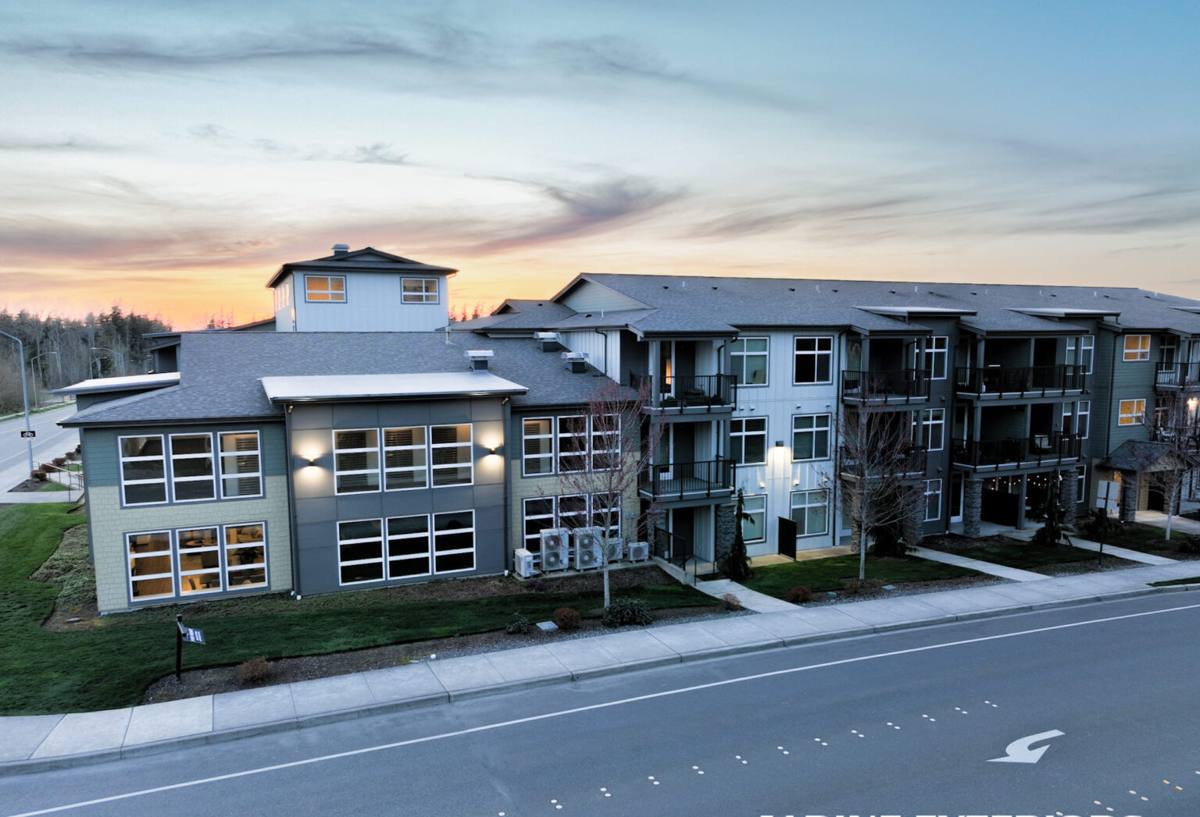
What Local Weather Does to a Sumas Roof
Roof damage here rarely starts with a single event. It builds.
Moss and Organic Growth
Whatcom County's long wet season gives moss and algae months of standing moisture to work with. On shake and composition roofs alike, moss doesn't just sit on the surface — it lifts shingle edges, holds water against the roof deck, and works its way under flashing over time. Left alone through a few seasons, what starts as a cosmetic issue becomes a moisture problem underneath.
Driving Rain and Wind-Driven Water
Rain that comes in sideways during a windstorm doesn't behave like rain falling straight down. It gets pushed up under shingle laps, around vent boots, and into any gap in flashing that would otherwise shed water fine in calmer conditions. Roofs with marginal flashing details can look completely fine for years until the right storm finds the weak point.
Freeze-Thaw and Temperature Swings
Sumas sees colder snaps than the immediate coastline, and the freeze-thaw cycle is hard on anything already compromised — a cracked shingle, a nail that's backed out, sealant that's gone brittle. Water gets into a small gap, freezes, expands, and turns a small problem into a bigger one.
Signs a Sumas Roof Needs Repair
Most roof repair calls we get start with one of these:
- A stain on a ceiling or ceiling line that appears after heavy rain
- Shingles that are curling, cracking, or visibly missing granules
- Heavy moss buildup, especially on north-facing or shaded slopes
- Flashing around chimneys, skylights, or vent pipes that looks lifted, rusted, or gapped
- Sagging in a section of roofline, which usually points to deck-level moisture damage
- Granules collecting in gutters, a sign shingles are wearing thin
- Daylight visible through the roof deck from inside the attic
Any one of these on its own might be a small fix. Several at once, or damage that's been sitting for a season or more, changes the conversation — which is why an honest inspection matters more than a quick guess from the ground.
What a Correct Roof Repair Actually Involves
A repair that actually solves the problem starts with finding the real source of the leak or damage, not just patching where the water happened to show up inside. Water travels along roof decking and framing before it drips through a ceiling, so the stain on your drywall is often several feet from the actual failure point on the roof.
Our approach on a repair call:
- Inspect the roof surface, flashing points, and attic (where accessible) to trace the actual entry point
- Check the condition of the roof deck itself — soft or delaminated decking changes the scope of the repair
- Identify whether the surrounding shingles or materials are sound enough to tie into, or if the damaged area needs to be extended
- Replace or reflash the failed section using materials appropriate to the surrounding roof
- Confirm proper water-shedding — laps, fastening, and sealant placement — before calling it finished
A repair that skips steps 1 through 3 and jumps straight to slapping new shingles over a soft deck isn't a repair. It's a delay, and it usually costs more when it fails again.
Common Roof Repairs We Handle in Sumas
Flashing Repair and Replacement
Chimneys, skylights, and roof-to-wall transitions are the most common leak points on any roof, including ones that are otherwise in decent shape. Flashing failure is often a metal or sealant issue, not a shingle issue — which means it's frequently a smaller, targeted repair rather than a full roof job.
Storm and Wind Damage
Wind can lift or tear individual shingles or a whole section along a ridge or edge without touching the rest of the roof. These repairs are usually straightforward once we've confirmed the deck underneath wasn't compromised by exposure before the repair happened.
Moss and Debris Remediation
Heavy moss needs to be removed carefully — scraping or pressure washing the wrong way can do more damage to shingles than the moss itself. We remove growth, treat the roof to slow regrowth, and repair any shingles that were already compromised underneath.
Leak Diagnosis and Deck Repair
When a leak has been active for a while, the plywood or plank decking underneath may have softened. That section gets cut out and replaced before any new roofing material goes down — covering soft decking with new shingles just hides the problem.
Repair or Replacement? Factors That Actually Decide It
Homeowners are sometimes told they need a full replacement when a repair would have solved the problem, and sometimes the opposite — a repair is proposed on a roof that's genuinely at the end of its service life. Here's what actually drives that decision:
| Factor | Leans Toward Repair | Leans Toward Replacement |
|---|---|---|
| Age of roof | Under 15-20 years, within expected lifespan for the material | At or past the material's typical service life |
| Extent of damage | Isolated to one section, flashing point, or slope | Widespread across multiple slopes or repeat leak locations |
| Roof deck condition | Solid, no soft spots beyond the immediate repair area | Multiple areas of soft or delaminated decking |
| Shingle condition overall | Surrounding shingles still flexible, granules intact | Widespread curling, cracking, or granule loss |
| Repair history | First real issue or isolated storm damage | Recurring leaks in different spots year after year |
Cost for a targeted repair — a section of flashing, a handful of shingles, a small deck patch — typically runs from a few hundred dollars into the low thousands, depending on access, the extent of hidden damage once we're up there, and materials. We won't know exactly what your roof needs until we're on it, but we'll give you that number before any work starts, not after.
Our Process, Start to Finish
We keep the repair process straightforward:
- Inspection. We look at the roof and, where possible, the attic, to find the actual cause — not just the visible symptom.
- Written estimate. You get a clear explanation of what's wrong, what we recommend, and what it costs before we do anything.
- Scheduling around the weather. Roof repair work needs a dry window, and we plan around Whatcom County's forecast rather than rushing a repair into wet conditions where it won't seal properly.
- The repair itself. We fix what's actually broken, matching materials to the existing roof where reasonable.
- Walkthrough. We show you what was found and what was done, including anything you should keep an eye on going forward.
Why a Crew That Already Works Sumas Matters
Roof repair is diagnostic work before it's construction work. A crew that's spent time on roofs throughout Whatcom County — not just Sumas, but the coastal moisture patterns from Birch Bay inland — has already seen how moss behaves on a north-facing slope after a wet winter, how flashing tends to fail around older chimney designs common in this area, and where wind-driven rain typically finds its way in on roofs facing our prevailing weather. That background means less guesswork and fewer repairs that treat the symptom instead of the cause.
It also means we're not a stranger to the area if a repair needs a follow-up look after the next storm season. We'd rather build a relationship with Sumas homeowners over years than treat a repair as a one-time transaction.
Between-Repair Roof Maintenance Checklist
Small, regular attention keeps repairs small. Consider this a baseline for Sumas homeowners:
- Clear gutters and downspouts at least twice a year — clogged gutters back water up under the roof edge
- Check for moss buildup each fall before the wet season sets in fully
- Trim back overhanging branches that keep sections of roof shaded and slow to dry
- Look at flashing around chimneys and vents from the ground with binoculars after major windstorms
- Check the attic occasionally for damp insulation, staining, or daylight through the deck
- Address small issues — a lifted shingle, a gap in sealant — before the next wet season, not after
None of this requires getting on the roof yourself. Most of it is a five-minute look that catches problems while they're still cheap to fix.
Get an Honest Look at Your Roof
If you're dealing with a stain on the ceiling, visible moss, or you just haven't had your roof looked at in a while, it's worth a call before the next Whatcom County storm system rolls through. We'll give you a straightforward, no-pressure estimate on what your Sumas roof actually needs — whether that's a small repair or something more. Fill out the form below and we'll get back to you.