 Birch Bay
 Marietta's Siding Problem Isn't Like Inland Whatcom County
Marietta sits close enough to the water that homes here take a different kind of beating than a house ten miles inland. Salt-laden air off the bay, wind-driven rain that hits siding sideways instead of straight down, and a moss and algae season that can run eight or nine months out of the year all combine to shorten the life of siding that would hold up fine somewhere drier. If you've owned a home in this stretch of Whatcom County for more than a few years, you've probably already noticed it: paint that fails faster on the water-facing wall, green streaking that comes back within a season of cleaning, or trim that's gone soft at the corners while the rest of the house still looks fine.
Siding replacement in Marietta isn't just about swapping old material for new. It's about choosing a product and an installation approach that actually accounts for what this specific location does to a house over time. That's the lens we bring to every estimate here.
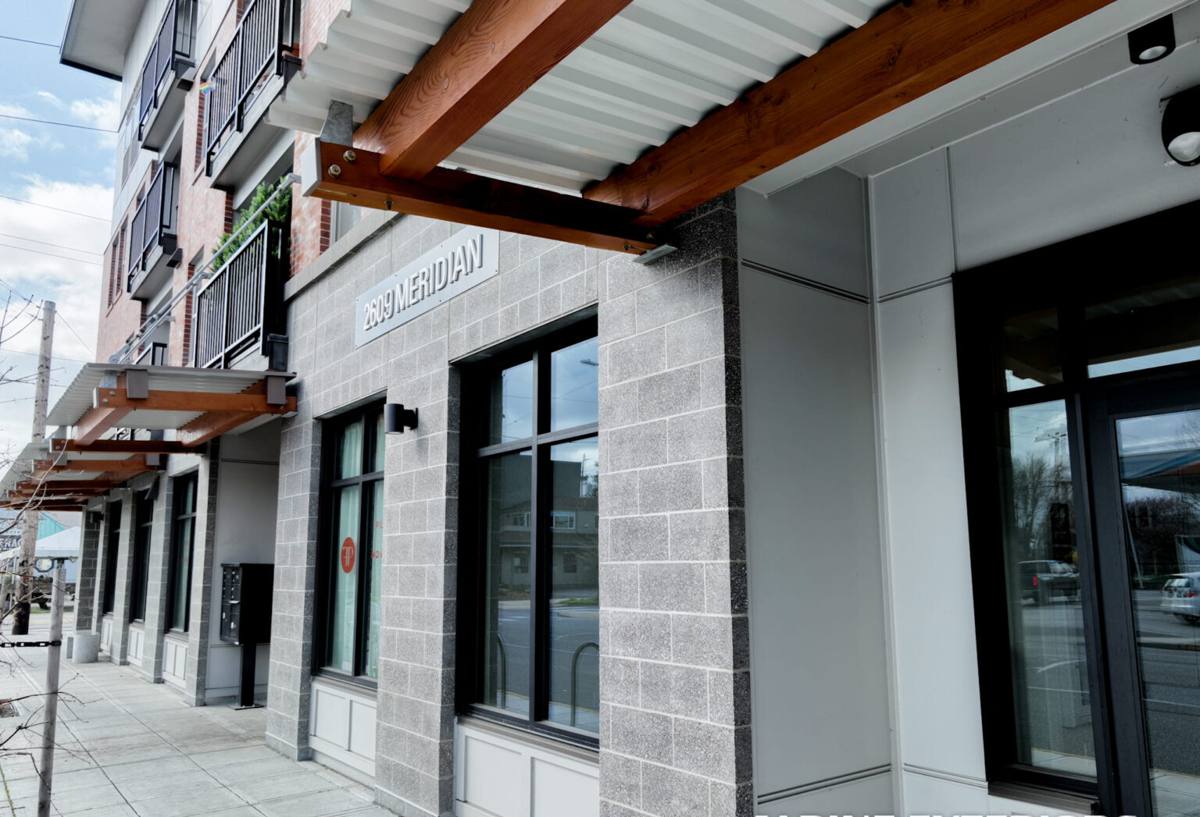
What Salt Air, Driving Rain, and Moss Actually Do to Siding
Salt Air
Airborne salt doesn't just sit on the surface — it works into seams, fastener heads, and any place where paint film is thin or cracked. On wood-based products it accelerates rot at the exact points where water already wants to get in. On lower-grade composite sidings it can degrade the surface coating faster than the manufacturer's warranty accounts for. Over years, homes closer to the water simply need more frequent maintenance and repainting than homes set back from it, unless the siding material itself is built to resist that exposure.
Driving Rain
Storms coming off the water push rain horizontally into walls instead of letting it run down and off. That means water finds its way behind poorly lapped siding, undersized flashing, or caulk joints that were never meant to be a primary water barrier. Once moisture gets behind the cladding, it doesn't dry out quickly in this climate — and that's when sheathing rot and hidden mold start, often long before anything looks wrong from the street.
Moss and Algae Season
Whatcom County's damp, mild, mostly-overcast stretch from fall through spring is exactly what moss and algae need to establish and spread. On north-facing and shaded walls — common on many Marietta lots — growth can take hold on siding within a couple of seasons and keep coming back after cleaning if the surface and paint film aren't holding up their end. Constant moss growth also traps moisture against the siding surface, which compounds the rain and salt exposure problem instead of just being a cosmetic issue.
What a Correct Siding Replacement Actually Involves
A siding job done right in this environment isn't just fastening new boards to the wall. The sequence matters as much as the material:
- Full tear-off and inspection. Old siding comes off so the sheathing and framing underneath can actually be looked at, not guessed at. This is where hidden rot from years of driving rain gets found.
- Sheathing repair. Any soft or water-damaged sheathing gets replaced before anything new goes up — covering damaged wood with new siding just hides a problem that keeps growing.
- Weather-resistive barrier. A proper house wrap or building paper, correctly lapped from the bottom up, is the actual first line of defense against wind-driven rain — the siding itself is the second line.
- Flashing at every penetration. Windows, doors, hose bibs, vents, and roof-to-wall transitions all need flashing detailed to shed water outward, not funnel it behind the wall.
- Correct fastening and spacing. Manufacturer-specified nailing patterns and board gaps allow for expansion and keep water from wicking into cut edges.
- Sealed and primed cut edges. Any field-cut end of a fiber cement board needs to be sealed before installation — an exposed cut edge is one of the most common places moisture gets in.
- Final caulk and paint touch-up. Factory-finished siding still needs field-applied caulking at joints and touch-up paint on cut edges, done with matched, manufacturer-approved products.
Skip or rush any one of these steps and the siding may look fine for a year or two before problems specific to this climate start showing up.
Why We Install Only James Hardie Fiber Cement
We standardized on James Hardie fiber cement siding for every home we work on, including here in Marietta, and we don't install vinyl, LP SmartSide, primed wood, cedar, or other fiber cement brands. That's a deliberate professional standard, not a sales pitch.
Fiber cement is non-combustible and dimensionally stable, so it doesn't expand, contract, or warp the way wood-based products can when they cycle through wet and dry seasons. James Hardie's ColorPlus factory finish is baked on under controlled conditions rather than field-applied, which gives it better resistance to fading and moisture intrusion than a job-site paint job — a real advantage in an area with this much sun-to-rain cycling. Hardie also engineers specific product lines (their HZ5 line, for example) for wetter, harsher climates like the Pacific Northwest, and backs the material with a strong transferable warranty. When we're standing behind a siding job on a house that faces salt air and driving rain year after year, we want a product engineered for exactly that, with a manufacturer that's staked its reputation on it.
Our Process, From First Call to Final Walkthrough
| Step | What Happens |
|---|---|
| Free estimate visit | We walk the exterior, check current siding condition, look for signs of moisture damage, and take measurements. |
| Written proposal | Scope, material, and pricing in writing — no vague allowances or surprise change orders for work we can see up front. |
| Scheduling | We work around Whatcom County's wetter months where possible and sequence the job to minimize how long walls sit uncovered. |
| Tear-off and inspection | Old siding removed, sheathing inspected, any rot or damage documented and priced before covering it up. |
| Weather barrier and flashing | House wrap and flashing installed and lapped correctly at every window, door, and penetration. |
| Hardie installation | Siding installed to manufacturer spec — fastening, spacing, and cut-edge sealing done to hold up to local conditions. |
| Final walkthrough | We go over the finished job with you before calling it done, not just drop a final invoice. |
Cost Factors for Siding Replacement in Marietta
Every home is different, so we don't publish flat per-square-foot pricing — but these are the factors that actually move the number on a Marietta job:
| Factor | Why It Matters Here |
|---|---|
| Amount of hidden rot found at tear-off | Homes exposed to driving rain for years often need more sheathing repair than expected |
| Wall exposure to wind and water-facing sides | Water-facing walls may need extra flashing detail or trim work |
| Home size and number of stories | More surface area and access complexity increase labor time |
| Trim, corner, and soffit condition | Salt air and moss often damage trim before the field siding fails |
| Siding profile and color selection | Board width, texture, and ColorPlus finish choice affect material cost |
| Site access | Tight lots, fencing, or landscaping near the house can add setup time |
We give you the real number after seeing the house, not a guess over the phone — too many of these factors depend on what's actually behind the old siding.
Signs Your Marietta Home May Need Siding Replacement Now
- Paint that's peeling, bubbling, or failing faster on one side of the house than the others
- Soft spots when you press on siding or trim, especially near the bottom of walls or around windows
- Moss or algae that returns quickly after cleaning, particularly on shaded or north-facing walls
- Visible warping, cupping, or gaps between siding boards
- Musty smell or discoloration on interior walls that share an exterior wall
- Siding that's more than 20-25 years old, regardless of visible condition
- Caulk that's cracked, shrunk, or pulling away from joints and trim
Any one of these on its own might just mean a repair. Several together, especially on a home that's taken years of salt air and driving rain, usually means it's time to talk about full replacement before the damage spreads to the framing underneath.
Why Hiring a Crew That Already Works Marietta Matters
Siding contractors who mostly work inland or in drier parts of the state don't always account for what a water-adjacent property in Whatcom County actually needs — the flashing details, the moisture management, the product choice. A crew that regularly works Birch Bay and the surrounding coastal communities has already seen what happens when those details get skipped, and builds the job around avoiding it from the start. That local familiarity shows up in things a homeowner might not think to ask about: how flashing gets detailed around window trim exposed to driving rain, which walls typically need extra attention for moss and algae, and how to sequence a tear-off so framing isn't left exposed to the weather any longer than necessary.
It also means faster response if something needs a look after the job is done — no waiting on a crew that has to drive in from out of the area.
Ready to Talk About Your Marietta Home?
If your siding is showing its age or you're just trying to get ahead of the next storm season, we're happy to come take a look. We'll give you an honest read on what your home actually needs, walk you through the James Hardie options that make sense for a coastal Whatcom County property, and give you a straightforward estimate — no pressure, no hard sell. Fill out the form below to schedule a free, no-obligation estimate.