 Birch Bay
 Building New in Semiahmoo: Why the Window Install Matters as Much as the Window
If you're framing a new home or a major addition in Semiahmoo, the window you pick is only half the equation. New-construction windows install directly into open framing, with a nail fin (or flange) that gets integrated into the wall's water-resistive barrier before siding ever goes on. That means the install itself becomes part of your home's structural weather envelope — get it wrong and you won't see the problem for a few years, when it shows up as rot in the sheathing or stains creeping down an interior wall. Get it right, and the window becomes one of the most weather-resistant parts of the whole house.
We install new-construction windows for builders and homeowners across Birch Bay and the surrounding Whatcom County coastline, including Semiahmoo. That coastal stretch has its own installation demands, and a crew that treats every job like an inland retrofit is going to miss details that matter here.
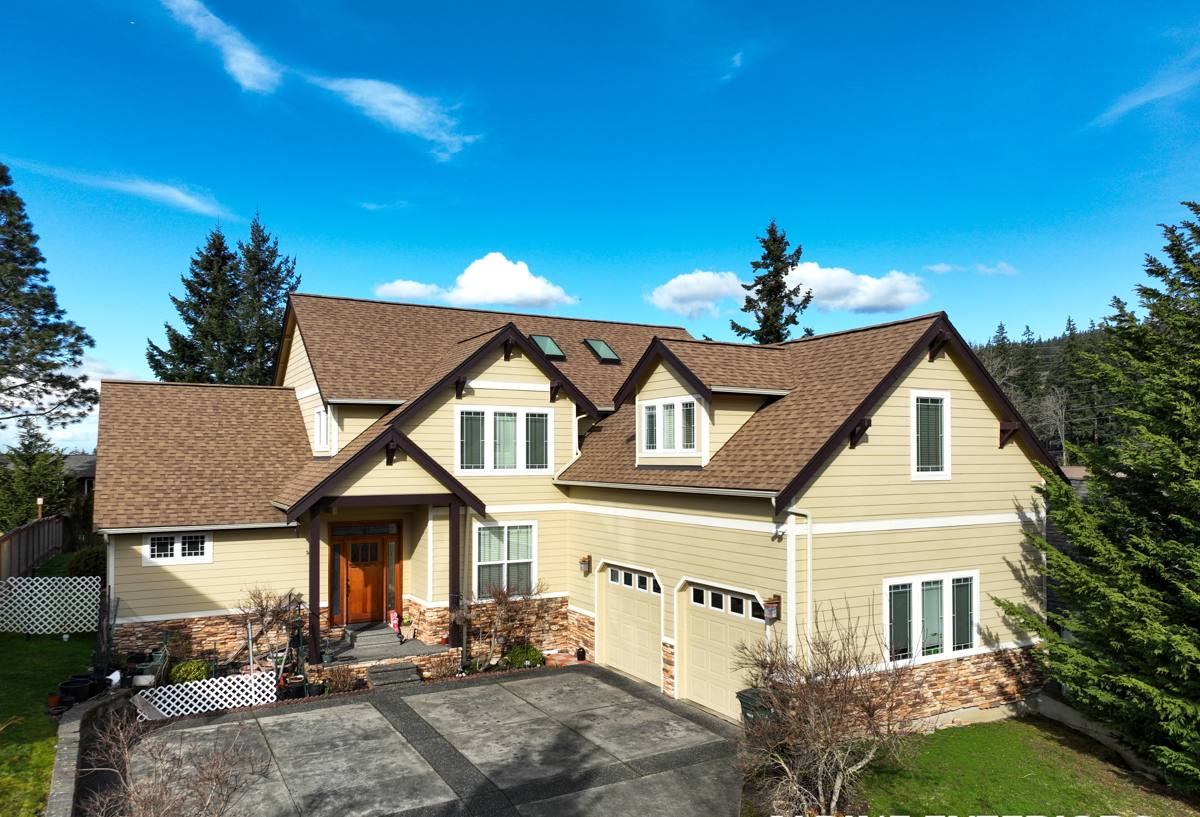
The Local Climate Factors We Build Around
Semiahmoo sits close to the water, which means three things shape almost every decision we make on a new-construction window job: salt air, driving wind-driven rain, and a long, damp moss season that runs most of the fall through spring.
Salt Air
Airborne salt accelerates corrosion on fasteners, hardware, and some metal flashing products faster than it would a few miles inland. We pay attention to fastener and flashing material compatibility so you're not fighting galvanic corrosion or pitted hardware a decade in.
Driving Rain
Wind off the water doesn't just drop rain straight down — it pushes it sideways into wall assemblies, which is exactly the condition that exposes a sloppy flashing job. Sill pan flashing and proper head flashing lap order aren't optional details here; they're the difference between a window that sheds water and one that stores it in your wall.
Moss and Persistent Moisture
A long, wet, low-sun season means anything that traps moisture against wood — a missed weep path, a caulked-shut drainage gap, moss buildup on a sill — gets more time each year to do damage than it would in a drier climate. Correct drainage detailing at the window opening matters more here than in most parts of the state.
New-Construction Windows vs. Replacement Windows — What's Different
These two installation methods solve different problems, and mixing them up on a new build is one of the more common mistakes we see corrected later at real cost.
| Factor | New-Construction Window | Replacement (Pocket) Window |
|---|---|---|
| Installation method | Nail fin fastens to open framing, fully integrated with WRB and flashing | Inserts into the existing frame; relies on the old frame's condition |
| Water management | Full sill pan and flashing sequence built into the wall assembly | Limited access to sill and framing; depends on existing flashing |
| Best used for | New builds, additions, full wall-to-stud remodels | Existing homes with sound framing and trim you want to keep |
| Long-term risk if done wrong | Water intrusion into open wall cavity, hidden until siding/sheathing damage shows | Water intrusion generally limited to the existing frame area |
| Exterior appearance | Trim and casing built fresh to match the new build | Often keeps existing trim lines and reveal |
On a new build in Semiahmoo, new-construction windows are almost always the right call, and doing that installation correctly the first time is far cheaper than opening the wall back up later.
What a Correct New-Construction Window Install Actually Involves
Flashing and Water Management
Before the window ever goes in, the rough opening gets a sill pan — a shaped, sloped flashing detail that gives any water that gets past the window a way back out instead of a place to sit. Side flashing and head flashing go on in the correct shingle-lap order (bottom to top, each layer lapping over the one below) so water is always directed outward and down, never trapped behind the next course.
WRB Integration
The window's nail fin has to tie into your home's water-resistive barrier (house wrap or equivalent) with the right lap sequence and compatible tape or flashing membrane. This is where driving rain gets stopped before it ever reaches the sheathing, and it's also the step that's invisible once siding goes on — which is exactly why it needs to be done right the first time, not caught later.
Fastening and Structural Fit
The window needs to sit square, plumb, and level in the rough opening, shimmed correctly so the frame isn't racked or bowed once fastened. A window that's slightly out of square will bind, won't seal fully, and puts uneven stress on the frame and hardware over time.
Sealant and Hardware Compatibility
Given the salt air here, we're deliberate about fastener and sealant compatibility with the window and flashing materials involved — mismatched metals or the wrong sealant chemistry can cause premature corrosion or seal failure well before it should.
Our Process for Semiahmoo Builds
Working With Your Builder or GC
On new construction, window installation has to land at the right point in the framing schedule — after rough framing and WRB are ready, before siding starts. We coordinate directly with your general contractor or builder so window install doesn't become the bottleneck holding up siding, trim, or interior work.
Site-Specific Assessment
Before installation, we look at the specific exposure of each elevation — which walls take the brunt of wind-driven rain off the water, which are more sheltered — and adjust flashing detail and sealant application accordingly. Not every wall on a Semiahmoo home faces the same conditions.
Documentation and Warranty Support
We install to the window manufacturer's specified method, which matters for keeping your product warranty intact. Manufacturers can and do deny warranty claims tied to installation error, so following their documented flashing and fastening sequence isn't just good practice — it protects the coverage you're paying for.
Window Material and Glass Considerations for This Microclimate
We don't push one brand or material as the universal answer — the right choice depends on your home's design, budget, and how much maintenance you want to take on. What we do flag honestly for coastal Whatcom County builds:
- Frame materials should hold up to sustained moisture exposure and periodic salt air without excessive maintenance — this is a bigger factor here than it would be for an inland build.
- Hardware and fastener finishes matter more near the water; cheaper or mismatched metal hardware can corrode faster than the window itself.
- Double- or triple-pane glass with a good seal helps manage the condensation swings that come with our damp shoulder seasons, not just heating cost.
- Darker exterior frame finishes absorb more heat and can stress seals over time — worth weighing against your design preferences, not a dealbreaker either way.
We'll walk through the realistic trade-offs — upfront cost, expected maintenance, and how each option holds up to what this specific site sees — rather than steering you toward whatever's easiest for us to install.
Why a Crew That Already Works Semiahmoo Makes a Difference
New-construction window installation isn't exotic work, but doing it well in a coastal Whatcom County environment takes judgment calls that come from having actually worked this coastline — how much lap to give a head flashing on a wall that catches wind straight off the water, which sealants hold up under sustained salt exposure, how moss and standing moisture behave on a west-facing sill through a Pacific Northwest winter. A crew that mostly works dry, inland builds can follow a manufacturer's install sheet and still miss the site-specific judgment that keeps water out here.
We're a Birch Bay-based crew that works this stretch of coastline regularly, on new builds and remodels alike, so the flashing sequence and material choices we bring to a Semiahmoo job are calibrated to what this location actually sees each year, not a generic install.
A Practical Checklist Before Your Windows Go In
- Rough openings are framed square, level, and to the correct dimensions for your specific window units
- WRB (house wrap) is installed and ready to integrate with window flashing before windows arrive
- Sill pan flashing material and method are confirmed and match the manufacturer's installation instructions
- Flashing tape and sealant are confirmed compatible with both the window material and your WRB
- Fastener type is confirmed appropriate for coastal salt-air exposure
- Installation schedule is coordinated with your builder so windows go in at the right framing stage, not rushed ahead of it
- Manufacturer warranty documentation is on file showing installation followed their specified method
Get a Straight Answer for Your Build
If you're framing a new home or addition in Semiahmoo and want window installation done right the first time, we're happy to walk your site, talk through material options honestly, and coordinate with your builder's schedule. Reach out for a free, no-pressure estimate using the form below — there's no cost or obligation to have us take a look.