 Birch Bay
 Why Lummi Island Homes Need a Different Approach to Windows
Lummi Island sits right in the path of everything Puget Sound weather can throw at a house: salt-laden air off the water, wind-driven rain that hits window frames sideways instead of straight down, and a wet season that stretches long enough to grow moss on anything that holds moisture. Add in the ferry-only access that makes emergency repairs slower and more expensive to arrange, and you have a set of conditions that punishes cheap or poorly installed windows faster than almost anywhere else in Whatcom County.
Energy-efficient windows are marketed everywhere, but "energy-efficient" on a spec sheet and "energy-efficient in a Lummi Island living room" are two different things. A window that performs well in a lab test can still fail on this island if the frame material corrodes in salt air, the flashing details don't account for wind-driven rain, or the installer doesn't understand how the home's exposure to the water changes the pressure and moisture dynamics at every opening.
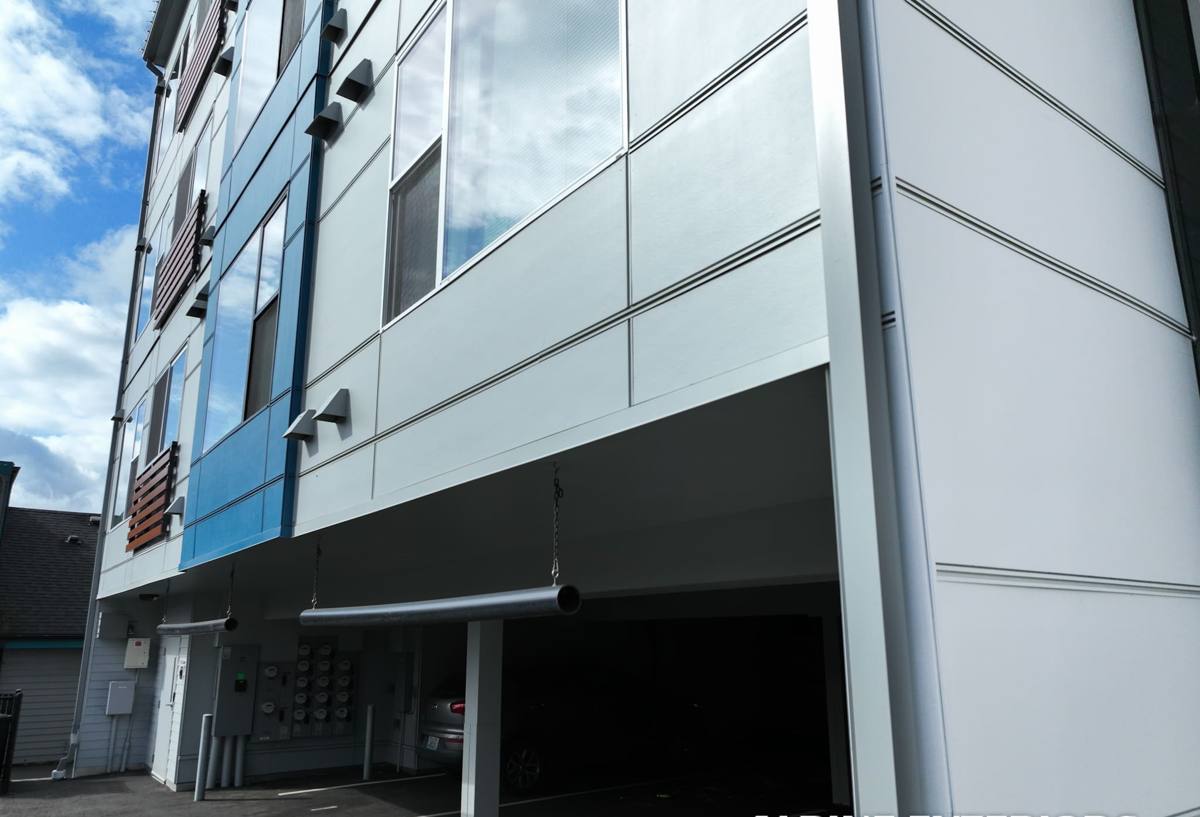
What Lummi Island's Climate Actually Does to Windows
Salt Air and Corrosion
Homes closer to the shoreline take on airborne salt that settles on hardware, frames, and seals. Over years, that salt accelerates corrosion on cheaper aluminum components, pits certain metal finishes, and breaks down weatherstripping faster than it would inland. This doesn't mean every window needs marine-grade hardware, but it does mean material choice and hardware quality matter more here than in a typical mainland Bellingham neighborhood.
Driving Rain and Wind Pressure
Wind off the water doesn't just bring rain — it drives it sideways and creates pressure differences across a wall that push water into gaps a calm-weather install would never expose. Flashing, sill pans, and sealant details that would be adequate in a sheltered inland lot can leak on a exposed Lummi Island elevation. This is one of the most common reasons homeowners see water staining or soft trim around windows that are otherwise "new."
Moss and Prolonged Moisture
Whatcom County's long wet season keeps north-facing and shaded window surfaces damp for weeks at a time. Moss and algae take hold on frames, sills, and the siding around windows, and where drainage paths are blocked, that moisture works its way into wood trim and sheathing. Good window installation includes drainage planning specifically so moisture has somewhere to go — moss on the surface is a cosmetic nuisance, but trapped moisture behind the frame is a structural one.
What "Correct" Window Installation Looks Like Here
A proper energy-efficient window job on Lummi Island isn't just swapping an old sash for a new one. It's a sequence of steps that each address a specific failure mode common to this exposure:
- Removing old windows without damaging surrounding framing, and inspecting that framing for hidden rot before anything new goes in
- Installing or repairing sill pans and flashing so any water that gets past the exterior seal drains back out, not into the wall cavity
- Using sealants and flashing tapes rated for the temperature swings and moisture exposure of a marine climate, not generic interior-grade products
- Selecting frame materials and finishes that resist salt-air corrosion at this specific site's exposure level
- Air-sealing the full perimeter with backer rod and appropriate sealant, not just foam-in-a-can around the edges
- Setting the window plumb, level, and square so weatherstripping compresses evenly and doesn't wear unevenly over time
- Confirming proper shimming so wind load doesn't rack the frame over years of exposure
Skipping or rushing any one of these steps is usually invisible on installation day and becomes obvious two or three winters later, when water intrusion or seal failure shows up.
Comparing Window Options for a Shoreline-Exposed Home
| Frame Material | Salt-Air Performance | Maintenance | Typical Trade-Off |
|---|---|---|---|
| Vinyl | Good — doesn't corrode | Low | Limited color/finish options; can expand/contract with temperature swings |
| Fiberglass | Very good — stable and corrosion-resistant | Low | Higher upfront cost than vinyl |
| Aluminum-clad wood | Depends heavily on clad quality and detailing | Moderate | Handsome interior wood look, but cladding seams need careful installation near salt air |
| Bare wood | Poor without diligent upkeep | High | Best interior aesthetics; requires regular repainting/sealing in this climate |
We don't push one material as universally "best" — the right choice depends on the home's exposure, budget, and how much upkeep an owner wants to take on. What we won't do is install a product in a spot where its known weaknesses (like bare wood on a west-facing wall that takes direct salt spray) will cause predictable problems within a few years. That's a maintenance-burden conversation we have honestly, upfront, before any contract is signed.
Energy Efficiency: What Actually Matters in This Climate
For Lummi Island, energy efficiency is less about extreme heat resistance and more about controlling drafts, condensation, and heat loss during the long, damp, cool season. A few specs matter more here than others:
- U-factor — measures heat loss; lower is better for our heating-dominated climate
- Air leakage rating — directly tied to draft control, which matters a lot given how much wind this location gets
- Condensation resistance — relevant because of the humidity and temperature swings between indoor heat and cold, wet exterior air
Solar heat gain coefficient (SHGC) matters less here than it would in a sunnier, hotter climate, though orientation still plays a role on south-facing rooms. We help homeowners weigh these numbers against their actual home orientation rather than just chasing the highest-rated window on paper.
Our Process for a Lummi Island Window Project
1. On-Site Assessment
We look at each window's exposure individually — a window on the water side of a home faces different conditions than one tucked on a sheltered wall. We also check existing flashing, sill condition, and any signs of past water intrusion.
2. Material and Product Recommendation
Based on that assessment, we recommend frame materials and glazing packages suited to each elevation's actual exposure, not a one-size-fits-all package for the whole house.
3. Careful Removal and Inspection
Old windows come out carefully so we can inspect the framing underneath. Any rot or moisture damage gets addressed before a new window goes in — installing a new window over a compromised opening just hides the problem temporarily.
4. Correct Flashing and Air-Sealing
This is where most of the long-term performance is won or lost. We install sill pans, flashing, and sealants rated for marine exposure and driving rain, and we air-seal the full perimeter properly.
5. Final Check and Cleanup
Every window gets checked for square, level, smooth operation, and even weatherstripping contact before we consider the job done.
Why Local Experience on Lummi Island Matters
Ferry-dependent access changes the practical realities of a project. Scheduling has to account for ferry timing, material deliveries need more lead time, and if something needs a follow-up visit, it's not a quick trip back across town. A crew that already works this island plans around those realities from the start, instead of learning them mid-project through delays.
There's also a knowledge factor that only comes from repeated work in the same conditions. Understanding which elevations on this island take the worst of the wind and salt, which older homes tend to have hidden moisture issues around original window openings, and which products hold up versus which ones look fine on a spec sheet but underperform here — that comes from doing this work locally, not from a general contractor passing through from the mainland.
Signs Your Current Windows Are Losing the Battle
A quick self-check for Lummi Island homeowners wondering whether it's time to look at replacement or repair:
- Visible moss, algae, or persistent green staining on frames or sills
- Drafts you can feel near the frame even when the window is fully closed
- Condensation forming between panes (a sign the seal has failed on a double- or triple-pane unit)
- Soft or discolored trim/wood around the window opening
- Difficulty opening, closing, or locking due to frame warping or swelling
- Noticeably higher heating bills compared to similar homes nearby
Any one of these on its own might just mean routine maintenance. Several together, especially combined with visible water staining, usually mean it's worth a proper look before the underlying framing gets worse.
Get a Straight Answer for Your Home
Every home on Lummi Island faces the water a little differently, and that difference matters more for windows than most homeowners expect. If you're weighing repair versus replacement, or just want an honest read on how your current windows are holding up against the salt air and driving rain, we're happy to take a look. Reach out for a free, no-pressure estimate using the form below.