 Birch Bay
 Windows in Birch Bay Village Work Harder Than Most
Birch Bay Village sits close enough to the water that its homes take a different kind of weathering than houses ten miles inland. Salt-laden air, wind-driven rain off the Strait, and a long stretch of gray, damp months every year all put steady pressure on window frames, seals, and the wall assembly around them. A window that would hold up fine in a drier part of Whatcom County can fail early here if it wasn't built, or installed, with that exposure in mind.
This page is about one job, done right, in one place: replacing windows on homes in Birch Bay Village. Not a general overview of window brands, not a sales pitch — a plain explanation of what this climate does to windows, what a correct replacement actually involves, and how we approach the work.
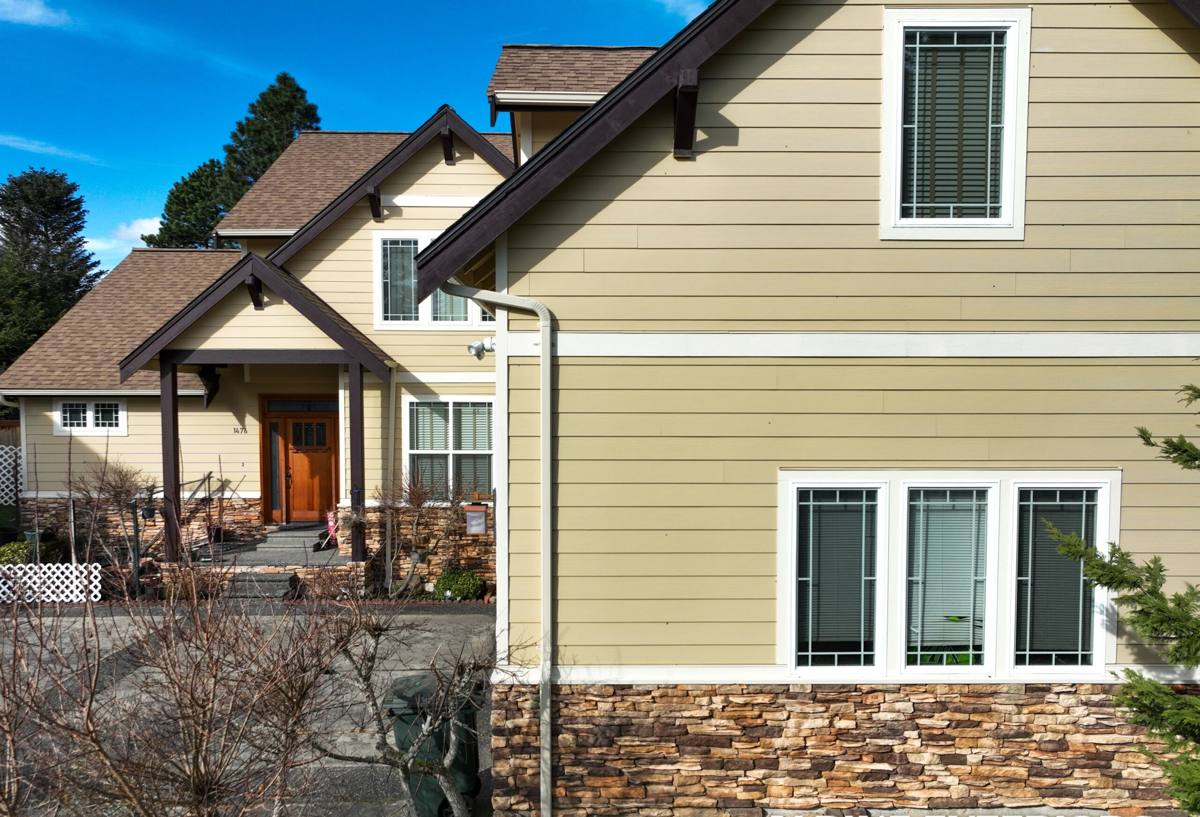
What Salt Air, Driving Rain, and Moss Season Actually Do to Windows
Salt Air and Metal Hardware
Airborne salt accelerates corrosion on anything metal — window locks, hinges, screen frames, and especially aluminum components. Over years, this shows up as stiff or failing hardware, pitted finishes, and in some cases frames that no longer seal tightly because the moving parts have corroded out of true.
Driving Rain and Wind Pressure
Storms coming off the water don't just drop rain straight down — wind pushes it sideways, right into the vertical face of a window. That means the seal between the window unit and the wall, not just the glass itself, is doing a lot of the work. A window that's watertight in a still, dry test can still leak in a real Birch Bay storm if the flashing and sealant details around it were rushed.
Moss and Prolonged Dampness
Whatcom County's long wet season keeps north-facing and shaded window sills damp for weeks at a time. That dampness is exactly what moss and mildew need to take hold on sills, trim, and caulk lines. Beyond the cosmetic issue, sustained moisture against wood trim or a compromised seal is one of the more common paths to hidden rot behind a window opening.
Signs a Birch Bay Village Home Is Ready for Window Replacement
Most window problems here don't show up as a dramatic failure — they show up gradually, and homeowners often live with them for a season or two before calling anyone. Worth checking for:
- Fogging or a hazy film between the panes (a sign the seal on a double- or triple-pane unit has failed and the gas fill is gone)
- Soft or discolored wood trim around the window, especially on the sill or bottom corners
- Drafts you can feel by hand along the frame edge on a windy day
- Windows that are hard to open, close, or lock — often a sign the frame has swelled, warped, or the hardware has corroded
- Visible moss, black staining, or paint failure concentrated around the window opening rather than the wall generally
- Noticeably higher heating bills in a home that hasn't changed its usage habits
- Condensation forming on the inside of the glass regularly during cold snaps
Any one of these on its own might not mean full replacement. Several together, especially on the weather-facing side of the house, usually does.
Choosing a Frame Material for This Climate
There's no single "best" window material for every home — it depends on exposure, budget, and how the house is built. For Birch Bay Village specifically, corrosion resistance and low maintenance carry more weight than they would inland.
| Frame Material | Coastal Performance | Maintenance | Typical Fit |
|---|---|---|---|
| Vinyl | Won't corrode or rot; handles salt air well | Low — no painting, occasional cleaning | Most homes; strong value for the exposure |
| Fiberglass | Very stable in temperature swings and moisture; excellent durability | Low | Homes wanting a longer-term investment with minimal upkeep |
| Wood-clad | Good if the exterior cladding is intact; wood core is vulnerable if seals fail | Higher — cladding and interior wood need monitoring | Homes prioritizing a traditional interior wood look |
| Aluminum | Prone to corrosion and thermal transfer in salt air unless well-finished | Moderate to high | Limited use; we're selective about where we recommend it here |
We steer most Birch Bay Village homeowners toward vinyl or fiberglass, not because other materials can't work, but because they need less ongoing attention to hold up against salt exposure and wind-driven rain over the long run. If a home's architecture calls for a wood-look interior, clad options can still work — we'll just be direct about the maintenance that comes with it.
Glass Packages That Make Sense Here
Glass selection matters as much as frame material in a marine climate — both for comfort and for controlling condensation.
- Double-pane, low-E glass is the practical baseline for most homes — it manages heat loss and reduces condensation risk compared to older single-pane windows.
- Triple-pane adds another layer of insulation and sound dampening, which some homeowners value given how often storms roll through, though it comes at a higher cost and added weight.
- Argon or krypton gas fill between panes improves insulating performance and is standard on most quality replacement units today.
- Low-E coatings help control both heat loss in winter and glare/heat gain during the brighter summer months, without noticeably darkening the glass.
We size the glass package to the specific wall — a window facing the water or prevailing wind gets a different recommendation than one on a sheltered, south-facing wall.
Flashing and Sealing: Where Most Window Failures Actually Start
A quality window can still leak if it's installed poorly. In our experience, the majority of window-related water damage traces back to the installation details, not the window unit itself:
Proper Flashing Integration
The window's flashing needs to be integrated with the home's weather-resistive barrier in the correct shingle-lap sequence, so water is directed out and down, never trapped behind the siding. This is especially important on walls exposed to driving rain.
Sill Pan Protection
A sill pan under the window creates a dedicated drainage path for any water that does get past the exterior seal, instead of letting it sit against the rough framing. This is a small detail that's easy to skip and expensive to regret.
Sealant Selection and Placement
Not every gap should be sealed — some need to stay as drainage or ventilation paths. Sealing the wrong spots can actually trap moisture inside the wall assembly. This is a judgment call that depends on the specific window and wall system, not a one-size-fits-all rule.
Our Window Replacement Process
- On-site assessment. We look at each window's exposure, current condition, and the state of the surrounding trim and wall — not just the glass.
- Product recommendation. Frame material and glass package are matched to that specific wall's sun, wind, and rain exposure, not applied uniformly across the house.
- Removal and inspection. Once the old window is out, we check the framing and sheathing underneath for hidden moisture damage before anything new goes in.
- Flashing and sill pan installation. This step happens before the new window is set, following manufacturer sequencing so water management isn't compromised.
- Window installation and shimming. The unit is set level, plumb, and square, and shimmed correctly so it operates smoothly for years, not just on day one.
- Sealing, insulation, and trim. Gaps are insulated appropriately, sealant is placed only where it belongs, and exterior trim is finished to match the home.
- Final walkthrough. We check operation, look, and seal on every window before calling the job done.
What Drives Window Replacement Cost
| Factor | Why It Matters |
|---|---|
| Frame material | Vinyl is generally the most cost-effective; fiberglass and wood-clad run higher |
| Glass package | Triple-pane and specialty coatings add cost over standard double-pane low-E |
| Window size and style | Larger units, bays, and custom shapes cost more than standard double-hung or slider sizes |
| Condition behind the old window | Rotted framing or sheathing discovered during removal adds repair scope |
| Number of windows and access | Whole-house projects typically have a lower per-window cost than single replacements |
| Trim and exterior finish work | Matching existing trim profiles or siding can add labor depending on the home's exterior |
We give straightforward, itemized estimates so homeowners can see exactly what's driving the number, rather than a single lump figure.
Why It Matters That We Already Work in Birch Bay Village
A crew that's worked this specific area knows what to expect before the first window comes out — how exposed a given street or wall orientation typically is to wind off the water, what kind of moisture and moss buildup is normal to find around older sills here, and which flashing details actually hold up through a Whatcom County winter versus which ones look fine on installation day and fail two years later. That's not something you get from a generic install checklist; it comes from doing this work repeatedly in this exact climate.
It also means fewer surprises during the project. We're not guessing at how the local weather will treat a given product or installation approach — we've already seen how it performs on homes nearby.
Ready to Talk About Your Windows?
If your Birch Bay Village home has windows showing any of the wear signs above, or you're simply ready to stop fighting drafts and fogged glass, we're happy to take a look and walk you through honest options. Use the form below to request a free, no-pressure estimate — we'll assess your specific windows and exposure and give you a clear recommendation, not a sales script.