 Birch Bay
 Why Ferndale Windows Wear Out Faster Than You'd Expect
Ferndale sits close enough to the water that homes here take on a steady diet of salt-laden air, wind-driven rain, and long stretches of gray, damp weather every year. That combination is harder on window assemblies than most homeowners realize. Salt air accelerates corrosion on metal hardware, fasteners, and older aluminum frames. Driving rain — the kind that comes in sideways during a Whatcom County storm instead of falling straight down — finds every gap in a tired seal or a flashing detail that was never done right the first time. And the long moss season that follows our wet months keeps siding, trim, and window sills damp for weeks at a stretch, which is exactly the environment wood rot and hidden mold need to get established.
None of this means Ferndale homes need exotic solutions. It means window replacement here has to account for moisture management from the very first step, not as an afterthought. A window that would perform fine in a dry inland climate can fail within a few years on a Whatcom County property if it's installed without the right flashing sequence or sealed with the wrong products.
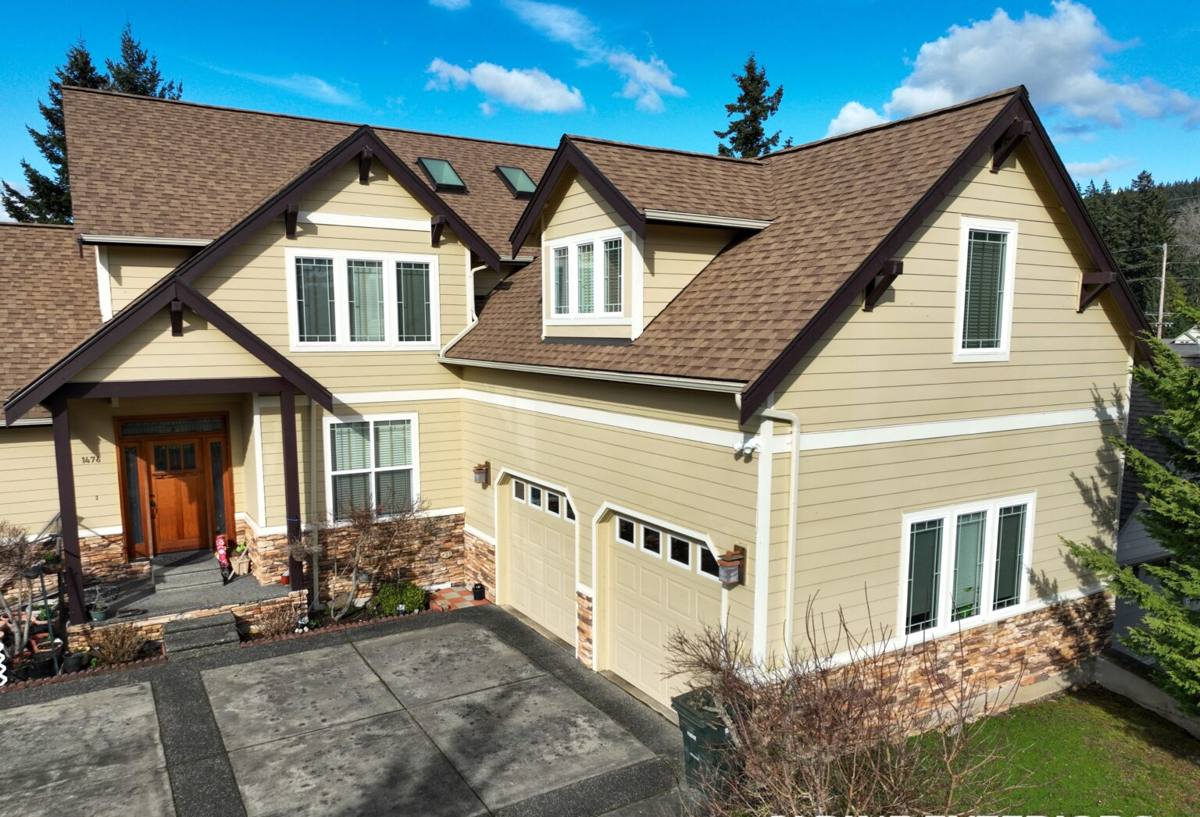
Signs It's Time to Replace, Not Repair
Not every problem window needs full replacement, but in a marine climate like ours, small issues tend to compound quickly. These are the signs we take seriously when we're evaluating a home in the Ferndale area:
- Fogging or moisture trapped between glass panes — the seal has failed and can't be restored
- Soft or discolored wood at the sill or bottom corners of the frame, a sign that water has been sitting there
- Windows that are noticeably harder to open, close, or lock than they used to be
- Visible daylight or a draft you can feel around the frame when it's windy
- Condensation forming on the inside of the glass regularly, even when the house isn't overly humid
- A musty smell near a window that doesn't go away with cleaning
- Paint or finish that's bubbling, peeling, or chalky around the frame and casing
If you're only seeing one of these on a single window, a repair or reseal might buy you time. If you're seeing several of these across multiple windows, especially on the sides of the house that catch the most wind and rain, replacement is usually the more honest recommendation — and the more cost-effective one over the next decade.
What a Correct Window Replacement Actually Involves
The window itself is only part of the job. Most window failures we see in this area trace back to how the opening was prepped and sealed, not a defect in the window. Here's what we consider non-negotiable steps.
Tear-Out and Opening Inspection
Once the old window is out, we inspect the rough opening before anything new goes in. This is the point where hidden water damage, soft framing, or missing flashing from the original construction shows up. Skipping this step and just dropping a new window into a compromised opening is how homeowners end up with the same problem again in a few years.
Flashing and Water Management
This is the step that matters most in a climate with as much driving rain as ours. Proper flashing directs any water that gets past the exterior finish back out of the wall, rather than letting it collect at the sill or work its way into the framing. We integrate flashing with the existing house wrap or weather-resistive barrier so water has a continuous path out, not a dead end behind the new window.
Setting, Shimming, and Insulating
A window has to be set level, plumb, and square, then shimmed so it's not relying on the frame to hold its shape. Gaps around the frame get filled with a proper insulating material — not packed too tight, which can bow the frame, and not left open, which invites drafts and moisture.
Sealing and Trim
Exterior sealant has to be rated for exposure and applied at the right joints — sealing everything isn't correct either, since some joints are designed to let trapped moisture escape. Interior and exterior trim gets reset or replaced so the finished look matches the rest of the home.
Choosing Materials That Hold Up to Marine Air
Material choice matters more here than in a drier, inland climate. Salt air and constant moisture exposure will find the weak point in any product over time. Here's how the common options compare for a Ferndale home.
| Material | Salt Air / Moisture Resistance | Maintenance | Typical Lifespan |
|---|---|---|---|
| Vinyl | Good — won't corrode or rot, seams are the main watch point | Low — occasional cleaning | 20-30+ years |
| Fiberglass | Very good — dimensionally stable, resists warping in temperature swings | Low | 30-40+ years |
| Wood (unclad) | Poor without diligent upkeep — most vulnerable to our wet season | High — regular refinishing needed | Highly variable |
| Wood-clad (vinyl or aluminum exterior) | Good on the exterior face; cladding seams need correct detailing | Moderate | 20-30 years |
| Aluminum | Fair — prone to corrosion pitting in salt air over time, poor insulator | Moderate | Variable, often shorter here |
We don't push one material on every home. A lot depends on your budget, the style of the house, and how exposed that particular wall is to wind and rain. What we won't do is install a product in an application where we know the moisture behavior or maintenance demands don't line up with what this climate requires — that's a warranty and a callback waiting to happen, and it's not fair to you.
Our Ferndale Window Replacement Process
We keep the process straightforward and predictable, from the first phone call to the final walkthrough:
- Free on-site estimate — we look at every window in question, check the openings where visible, and talk through what you actually need versus what's optional.
- Written quote — clear pricing by window, material, and glass option, with no vague allowances.
- Precise measurement and ordering — we measure once the order is confirmed to make sure every unit fits the actual opening, not a stock size.
- Scheduling around the weather — tear-out exposes your home to the elements, so we plan install days with an eye on the forecast rather than pushing through a storm.
- Installation — tear-out, opening inspection, flashing, setting, insulating, and sealing as described above, one window or one day at a time depending on job size.
- Cleanup — old windows and debris hauled off, work area left clean.
- Final walkthrough — every window operated and checked with you before we call the job done.
What Affects the Cost of Window Replacement in Ferndale
Every home is different, so we won't quote a number without seeing the job, but these are the factors that move the price up or down:
| Factor | Why It Matters |
|---|---|
| Number of windows | Per-window pricing improves somewhat with larger jobs, but each opening still needs full attention |
| Material selected | Vinyl, fiberglass, and clad-wood carry different material costs and installation labor |
| Glass package | Double vs. triple pane, and coatings for energy performance, affect both cost and comfort |
| Condition of the existing opening | Hidden rot or damaged framing found during tear-out adds repair work before the new window goes in |
| Window size and configuration | Larger units, custom shapes, or multi-window combinations cost more to fabricate and install |
| Access and height | Second-story or hard-to-reach windows take more time and equipment |
| Trim and finish work | Matching existing trim profiles or upgrading trim adds to the scope |
Be cautious of any quote that skips over the condition of the opening — that's usually where the real cost surprises come from, and it's the one variable that can't be fully known until the old window is out.
Why a Crew That Already Works in Ferndale Matters
Window installation isn't identical everywhere, and a crew that mostly works drier, inland conditions can miss details that matter here. We work Whatcom County homes regularly, which means we already have a feel for how wind-driven rain hits certain exposures, how long the wet season keeps framing damp, and how much moss and organic buildup can accumulate on sills and trim if flashing and drainage aren't done right. We also know the local permitting expectations, so replacement jobs that require a permit move through the process without surprises.
Just as important, a local crew has a reputation to maintain in the community, not a one-time job to finish and move on from. That tends to show up in the quality of the small details — the ones that determine whether a window is still performing well ten years from now.
Keeping New Windows Performing Through the Wet Season
A correctly installed window still benefits from a little upkeep in this climate. A few habits go a long way:
- Rinse salt residue and grime off frames and glass a couple times a year, especially on wind-exposed sides of the house
- Clear debris and moss buildup from sills and tracks so water can drain freely
- Check exterior caulking annually for cracking or separation and have it touched up before it fails
- Keep weep holes on the exterior frame clear so trapped water can escape
- Watch for condensation between panes, which signals a seal issue worth addressing early
If you're weighing whether it's time to replace windows on a Ferndale home, we're happy to take a look and give you a straight answer — including telling you if repair is the more sensible option for now. Reach out for a free, no-pressure estimate using the form below.