 Birch Bay
 Ferndale Homes Face a Specific Kind of Weather Wear
Ferndale sits close enough to the water and to Birch Bay that homes here deal with the same combination of problems: salt-tinged air drifting in off the bay, driving rain that comes in sideways during winter storms, and a moss season that seems to stretch longer every year. None of these things alone would ruin a siding job. Together, over ten or fifteen years, they expose every shortcut a lesser installation took.
Salt air is corrosive to fasteners and accelerates the breakdown of coatings that aren't rated for it. Driving rain finds any gap in flashing or caulking and pushes water sideways into wall assemblies, not just down. And moss doesn't just grow on roofs — in the shaded, damp sides of a house, it colonizes siding seams, trim joints, and anywhere water sits instead of shedding. A siding product and installation method that isn't built for this specific combination will show problems faster in Ferndale than it would somewhere drier or further from the coast.
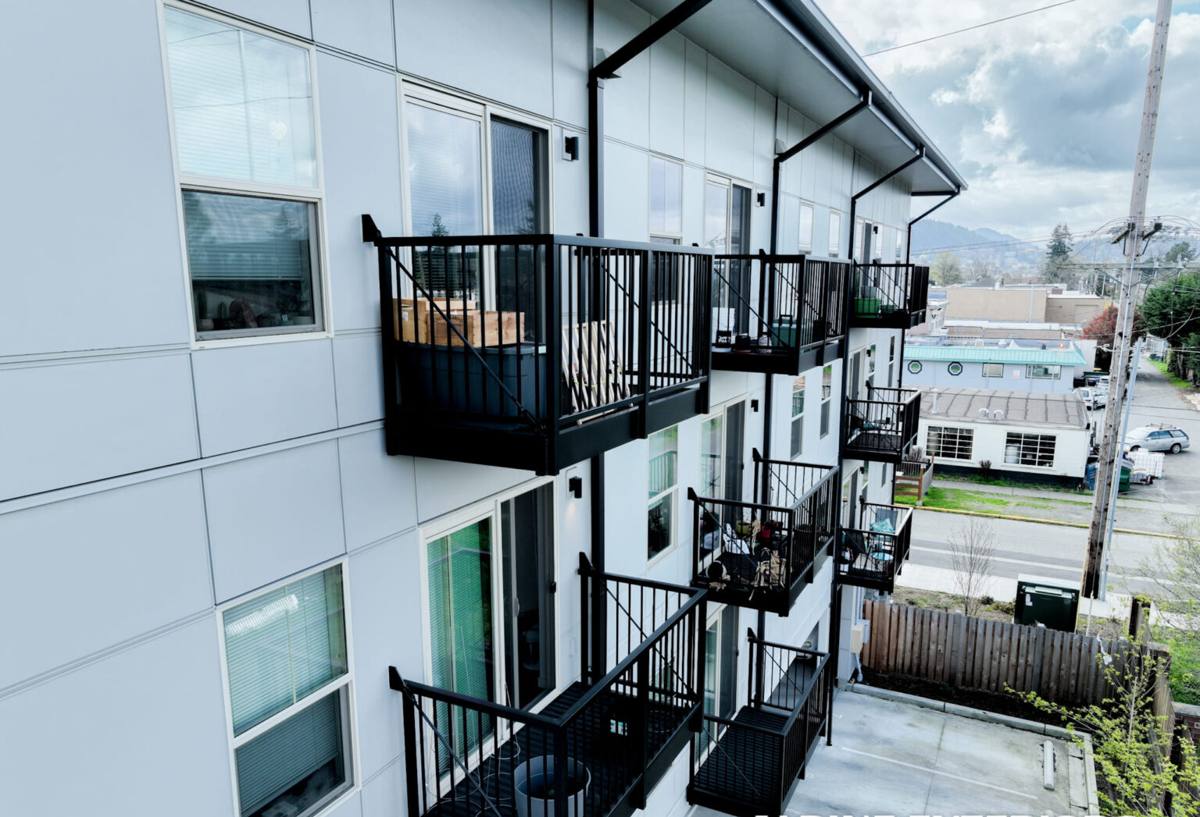
Why We Install James Hardie Here — and Nothing Else
We're a James Hardie-only crew. We don't install vinyl, LP SmartSide, Cemplank, Allura, primed spruce, or cedar, and that's a deliberate standard, not an oversight. In a climate like Whatcom County's, the trade-offs of those other products — moisture sensitivity, coating durability, long-term maintenance burden — matter more than they would in a milder or drier region. James Hardie's fiber cement is non-combustible, dimensionally stable when it gets wet and dries out repeatedly, and its ColorPlus factory finish is baked on and warrantied against fading and peeling in a way field-applied paint isn't.
Hardie also builds region-specific product engineering into its lineup. The HZ5 formulation is designed for wetter, harsher climates — it resists moisture intrusion and freeze-thaw stress better than the standard HZ10 line built for warmer, drier regions. For a Ferndale home catching salt-laden wind and near-constant winter moisture, HZ5 products are the appropriate spec, not an upgrade.
What This Means in Practice
It means the siding itself won't be the weak link. It won't swell, delaminate, or rot the way wood-based products can when they take on repeated moisture. It won't need repainting every five to seven years. And it carries a long, transferable manufacturer warranty that matters if the home changes hands, which is a real consideration in a growing area like this.
What a Correct Installation Actually Involves
James Hardie siding is only as good as the installation behind it. The product itself is engineered to perform in wet climates, but a rushed or improperly detailed install can undercut all of that. For Ferndale homes specifically, a handful of details matter more than usual:
- Weather-resistive barrier and flashing first. Every window, door, and penetration gets flashed and integrated with the house wrap before a single board goes up — this is what actually stops driving rain, not the siding surface itself.
- Correct fastener spacing and type. Hardie specifies fastener type, spacing, and embedment depth precisely. In a salt-air environment, using the wrong fastener metal invites corrosion staining and eventual pull-through.
- Proper clearance at grade and roofline. Hardie requires a minimum gap between siding and the ground, decks, and roofing — skipping this is one of the most common causes of moisture damage we see on re-siding jobs.
- Butt joints and caulking done to spec. Panel and plank joints need to be treated correctly — factory-primed cut edges sealed, joints backed or flashed — or they become entry points for exactly the wind-driven rain this area gets.
- Ventilation behind the cladding. A rainscreen or drainage gap lets any moisture that does get behind the siding actually dry out, instead of sitting against the wall sheathing.
Skip any one of these and you can still end up with moisture problems behind Hardie board — the material doesn't fail, but the wall assembly behind it can if it isn't installed to spec.
Our Process for a Ferndale Project
We keep the process straightforward and we don't rush the parts that matter:
- On-site assessment. We look at the existing siding, the wall assembly where it's exposed, and any signs of past moisture intrusion — especially on north- and west-facing walls that take the brunt of coastal weather.
- Product and line selection. We walk through HZ5 lath, plank, and panel options, and which ColorPlus finish fits the home and its sun/wind exposure.
- Tear-off and prep. Old siding comes off, sheathing gets inspected and repaired if needed, and the weather-resistive barrier and flashing details go in before anything else.
- Installation to Hardie spec. Fastening, clearances, joint treatment, and ventilation are all done to manufacturer requirements — not shortcuts that only show up as problems years later.
- Final walkthrough. We go over trim, caulking lines, and touch-up needs with the homeowner before calling the job done.
James Hardie Compared to Other Siding Options in This Climate
Homeowners in Ferndale and Birch Bay often ask what actually separates Hardie from cheaper or more common alternatives once you account for the local weather. Here's an honest breakdown:
| Factor | James Hardie Fiber Cement | Vinyl | Wood / Primed Spruce / Cedar |
|---|---|---|---|
| Moisture behavior | Dimensionally stable, engineered HZ5 for wet climates | Doesn't absorb water, but can warp/crack in temperature swings | Absorbs moisture; prone to swelling, rot, and repeated repainting |
| Salt air exposure | Factory-baked finish resists fading and coating breakdown | Can chalk and become brittle over time near the coast | Finish breaks down faster; more frequent maintenance |
| Fire resistance | Non-combustible | Combustible, can melt/deform near heat sources | Combustible |
| Typical maintenance | Occasional wash; repainting only after decades, if ever | Low, but limited repair options once damaged | Repainting/staining every 3-7 years |
| Warranty | Long, transferable manufacturer warranty on product and finish | Varies widely by manufacturer and grade | Typically none beyond installer workmanship |
This isn't a knock on every other product in every climate — vinyl and wood both have places they perform reasonably well. But for a home absorbing salt air and near-constant coastal moisture, the trade-offs stack up differently, and that's the honest reason we standardized on Hardie rather than offering a menu of options.
Moss, Shade, and Long-Term Upkeep
Whatcom County's moss season is long, and siding on the shaded, north-facing sides of a house is often the last thing to dry out after a rain. A correctly installed Hardie system doesn't stop moss spores from landing on the surface, but it does keep the material underneath from being damaged by the moisture moss holds against it. Fiber cement doesn't feed mold or rot the way wood-based siding can, so periodic washing keeps it looking clean without turning into a structural concern.
We also pay attention to how trim and joint details are sealed specifically because those are the spots where trapped moisture and moss buildup cause the most damage on any home in this region, regardless of siding material.
Why Hiring a Crew That Already Works This Area Matters
A lot of siding problems in coastal Whatcom County trace back to installers applying a generic, one-size-fits-all approach — the same fastener schedule, the same clearance details, the same product line they'd use in a dry inland climate. A crew that regularly works Ferndale and Birch Bay knows which walls take the worst of the weather, which details tend to get skipped on rushed jobs, and which product line actually holds up here versus on paper.
That familiarity also means fewer surprises during the project itself — permitting norms, typical wall construction in the area's housing stock, and realistic weather windows for installation are all things a local crew already accounts for instead of learning on your job.
A Quick Checklist Before You Hire Anyone
- Ask what siding product and specific line they're proposing, and why it fits a coastal Whatcom County home.
- Ask how they handle flashing at windows, doors, and roof lines — this matters more than the siding brand itself.
- Ask about fastener type and spacing, especially given salt air exposure.
- Ask whether they install a drainage gap or rainscreen behind the siding.
- Get the manufacturer warranty terms in writing, including whether it's transferable if you sell the home.
If you're weighing a siding project in Ferndale and want a straight answer about what your home needs and what it would take to do it right, we're happy to take a look. Reach out for a free, no-pressure estimate using the form below.