 Birch Bay
 Window Installation in Custer: A Different Job Than It Looks Like
Custer sits a few miles inland from the Birch Bay shoreline, but don't let the distance from the water fool you. The same weather system that soaks the bay soaks Custer too — the wind just arrives a little less salted and a little more relentless, funneling across open farmland and tree lines with nothing to slow it down. Window installation here isn't a cosmetic upgrade. It's a moisture-management job first and a curb-appeal job second, and treating it as the reverse is how homeowners end up with rot behind trim they replaced five years ago.
We install windows in Custer the way we'd want them installed in our own homes: flashed correctly, sealed with the right materials in the right order, and matched to a frame material that can actually handle Whatcom County's wet season without babysitting. This page walks through what that looks like in practice.
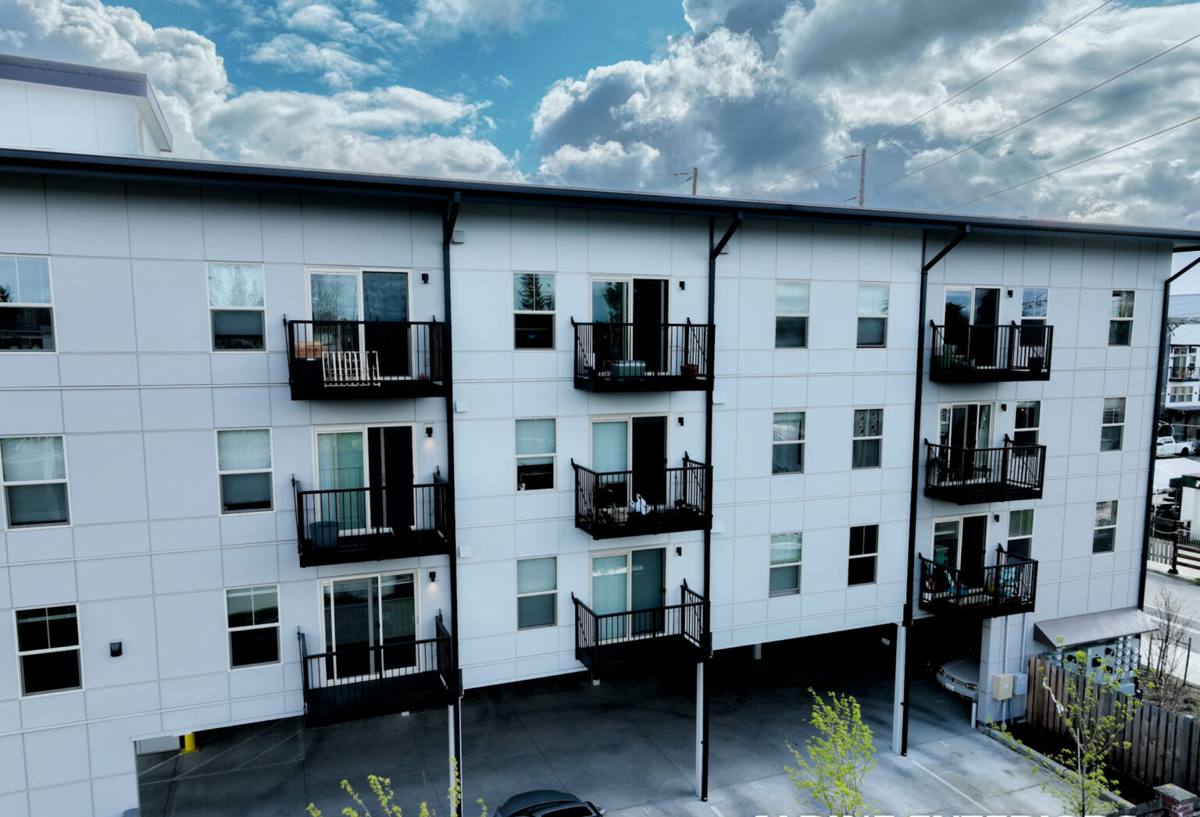
The Regional Climate Factor
Three things define window performance in this part of Whatcom County, and they compound each other:
Salt Air
Even set back from the water, Custer properties get enough marine air drift to accelerate corrosion on unprotected fasteners and lower-grade hardware over time. It's slower than what a beachfront Birch Bay home deals with, but it's not zero, and cheap window hardware shows the difference within a decade.
Driving Rain
Storms here tend to arrive sideways, not straight down. Wind-driven rain finds any gap in a window's flashing or sealant line and pushes water uphill against gravity, which is exactly why standard "caulk and hope" installs fail around here faster than they would in a calmer climate.
Long Moss Season
Damp, mild winters and shaded tree lines mean moss and algae get a long runway to establish themselves on sills, trim, and anywhere water sits instead of draining. Once moss takes hold on wood trim around a window, it holds moisture against the surface constantly — which is a slow but steady path to rot.
None of these factors are dramatic on their own. Together, over years, they're what separates a window installation that's still tight and dry at year fifteen from one that's leaking into the wall cavity by year seven.
Signs a Custer Home's Windows Need Attention
Homeowners usually notice problems late, because the damage happens inside the wall before it shows up inside the house. Watch for these:
- Fogging or condensation between panes on double-glazed windows — the seal has failed
- Soft or discolored trim or sill wood, especially on the side of the house that takes the most weather
- Drafts you can feel with a hand near the frame on a windy day
- Paint that keeps bubbling or peeling around the window opening no matter how often it's redone
- Visible moss or dark streaking building up on the sill or lower trim
- Windows that are noticeably harder to open, close, or lock than they used to be
- Musty smell near a window that doesn't go away with cleaning
Any one of these is worth a look. Several at once usually means water has already gotten past the original flashing.
What a Correct Installation Actually Involves
Window installation quality is decided mostly by things you'll never see once the trim goes back on. The window itself matters, but the flashing and sealing sequence around it matters more.
The Sequence That Keeps Water Out
Water management around a window works like shingles on a roof — everything above overlaps everything below, so water is always directed outward and down, never trapped behind a layer. That means:
- Sill pan flashing installed first, sloped to drain any water that gets past the window itself
- Weather-resistant barrier integrated with the flashing, not just taped over it
- Window set plumb, level, and square before a single fastener goes in
- Proper shimming so the frame isn't stressed or bowed, which causes premature seal failure
- Flashing tape or head flashing installed over the top, lapping over the side flashing
- Interior air sealing with low-expansion foam or backer rod, not just caulk alone
- Exterior sealant as the last line of defense, not the only line of defense
A window that's caulked in without proper flashing can look perfect for a couple of dry summers and still be feeding water into the wall framing the whole time. That's the part of the job that separates a correct installation from a fast one.
Choosing a Frame Material for a Custer Property
There's no single "best" window material — there's a best fit for your home's exposure, your maintenance appetite, and your budget. Here's how the common options hold up under Whatcom County conditions:
| Frame Material | Performance in Salt Air & Rain | Maintenance Load | General Cost Range |
|---|---|---|---|
| Vinyl | Good — won't rot or corrode, handles moisture well | Low — occasional cleaning | Lower |
| Fiberglass | Very good — stable in temperature swings, resists warping | Low | Mid to upper |
| Wood-clad | Good exterior protection, but any breach in the cladding exposes wood underneath | Higher — needs monitoring at joints and sills | Upper |
| Aluminum | Prone to condensation and thermal transfer; needs a thermal break to perform well here | Moderate | Varies |
For most Custer homes, vinyl and fiberglass are the practical workhorses — they shrug off the damp without asking for much upkeep. Wood-clad windows can be the right call for a specific architectural look, but we'll be straight with you about the added attention they need at the sill and cladding seams in a climate this wet. We don't push one product line on every job; we size the recommendation to your home and your tolerance for maintenance.
Our Process From Estimate to Final Walkthrough
1. On-Site Assessment
We look at the existing windows, the condition of the framing around them where visible, sun and wind exposure on each elevation, and what's actually causing any current problems — not just what's cosmetically obvious.
2. Straight-Talk Estimate
You get a clear breakdown of window options, what the flashing and sealing work involves, and a realistic timeline. No pressure tactics, no "today only" pricing games.
3. Careful Removal
Old windows come out without tearing up more of the surrounding wall or siding than necessary, and we check the opening for hidden rot or moisture damage before anything new goes in.
4. Correct Installation
Sill pan, flashing, air sealing, and window setting done in the right order, every time — the sequence described above isn't optional or something we skip to save an hour.
5. Trim, Seal, and Cleanup
Interior and exterior trim finished properly, final exterior sealant applied, and the site cleaned up. We walk the job with you before calling it done.
Why Hiring a Crew That Already Works Custer Matters
A lot of window problems we get called out to fix weren't caused by a bad window — they were caused by an installer who didn't account for how this specific climate behaves. A crew that mostly works drier inland regions may not think twice about wind-driven rain angles or moss buildup patterns that are routine business for anyone working Whatcom County full time.
Working Birch Bay and the surrounding Custer area consistently means we're not guessing at how a given elevation of a house will get hit by weather, or which details matter most on a shaded, damp lot versus an open, windswept one. That familiarity shows up in fewer callbacks and windows that are still performing well a decade or two out.
Keeping New Windows Performing Long-Term
A correct installation is most of the battle, but a little homeowner upkeep extends the life of the work significantly:
- Rinse sills and trim periodically to keep moss and algae from establishing
- Keep gutters and downspouts clear so water isn't running down the wall near window heads
- Check exterior caulk lines yearly for cracking or separation and have gaps re-sealed promptly
- Trim back vegetation that's shading a window and keeping it damp longer than the rest of the house
- Operate locks and hardware occasionally through the off-season so mechanisms don't seize up
- Watch for early signs of trouble — condensation between panes, soft trim, sticking sashes — and address them before they spread
None of this takes much time, and it's a lot cheaper than dealing with hidden rot later.
Get a Straight Answer About Your Windows
If you're dealing with drafty, foggy, or hard-to-operate windows in Custer, or you're planning ahead before the wet season sets in, we're glad to take a look. The estimate is free, there's no pressure, and you'll get an honest read on what your home actually needs — not an upsell. The form below is the easiest way to get started.