 Birch Bay
 Board & Batten Siding Built for California Creek's Climate
Homes in the California Creek area sit close enough to the water that salt-laden air, driving rain off the Strait, and a moss season that can run more than half the year all leave their mark on an exterior. Board and batten siding — with its crisp vertical lines and wide, flat panels — is one of the more exposed profiles you can put on a house here, because those wide panel faces catch wind-driven rain and hold moisture differently than narrow lap boards do. Done right, board and batten is one of the best-looking and longest-lasting siding styles for this stretch of Whatcom County. Done wrong, it's one of the fastest ways to trap water behind a wall.
This page is about that one service — board and batten siding — for that one area. Not a general siding overview, not a company brochure. What California Creek homes actually need from this style, what a correct installation looks like, and why the crew doing the work matters as much as the material itself.
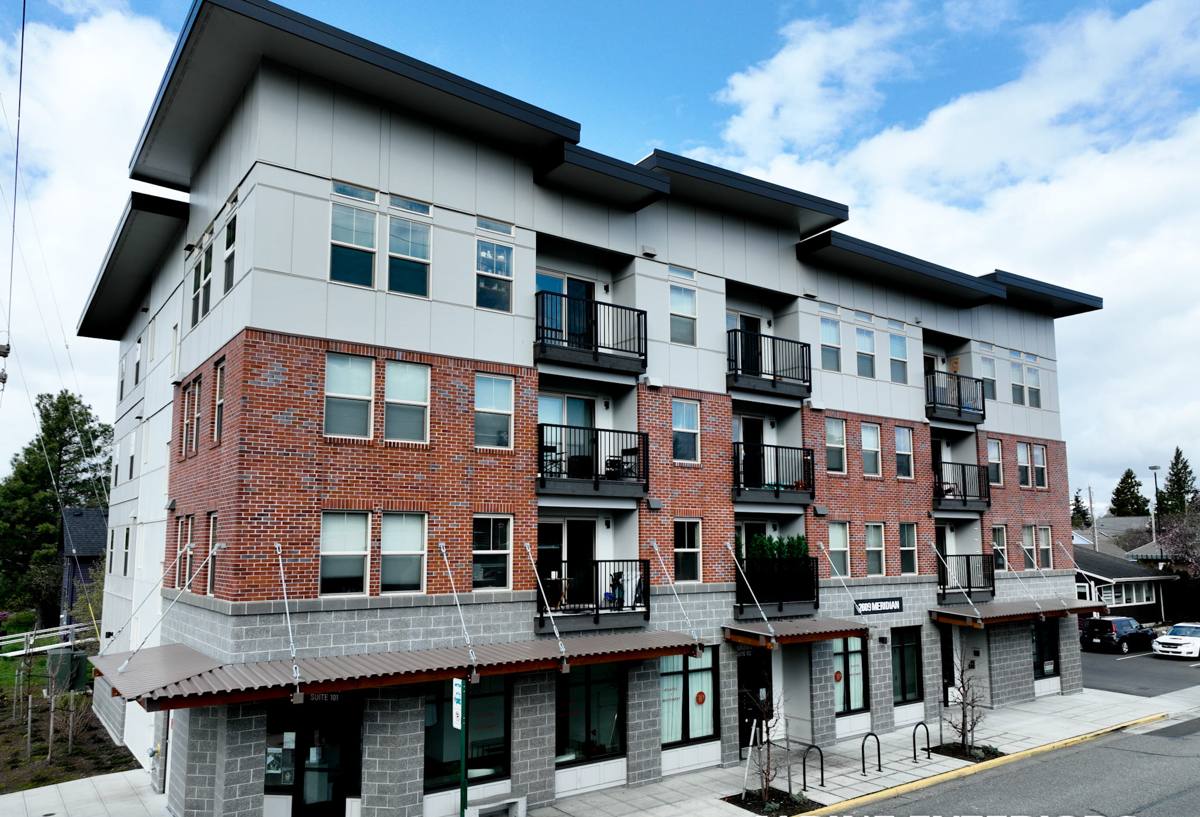
Why Board and Batten Fits This Neighborhood
Board and batten reads as farmhouse, coastal, and craftsman all at once, which is part of why it shows up so often on newer builds and remodels near the water in Birch Bay. The vertical lines pair well with the low-slung, single-story and 1.5-story homes common in this part of Whatcom County, and the style holds up visually against the muted grays and greens of the surrounding landscape in a way that busier siding profiles don't.
But the same wide, flat panel faces that make board and batten look clean also give wind-driven rain a bigger, flatter target. On a lap-sided home, water sheds board to board almost immediately. On board and batten, water can run down a long, uninterrupted panel face and concentrate at the base, at window heads, and at the battens themselves if the installation details aren't right. In a climate with this much sustained damp weather, those details aren't optional — they're the difference between siding that lasts decades and siding that fails from behind, out of sight, in under ten years.
What a Correct Board and Batten Job Actually Involves
A lot of what determines whether board and batten performs near the water happens before the first panel goes up.
Drainage Plane and Rainscreen Gap
Every board and batten installation on a California Creek home should start with a properly lapped weather-resistant barrier and a drainage gap between that barrier and the siding — commonly a vertical furring strip system. That gap lets any moisture that does get past the siding face drain and dry instead of sitting against the sheathing. This detail matters more on board and batten than almost any other profile, because the wide panels give bulk water fewer places to escape once it's behind the cladding.
Fasteners and Corrosion Resistance
Salt air accelerates corrosion on anything less than a properly rated fastener. Board and batten takes a lot of fastening — both the panels and the vertical battens covering the seams — and every one of those fasteners is a potential point of rust staining or eventual failure if the wrong hardware gets used. Coastal-rated, corrosion-resistant fasteners aren't an upgrade here; they're the baseline.
Panel Seams and Batten Placement
The battens aren't just decorative — they cover the vertical seams between panels and are a primary line of defense against water intrusion at those joints. Batten spacing, fastening pattern, and how each batten is flashed or sealed at the top all affect how the wall behind them performs over time.
Flashing at Windows, Corners, and the Base
Wherever board and batten panels terminate — at window and door openings, inside and outside corners, and the bottom of the wall near grade — proper flashing has to direct water back out and away from the wall assembly. This is where a lot of poor installations fail first, because these transition points take the most sustained wetting during a Whatcom County winter.
Why We Install James Hardie Board and Batten — and Nothing Else
We install James Hardie fiber cement exclusively, and board and batten is one of the profiles where that choice matters most. HardiePanel vertical siding is engineered fiber cement — dense, dimensionally stable, and manufactured to hold a straight, flat line without the warping, cupping, or splitting that wood-based and engineered-wood panel products are prone to once they take on repeated moisture cycles.
A few specifics that matter for this application:
- Non-combustible material — fiber cement doesn't feed a fire the way wood-based panel siding can.
- ColorPlus factory finish — a baked-on finish applied under controlled conditions, which holds color and resists the fading and chalking that field-applied paint on wood or engineered panels struggles with in salt air and constant damp.
- Climate-engineered HZ product lines — Hardie manufactures specific formulations for wetter, cooler climates like ours, built to resist moisture-related damage better than a one-size-fits-all product.
- Dimensional stability — HardiePanel doesn't expand, contract, and telegraph seam movement the way some wood and engineered-wood panels do after a few wet-dry cycles, which keeps the batten lines straight for the life of the siding.
- Transferable warranty — backed by the manufacturer, and worth something if you sell the home.
We don't install LP SmartSide, vinyl, Cemplank, Allura, primed spruce, or cedar board and batten. Each of those has legitimate strengths — cedar's natural look, vinyl's low upfront cost, LP's ease of installation — but each also carries a real trade-off in this specific climate: wood-based products need ongoing paint and moisture maintenance that a long moss season punishes, vinyl can warp and doesn't offer the same rigid, flat panel look board and batten is chosen for, and other fiber cement brands don't carry the same climate-specific engineering or finish warranty Hardie does. We'd rather install one product correctly than several products with compromises we'd have to explain away later.
Board and Batten Material Comparison for Coastal Homes
| Material | Moisture Performance Near Water | Maintenance | Typical Lifespan |
|---|---|---|---|
| James Hardie fiber cement | Engineered for wet climates; won't rot or absorb water like wood | Occasional wash; factory finish resists fading | 30+ years with correct installation |
| Cedar | Natural but absorbs moisture; prone to cupping and checking in constant damp | Regular refinishing or staining required | 15-25 years, shorter with deferred maintenance |
| Vinyl | Won't rot, but can warp and doesn't hold a flat panel look well | Low, but limited repair options once damaged | 20-30 years, appearance degrades sooner |
| LP SmartSide / engineered wood | Vulnerable at cut edges and seams if moisture gets in | Paint maintenance and edge sealing needed | 20-30 years if maintained closely |
Our Process for California Creek Board and Batten Projects
- On-site assessment — we look at the home's exposure to prevailing wind and rain, existing wall condition, and any signs of past moisture intrusion before recommending anything.
- Moisture and substrate check — sheathing and framing get inspected for hidden damage, especially on older homes where previous siding may have trapped water for years unnoticed.
- Drainage plane and rainscreen installation — weather-resistant barrier and furring strips go in first, not as an afterthought.
- HardiePanel and batten installation — panels and battens installed to Hardie's fastening and clearance specifications, with corrosion-resistant hardware throughout.
- Flashing and detail work — windows, corners, and the base of the wall get proper flashing so water is directed out, not in.
- Final walkthrough — we go over the finished work with you before calling the job done.
Living With a Long Moss Season
Even the best siding needs a small amount of homeowner attention in a climate where moss and algae have months to establish themselves on north-facing and shaded walls. Board and batten's vertical battens can create narrow shadow lines where moss gets a foothold if a home sits under tree cover or on a shaded lot common to this area. None of this is a defect in the siding — it's a normal part of owning a home this close to the water.
- Rinse siding annually with a garden hose and soft brush — avoid pressure washers, which can force water behind panels and battens
- Trim back vegetation and tree limbs that keep wall sections shaded and damp
- Check gutters each fall so overflow doesn't run down the siding face
- Look at panel bases and corner flashing once a year for any staining or discoloration that could signal a flashing issue
- Address moss or algae growth early with a gentle cleaning rather than letting it build up over multiple seasons
What Affects the Cost of a Board and Batten Project
Every home is different, but the main cost drivers on a California Creek board and batten job are generally the same:
- Whether existing siding needs to be removed and disposed of, or the substrate needs repair
- Total wall area and the amount of cutting required around windows, doors, and rooflines
- Whether a rainscreen/furring system needs to be added where one doesn't already exist
- Trim, corner, and batten detail complexity
- Site access and staging conditions
We'll walk your home and give you a straightforward estimate based on what's actually there — not a generic per-square-foot number that ignores your specific wall conditions.
Why Hire a Crew That Already Works This Area
Board and batten forgives fewer mistakes than most siding profiles, and a crew that's already worked on homes near California Creek and elsewhere in Birch Bay has already seen how this specific stretch of coastline treats a wall — where the wind-driven rain hits hardest, which orientations grow moss fastest, and what a rainscreen detail needs to look like to hold up through a full Whatcom County winter. That's not something a crew unfamiliar with this climate picks up on the first job. We install James Hardie board and batten because we trust the material; we back it up with installation details built around the conditions your home actually faces.
If you're considering board and batten siding for your California Creek home, we're happy to take a look and walk you through what your specific project would involve. There's no pressure and no cost for an honest estimate — just fill out the form below to get started.