 Birch Bay
 Board & Batten Siding in Birch Bay Village: A Look That Has to Work as Hard as It Looks
Board and batten has a specific appeal in a place like Birch Bay: the vertical lines read as coastal and clean, they fit both older cabin-style homes and newer builds, and the strong shadow lines from the battens give a flat wall real depth. But board and batten isn't just lap siding turned sideways. The wide boards and narrow battens that cover each seam create a different water-management system than horizontal siding, and if that system isn't built correctly, the style that made the house look sharp is also the style that lets water find its way behind the wall.
In Birch Bay Village and the surrounding area, that distinction matters more than it would somewhere drier. Homes here sit close enough to the water to catch salt-laden wind directly off the bay, take on driving rain during winter storms, and spend a good chunk of the year under damp, shaded, moss-friendly conditions. Board and batten siding done well handles all of that quietly for decades. Done poorly, it fails at the seams first — which, on this style of siding, are everywhere.
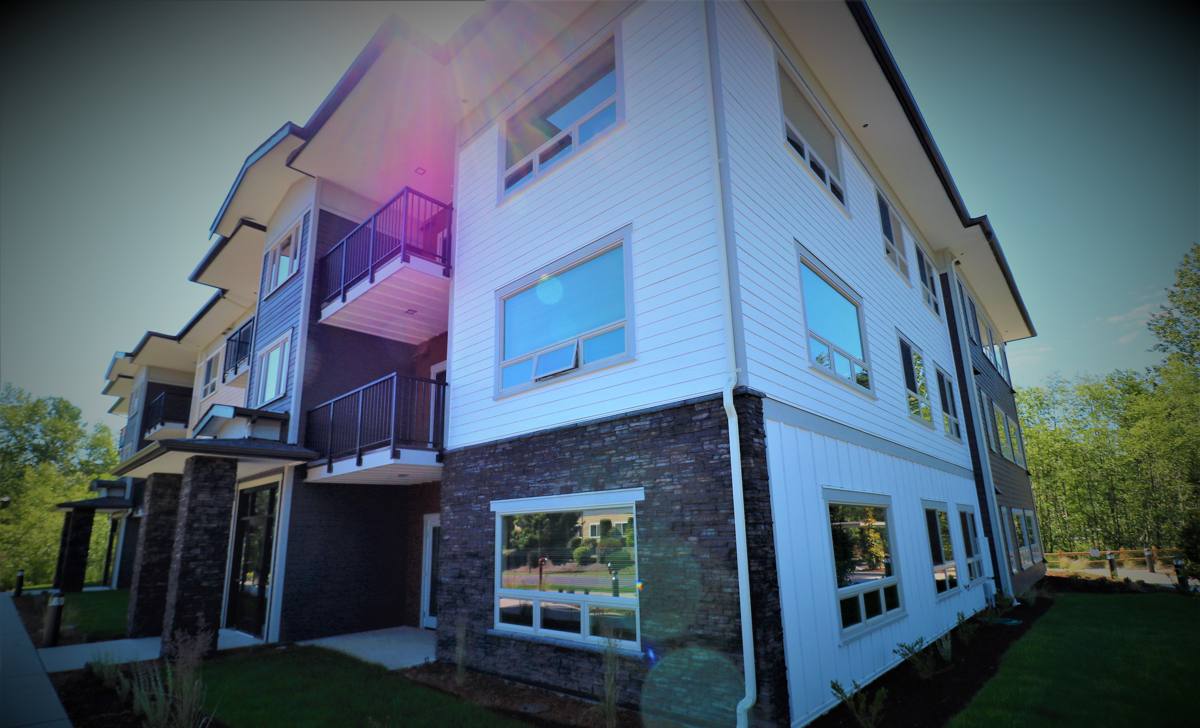
What Birch Bay's Climate Actually Does to Vertical Siding
Three conditions do most of the damage to board and batten siding in this area, and they compound each other:
Salt Air
Airborne salt off the bay accelerates corrosion on anything metal — fasteners, flashing, and trim screws — and it degrades paint and lesser siding finishes faster than an inland location would. On board and batten, where fasteners are often exposed along the battens rather than hidden, corroding hardware shows up as rust streaks bleeding down the face of the siding.
Driving Rain
Storms coming off the water don't just fall straight down — wind pushes rain sideways into wall assemblies, and vertical board and batten has more vertical seams for that wind-driven water to exploit than horizontal lap siding does. Every batten joint is a potential entry point if it isn't backed and sealed correctly.
A Long Moss Season
Mild, wet winters and shaded lots common around Birch Bay add up to an extended window where moss and algae can establish themselves on siding — especially on north-facing walls and anywhere battens create a narrow ledge that holds moisture. Moss that's allowed to sit on siding keeps the surface wet longer than it would otherwise be, which shortens the life of the material underneath it.
Where Board & Batten Installations Actually Go Wrong
Most board and batten failures we get called out to inspect aren't failures of the boards themselves — they're failures of what's behind and beneath them.
Batten Spacing and Fastening
Battens need consistent spacing over structural framing, not just over the boards, and they need to be fastened in a way that doesn't crush or split the material underneath. Battens nailed straight through into whatever's convenient, without regard for stud layout or panel expansion, work loose over time — and a loose batten opens the exact seam it was installed to protect.
Moisture Management Behind the Boards
Correct board and batten siding is installed over a weather-resistive barrier, and in a climate like this one, a rain screen gap behind the siding gives any water that does get past the surface a way to drain and dry instead of sitting against the wall sheathing. Skipping this step is invisible on installation day and expensive five or ten years later.
Fasteners and Trim That Won't Bleed Rust
Given the salt air, fastener choice isn't a minor detail — it determines whether the siding still looks clean in ten years or is streaked with corrosion. The same goes for flashing at window heads, door casings, and wherever board and batten meets trim or roofline.
Why We Only Install James Hardie for Board & Batten
We install James Hardie fiber cement exclusively — we don't offer vinyl, LP SmartSide, primed spruce, or cedar board and batten, and that's a deliberate standard, not a lack of options. For a coastal, wet-winter climate like Birch Bay's, the trade-offs of those alternatives are exactly the ones that cause the failures above: wood-based products need more diligent paint maintenance to keep moisture out, vinyl can warp and doesn't hold up structurally as trim battens, and cheaper fiber cement lines aren't engineered specifically for a wet Pacific Northwest climate zone.
James Hardie's board and batten systems — HardiePanel vertical siding paired with HardieTrim battens — are built from fiber cement, which is non-combustible and doesn't feed moss or rot the way wood substrates can. Hardie's HZ10 product formulation is engineered specifically for the wetter Pacific Northwest climate zone that includes Whatcom County, and the factory-applied ColorPlus finish is baked on and warrantied against fading and cracking in a way field-applied paint on wood siding simply isn't. It doesn't eliminate the need for good installation — nothing does — but it gives a correctly installed board and batten wall the best odds of aging well here.
Our Board & Batten Installation Process for Birch Bay Village
Site Assessment and Moisture Check
We start by walking the exterior and checking for existing moisture damage, rot at trim and window openings, and any prior siding work that skipped a weather barrier. This tells us what we're actually building on, not just what we're covering up.
Weather-Resistive Barrier and Rain Screen
Before a single board goes up, the wall gets a proper weather-resistive barrier, with flashing detailed at every window, door, and penetration. Depending on the wall assembly, we build in a rain screen gap so any incidental moisture has somewhere to go besides straight into the sheathing.
Panel and Batten Installation
Panels and battens go up fastened into framing on a consistent layout, with expansion gaps and fastener placement following Hardie's specifications rather than shortcuts. This is the step where most of the long-term performance of board and batten siding actually gets decided.
Sealing, Fastening, and Finish Details
We finish with corrosion-resistant fasteners and properly sealed joints at trim, corners, and roof intersections — the details that keep salt air and driving rain from finding a way in over the following winters.
Cost Factors for Board & Batten Siding
Every project is different, but these are the factors that typically move the price on a board and batten job:
| Factor | Why It Matters | Effect on Cost |
|---|---|---|
| Existing wall condition | Rot, mold, or missing barrier behind old siding requires repair before new siding goes on | Can add labor and material for sheathing repair |
| Batten pattern and spacing | Tighter batten spacing and custom patterns take more material and labor than standard spacing | Moderate increase |
| Trim and architectural detail | Corners, window casings, and roof intersections all need custom cutting and flashing | Increases with home complexity |
| Color | Factory-applied ColorPlus finish vs. field-painted trim affects both cost and long-term maintenance | Factory finish costs more upfront, less over time |
| Wall height and access | Multi-story walls, steep lots, or limited equipment access add labor time | Increases with access difficulty |
Maintaining Board & Batten Siding in a Salt Air, Moss-Prone Climate
Even the right siding system benefits from a little routine attention in an environment like Birch Bay's. A short seasonal checklist:
- Rinse salt residue off the siding a couple of times a year, especially on walls facing the water or prevailing wind
- Check north-facing and shaded walls for early moss or algae growth and remove it gently before it spreads
- Look at batten seams and trim joints after major winter storms for any sign of cracked caulk or separation
- Watch for rust streaking at fasteners or flashing, which signals hardware that needs attention
- Keep gutters and downspouts clear so runoff isn't sheeting down the siding face during heavy rain
- Trim back vegetation and tree cover that keeps any wall section shaded and damp longer than the rest of the house
Why Hiring a Crew That Already Works Birch Bay Village Matters
Board and batten siding installed to a generic standard can still fail in a specific place. A crew that regularly works in and around Birch Bay Village already knows which elevations tend to take the worst of the wind-driven rain, how aggressive the moss season gets on shaded lots near the water, and what fastener and flashing details actually hold up against salt air year after year — not just what a spec sheet says should work. That local pattern recognition is the difference between a board and batten installation that looks right on day one and one that's still tight and dry after a decade of Whatcom County winters.
If you're weighing board and batten siding for a home in Birch Bay Village, we're happy to take a look and walk you through what your specific walls and exposure would need. There's no pressure and no cost to get an honest assessment — just fill out the form below to request a free estimate.