 Birch Bay
 Windows Built for Cottonwood Beach's Waterfront Exposure
Cottonwood Beach sits close enough to the water that its homes take a different kind of weather beating than houses even a mile or two inland in Birch Bay. Salt-laden air off the Strait of Georgia works on window hardware, seals, and finishes year-round, not just during storms. Add Whatcom County's long wet season and the steady moss and mildew pressure that comes with it, and you have a set of conditions that will find every weak point in a window system — old or new. We've replaced windows in this neighborhood long enough to know which failures show up here first, and it changes how we spec and install a job.
This page is specifically about window replacement for Cottonwood Beach homes. If you're comparing options for a full siding and window project, that's a separate conversation — but the window work itself deserves its own explanation, because it's not the same job as a window swap in a drier, more sheltered part of the county.
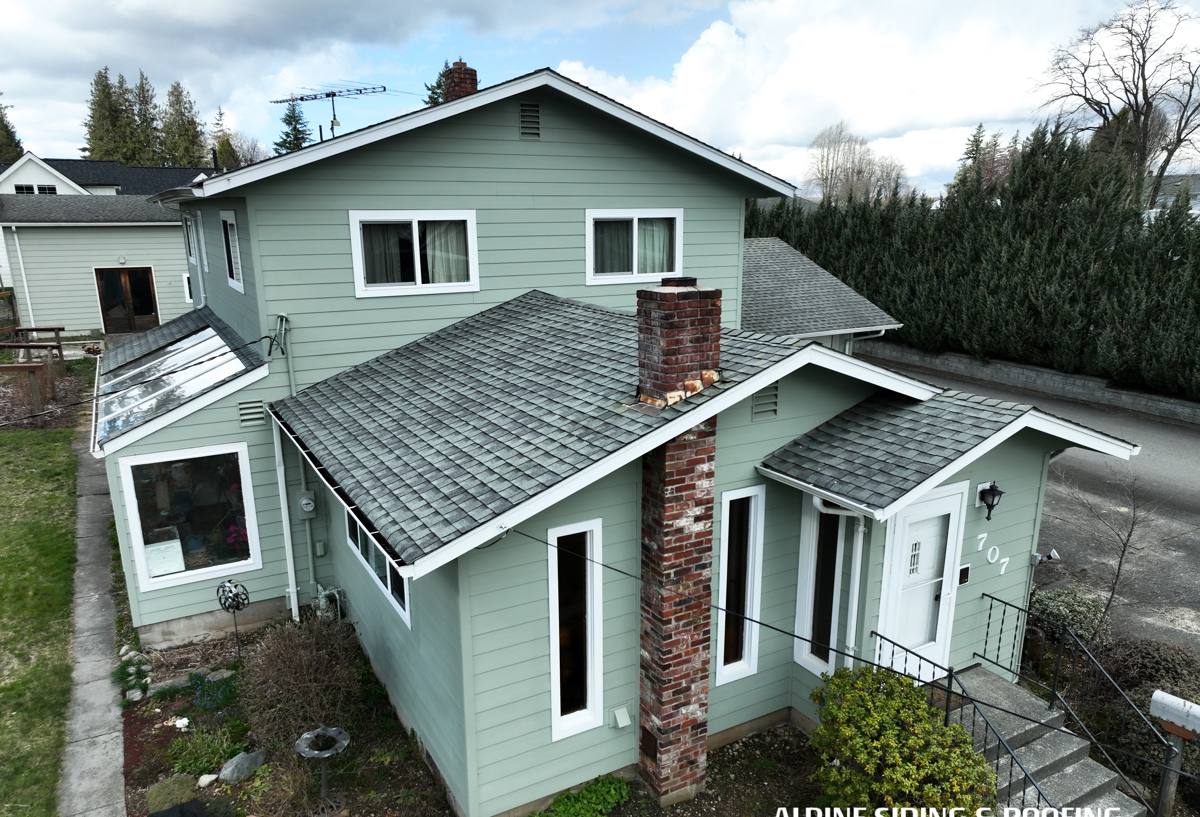
What Salt Air and Driving Rain Actually Do to Windows
Hardware and Metal Components
Salt air accelerates corrosion on anything metal — window locks, hinges, balance systems, and screen frames. On homes closer to the water, we see pitting and seizing on hardware that would still be working fine on an inland house of the same age. Once a lock or balance corrodes, the window stops sealing tight, and that's when air and moisture start finding their way in around the sash.
Driving Rain and Wind-Driven Water
Birch Bay gets weather that comes in sideways off the water, not just straight down. Wind-driven rain pushes against window flanges and trim in a way that vertical rain doesn't, testing flashing and sealant details that a calmer climate would never stress. A window that's watertight in a light rain can still leak under wind-driven conditions if the flashing wasn't done right the first time.
Moss, Mildew, and the Long Wet Season
Whatcom County's extended damp season keeps wood trim, sills, and any organic growth surface wet for months at a stretch. Moss and mildew don't just look bad — sustained moisture against wood trim or an old wood sill is what leads to rot underneath, often before it's visible from outside.
Signs a Cottonwood Beach Home Needs Window Replacement
- Fogging or a permanent haze between the panes — the seal has failed and the insulating gas is gone
- Locks or cranks that stick, grind, or won't fully engage
- Visible corrosion or white residue on aluminum frames or hardware
- Soft or discolored wood at the sill or lower corners of the frame
- Drafts you can feel near the frame on a windy day, even with the window latched
- Condensation forming on the inside of the glass regularly through fall and winter
- Moss or dark staining building up in the corners of the frame or trim
What a Correct Window Replacement Involves Here
Frame Material Choice
For a waterfront-adjacent property, we generally steer homeowners toward vinyl or fiberglass frames over bare wood or standard aluminum. Vinyl and fiberglass don't corrode, and they hold up to salt exposure without the ongoing maintenance a painted wood frame demands in this climate. That's not a knock on wood windows in general — it's a maintenance and moisture-behavior tradeoff that matters more here than it would twenty miles inland.
Glass Package
Double-pane, low-E glass with argon fill is the standard we install for this area. The low-E coating helps with both summer heat gain and winter heat loss, and it cuts down on the condensation problems that come with our damp, temperature-swinging climate. For homes catching more direct wind and noise off the water, a upgraded glass package can also help with sound dampening — worth discussing if that's a concern.
Flashing and Water Management
This is the part that actually determines whether a window leaks in five years. Correct installation means properly lapped flashing tape integrated with the house wrap, a sloped sill pan so any water that gets past the exterior seal drains back out instead of pooling, and sealant only where it belongs — not as a substitute for proper flashing. This is also where we most often find shortcuts on older installs we're asked to replace.
Fastening and Fit
Wind-driven rain punishes a loose or improperly shimmed window. We fit and fasten to the manufacturer's spec, not "close enough," because a window that's slightly out of square will telegraph gaps at the corners that show up as leaks or drafts later.
Comparing Frame Options for This Climate
| Frame Type | Salt Air / Corrosion Resistance | Maintenance | Typical Fit for Cottonwood Beach |
|---|---|---|---|
| Vinyl | Excellent — no corrosion | Low — occasional cleaning | Strong default choice for value and low upkeep |
| Fiberglass | Excellent — no corrosion | Low | Good for larger openings or higher-exposure walls facing the water |
| Standard Aluminum | Fair — prone to pitting and corrosion over time | Moderate to high near salt air | Generally not our first recommendation this close to the water |
| Bare Wood | Poor without diligent upkeep | High — regular painting/sealing | Only for homeowners committed to ongoing maintenance |
Cost Factors for Window Replacement in This Area
There's no single number that applies to every house, but a few factors consistently move the price up or down for jobs in this neighborhood:
| Factor | Why It Matters Here |
|---|---|
| Number and size of openings | Larger view windows facing the water often need heavier-duty frames and glass |
| Extent of existing water damage | Rotted sheathing or framing discovered during removal adds repair scope before the new window goes in |
| Frame material selected | Vinyl is typically the most budget-friendly; fiberglass and higher-end glass packages cost more upfront but less in upkeep |
| Wall exposure | Openings on the wind- and rain-facing side of the house may warrant upgraded flashing details |
| Access and site conditions | Waterfront lots with tighter access or elevation changes can add labor time |
We'll walk through actual numbers for your specific windows during an in-person estimate — broad ranges on a webpage don't account for what we'll find once we're looking at your actual openings.
Our Process for a Cottonwood Beach Window Job
- On-site assessment: We check each window's current condition, look for hidden moisture or rot at the sill and framing, and note which walls take the brunt of the weather.
- Honest recommendation: We tell you which windows need full replacement now, which can wait, and why — no pressure to do more than the house actually needs.
- Removal and inspection: Once the old window is out, we inspect the framing before anything new goes in. Hidden rot gets addressed at this stage, not covered over.
- Correct flashing and sealing: Sill pan, flashing tape, and house wrap integration done in the right order, every time.
- Installation and fit check: Windows are shimmed, squared, and fastened to spec, then operated and checked for proper seal.
- Final walkthrough: We show you the finished work and answer questions before we consider the job done.
Why a Crew That Already Works Cottonwood Beach Matters
General window installers who mostly work drier, inland jobs don't always think about salt exposure or wind-driven rain the way they need to for a property this close to the water. We already know which frame materials hold up here, which flashing details matter most on wind-facing walls, and what kind of hardware corrosion to watch for on a home that's been standing a few decades in this air. That's not a marketing point — it changes real decisions on the job, from the sealant we use to how we sequence the flashing.
Being a local Birch Bay crew also means we're not disappearing after the invoice clears. If a question comes up a year later about how a window is performing through its first full wet season, we're easy to reach and already familiar with your house.
Maintaining Your New Windows in This Climate
- Rinse salt residue off frames and hardware periodically, especially after storms
- Keep weep holes clear of debris so water can drain out as designed
- Check and lightly lubricate locks and cranks once or twice a year
- Wipe down sills during the wet season to discourage moss and mildew buildup
- Watch for condensation patterns that seem excessive — it can flag a ventilation issue worth addressing separately
If your windows in Cottonwood Beach are showing any of the signs above, or you'd just like an honest read on what shape they're really in, we're happy to come take a look. Estimates are free, there's no pressure to sign anything on the spot, and you'll get a straight answer about what your home actually needs.