 Birch Bay
 Windows Built for Birch Bay Village's Coastline
Birch Bay Village sits close enough to the water that salt air is part of daily life, not an occasional nuisance. Combine that with Whatcom County's driving winter rain and a moss season that can stretch from fall through spring, and you have a climate that is genuinely hard on windows. Frames swell and shrink with moisture cycles, hardware corrodes faster than it would inland, and any gap in the flashing or sealant becomes an entry point for water that has nowhere good to go once it's behind the siding.
Window installation here isn't just about picking a good product off a shelf. It's about how that product gets set into the wall, sealed, and flashed so the specific weather this neighborhood sees doesn't find its way in. We've worked enough homes in this stretch of Birch Bay to know where the common failure points are, and we build our process around avoiding them.
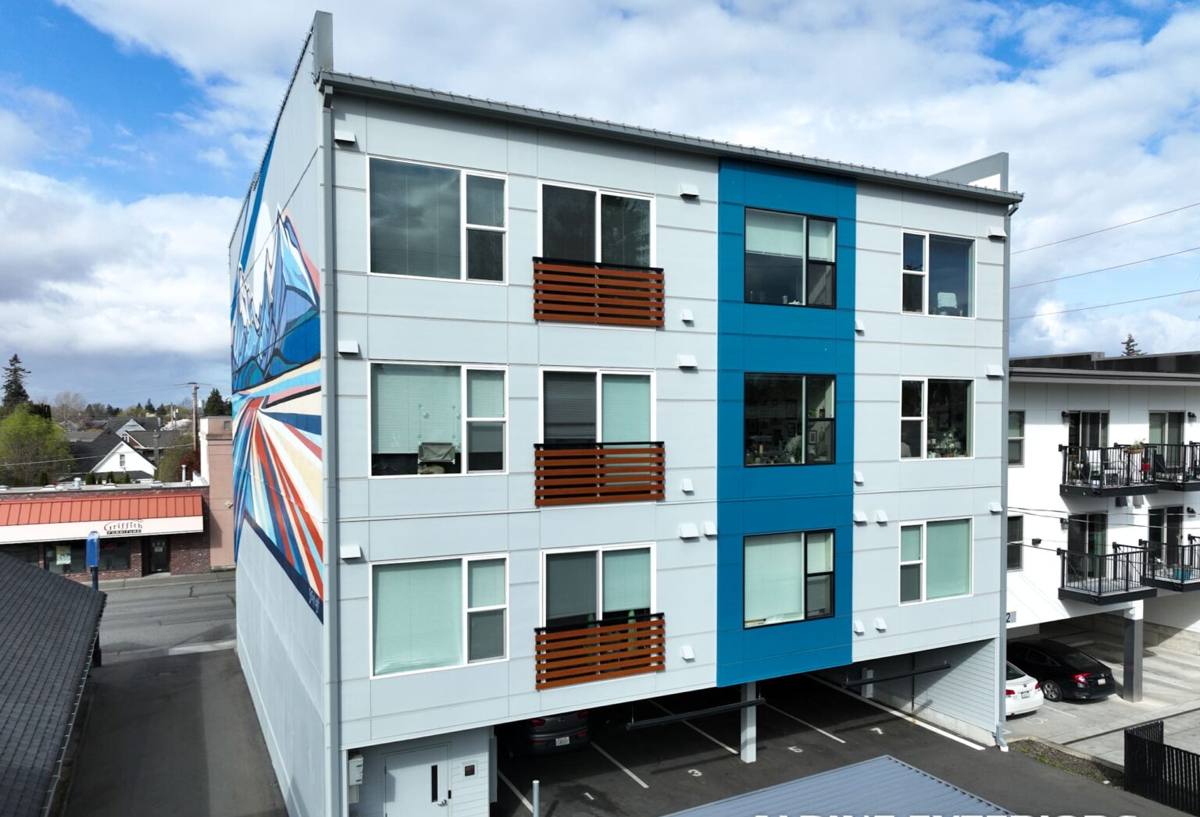
What Salt Air, Rain, and Moss Actually Do to a Window System
Each of these three factors attacks a window in a different way, and a proper installation has to account for all three at once, not just the most obvious one.
Salt Air
Airborne salt accelerates corrosion on anything metal — hinges, balance systems, screws, and cladding fasteners. Vinyl and fiberglass frames don't rust, but the hardware inside them still can if it's not rated for coastal exposure. Aluminum-clad wood windows are especially vulnerable unless the cladding and fasteners are genuinely marine-grade.
Driving Rain
Wind-driven rain doesn't just hit a window head-on — it gets pushed sideways and upward into any seam that isn't properly lapped or sealed. A window that would be fine in a calm rain climate can leak here if the flashing sequence wasn't built to shed water down and out, not just to look sealed on the surface.
Moss and Sustained Dampness
Moss thrives where surfaces stay damp for extended periods, which describes a lot of north-facing walls and shaded window trim in this area for much of the year. Moss and the moisture it holds against wood trim and sills accelerates rot, so drainage and material choice around the window opening matter as much as the window unit itself.
Signs Your Current Windows Are Losing the Battle
Because moisture problems around windows often develop behind the wall before they're visible inside, it helps to know what to watch for early.
- Soft or discolored drywall or trim directly below or beside a window
- Fogging or a permanent haze between double-pane glass (a sign the seal has failed)
- Windows that stick, won't latch fully, or have visibly warped sashes
- Moss or persistent green staining on the exterior trim or sill
- A musty smell near a window that isn't explained by anything else in the room
- Visible daylight or a draft around the frame when the window is closed and locked
- Chalky white residue or pitting on aluminum or metal components (a salt-air corrosion sign)
Any one of these on its own might be minor. Several together, especially around the same window, usually means water has been getting past the seal for a while.
What a Correct Window Installation Actually Involves
A window installation is really a small waterproofing project with a window in the middle of it. The unit itself matters, but most leaks trace back to what happens around it, not the glass or frame.
Removal Without Collateral Damage
Old windows have to come out without tearing up more of the surrounding wall assembly than necessary, especially where hidden rot is already suspected. We inspect the sheathing and framing the moment the old unit is out, before anything is covered back up.
Dealing With What We Find
In a climate like this, it's common to find some degree of soft sheathing or sill damage once the old window is removed, particularly on homes that are a couple of decades old or more. That wood gets replaced, not sealed over, before the new window goes in. Installing a new window over compromised framing just delays the same failure.
Flashing, In the Right Order
Water management around a window is a layered, shingle-style system — sill pan first, then side flashing, then the window, then a drip cap and head flashing over the top, each layer lapping over the one below it. Done out of order, or with a caulk-only shortcut, it will eventually leak in this weather even if the window itself is high quality.
Sealants Rated for the Exposure
Not every sealant on the market holds up to constant damp-dry cycling and salt exposure. We use sealants and tapes rated for that kind of movement and moisture, not general-purpose caulk that hardens and cracks within a couple of seasons.
Interior and Exterior Finish Work
Once the window is set, insulated, and flashed, trim and interior finish work close out the job. This is also the point where any exterior trim material gets chosen with moss and moisture resistance in mind, not just appearance.
Choosing the Right Window for This Location
There isn't one "correct" window brand or material for every home, but there are trade-offs worth understanding before you decide.
| Frame Material | How It Handles This Climate | Maintenance Burden |
|---|---|---|
| Vinyl | Won't corrode or rot; good sealed-unit performance for the cost | Low — occasional cleaning, no painting |
| Fiberglass | Very stable in temperature and moisture swings; strong long-term option near salt air | Low — durable finish, minimal upkeep |
| Aluminum-clad wood | Attractive, but cladding seams and fasteners need to be genuinely marine-rated or corrosion becomes a real risk | Moderate to high — depends heavily on install quality |
| Bare wood | Highest maintenance need in a damp, moss-prone environment; requires diligent upkeep to avoid rot | High — regular refinishing and inspection |
We're upfront when a client is considering a product that will demand more maintenance than they're expecting in this environment. That's not a knock on the product — it's about matching the material to how much upkeep a homeowner actually wants to commit to, especially on a home exposed to salt air and long wet seasons.
Glass and Hardware Details Worth Asking About
Beyond frame material, a few details matter more here than they would in a drier climate:
- Look for hardware (locks, hinges, balance systems) rated for coastal or marine exposure, not just standard residential-grade
- Double or triple-pane glass with an argon or krypton fill helps with both energy performance and condensation resistance
- Weep holes (the small drainage channels at the bottom of the frame) should be clear and functioning — they're easy to overlook but critical for shedding water that gets into the frame track
- Low-E glass coatings help manage the temperature swings between Birch Bay's cool, wet winters and warmer summer days
Our Process, Start to Finish
- On-site assessment — we look at each window opening individually, not just the house as a whole, since sun exposure, wind direction, and drainage vary wall to wall
- Honest product recommendation — based on your budget, the wall's exposure, and how much maintenance you want to take on
- Written estimate — clear on scope, materials, and what happens if hidden damage is found once removal begins
- Removal and inspection — old units come out, framing and sheathing get checked before anything new goes in
- Repair of any rot or damage found — addressed directly, not covered over
- Installation with full flashing and sealant system — sill pan, side and head flashing, and climate-rated sealants
- Interior and exterior finish work — trim, caulking, and a final check of operation and seal
- Walkthrough — we show you the finished work and explain anything specific to maintaining it in this environment
What Drives the Cost of a Window Installation Here
Costs for window installation vary by home, but a few factors consistently move the number more than people expect, especially in a coastal, high-moisture area like this.
| Factor | Why It Matters Here |
|---|---|
| Hidden rot or sheathing damage | Common enough in older homes near the water that it should be budgeted for as a possibility, not treated as a surprise |
| Frame material chosen | Vinyl and fiberglass are generally more cost-efficient long-term than wood or clad-wood in this climate |
| Number of window styles | Custom shapes, large picture windows, or mixed operable types add labor and material complexity |
| Wall exposure | Windows facing prevailing wind and rain direction may need more robust flashing detail than sheltered walls |
| Existing trim condition | Moss-damaged or rotted exterior trim often needs replacement alongside the window itself |
We'd rather walk you through these factors during the estimate than give a number that doesn't hold up once the old window comes off the wall.
Permits and Code Considerations
Window replacement in Whatcom County can trigger permit requirements depending on the scope of work, particularly if the rough opening size changes, if it's a bedroom egress window, or if structural framing is involved. We handle the permit conversation as part of the estimate so there are no surprises mid-project, and we build to current code for egress, safety glazing near doors and low sills, and energy performance.
A Quick Checklist Before You Hire Anyone for This Job
- Ask specifically how they flash and seal a window opening — a vague answer is a red flag
- Confirm they inspect for rot before installing, not after a complaint
- Ask whether they pull permits when required, rather than skipping that step
- Get the warranty in writing — both on the product and on the labor/installation
- Ask if they've worked specifically in Birch Bay Village or similar coastal parts of Whatcom County
Why Local Experience in Birch Bay Village Matters
A window installer who mostly works inland jobs may not think twice about weep hole placement, marine-rated fasteners, or how far wind-driven rain can push water sideways under a poorly lapped flashing detail. Those aren't universal best practices taught the same way everywhere — they're specific to what a wall actually experiences a few blocks from saltwater in Whatcom County.
Working repeatedly in this neighborhood means we've already seen which details fail first on homes like yours, and we build every installation to close those gaps from the start rather than fixing them as callbacks later.
If you're noticing drafts, moisture, or moss creeping in around your windows, or you're simply ready to upgrade before another wet season sets in, we're happy to take a look. Reach out for a free, no-pressure estimate using the form below.