 Birch Bay
 Why Blaine Windows Wear Out Faster Than Windows Inland
Blaine sits right on the water in northern Whatcom County, and that location comes with a specific set of problems for the windows on your house. Salt-laden air off the water works its way into hardware, weep holes, and metal components in a way that inland homes never have to deal with. Add in driving rain that comes in sideways during winter storms, near-constant humidity, and a moss season that can stretch from fall through spring, and you've got a climate that's genuinely tougher on window assemblies than most manufacturers design for on a national average basis.
We've replaced windows in homes across Birch Bay and Blaine that were installed correctly fifteen or twenty years ago and are still failing early — not because the glass gave out, but because the frame, the flashing, or the sealant around the opening couldn't keep up with this environment. Understanding that is the starting point for doing the job right the second time.
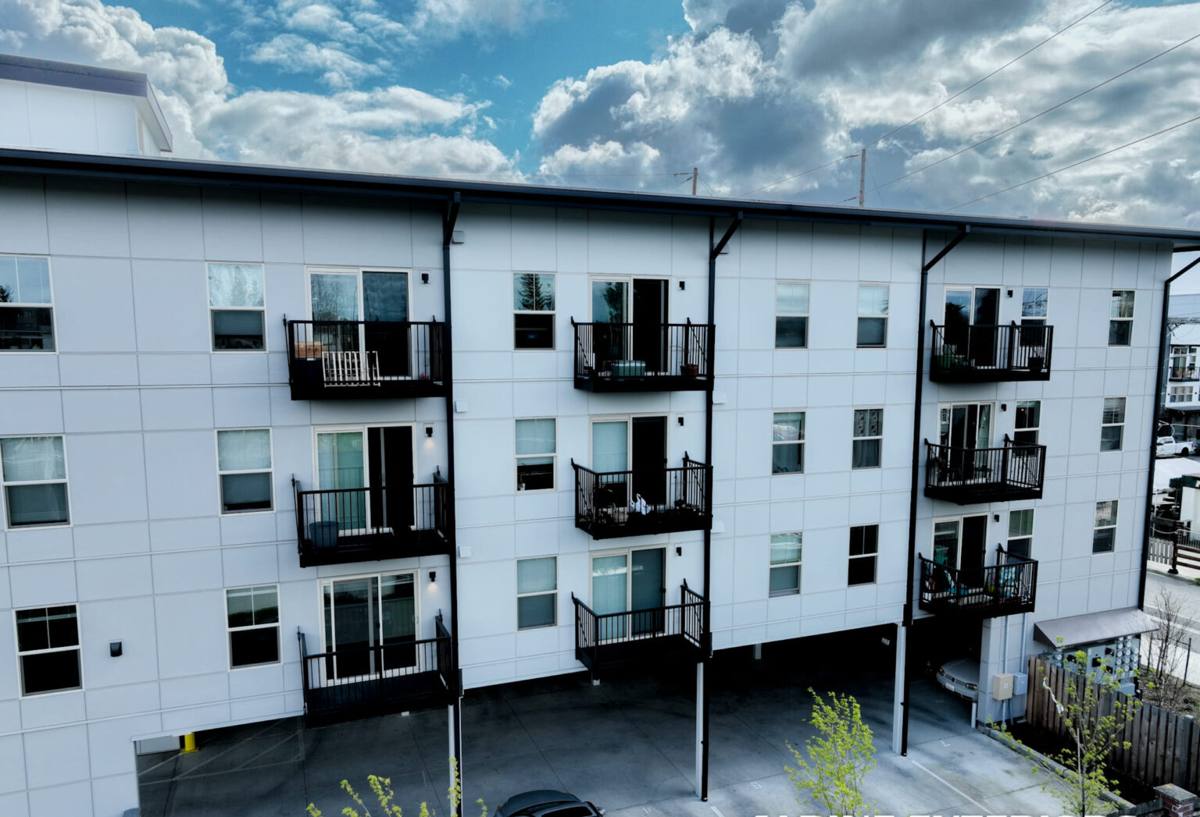
Signs a Blaine Home Actually Needs Replacement
Not every drafty window needs full replacement — sometimes a failed seal or worn weatherstripping is a cheaper fix. But there are signs that point specifically to replacement rather than repair, especially in a coastal climate like this one.
- Fogging or a permanent haze between panes of double-glazed glass — the seal has failed and moisture is inside the unit
- Visible rot, soft spots, or dark staining on the wood frame or the trim around the window
- Window that won't stay open, won't latch, or has hardware that's corroded or seized from salt exposure
- Drafts you can feel by hand along the frame edge, especially during winter wind off the water
- Condensation forming on the inside of the glass or on the interior sill during cold, wet weeks
- Paint that keeps failing on the interior trim near the window, which usually means moisture is getting into the wall cavity
If you're seeing more than one of these on the same window, replacement is almost always the more cost-effective long-term call than another round of caulk and weatherstripping.
What Moss Season Does That People Don't Expect
Moss doesn't just grow on roofs. In Birch Bay and Blaine, it establishes in window sills, in the corners of exterior trim, and in any place where wood stays damp for extended stretches. Once moss takes hold near a window opening, it holds moisture against the frame and accelerates rot in a spot you can't always see until the damage is advanced. Homes with older wood-frame windows or original wood trim are the most exposed to this.
What a Correct Window Replacement Job Actually Involves
Window replacement looks simple from the outside — old window out, new window in — but the parts that determine whether it lasts twenty years or five happen where you can't see them once the trim goes back on.
Full-Frame vs. Insert Replacement
There are two basic approaches. An insert (or "pocket") replacement fits a new window into the existing frame, leaving the old frame and exterior trim in place. It's faster and less invasive, and it's a reasonable option when the existing frame is sound and dry. A full-frame replacement removes the window down to the rough opening, including the old frame, so we can inspect the sheathing and framing underneath, replace any damaged wood, and start the flashing and sealing from scratch.
In a climate like this one, we lean toward full-frame replacement more often than we would inland — because the whole point of coastal window work is catching hidden moisture damage before it spreads, and an insert replacement can't do that if there's already rot or a failed moisture barrier behind the old frame.
Flashing and Moisture Management
This is the part of the job that actually determines whether water gets into your wall. Correct flashing means the window opening is wrapped so that any water that reaches the frame is directed back out, not into the wall cavity. That includes sill pan flashing at the bottom of the opening, proper lapping of the house wrap or building paper, and sealant used at the right points — not everywhere, and not as a substitute for physical flashing. Skipping or shortcutting this step is the single most common reason window replacements fail early in wet coastal climates, and it's invisible once the trim is back on, which is exactly why it matters who's doing the work.
Choosing the Right Window for a Blaine Home
Frame material matters more here than it does in a dry inland climate, because you're weighing how each material handles constant moisture and salt air, not just upfront cost.
| Frame Material | Coastal Durability | Maintenance | General Cost Position |
|---|---|---|---|
| Vinyl | Good — won't rot or corrode; UV can affect color/finish over many years | Low — occasional cleaning | Lower |
| Fiberglass | Very good — stable in wet/humid swings, resists warping | Low | Mid to higher |
| Aluminum | Fair — prone to corrosion from salt air unless well-finished; conducts cold | Moderate | Varies |
| Wood / wood-clad | Requires diligence — real risk of rot and moss buildup in this climate without upkeep | High | Higher |
We're honest with Blaine and Birch Bay homeowners about wood-frame windows: they can look great and perform well if they're maintained on a strict schedule, but the maintenance burden in a marine climate with a long moss season is real, and a missed year or two can lead to rot that's expensive to fix. That's a trade-off you should make with full information, not a marketing pitch — we'll install what you choose, but we'll tell you what upkeep it actually requires.
Our Process, Start to Finish
- Free on-site estimate. We walk the exterior and interior of each window being considered, check for existing rot or moisture damage, and take measurements.
- Written scope and price. You get a clear breakdown of what's being replaced, insert vs. full-frame, and the materials involved — no vague allowances.
- Removal and inspection. Old windows come out; on full-frame jobs we inspect the rough opening and framing before anything new goes in.
- Repair as needed. Any rotted wood or damaged sheathing gets addressed before the new window is set — we don't seal moisture problems behind new trim.
- Flashing, setting, and sealing. The new window is set plumb and level, flashed correctly, and sealed at the points that actually need it.
- Trim and finish. Interior and exterior trim is reinstalled or replaced to match, and the site is cleaned up — old windows and debris hauled off.
- Walkthrough. We check operation, look, and seal with you before calling the job done.
Why a Crew That Already Works Blaine and Birch Bay Matters
Window replacement done by a crew that doesn't normally work this stretch of coast tends to make the same mistakes: underestimating how much flashing and moisture protection a marine climate actually needs, using materials that aren't suited to salt air, or scheduling around weather patterns that don't match what actually happens here in the winter months. A crew based locally in Whatcom County knows how driving rain moves through this area, when moss season realistically starts and ends, and what kind of exposure a given side of a house gets depending on how close it sits to the water.
There's also a practical side to it. A local crew can get to your job site faster if something needs a follow-up look, and we're not disappearing to another region once the invoice is paid. If a question comes up six months after installation, you're calling a company that's still working in your neighborhood.
Questions Worth Asking Any Contractor Before You Hire Them
- Do you do full-frame replacement, insert replacement, or both — and how do you decide which one my house needs?
- What flashing method do you use at the sill, and will you show me before it's covered up?
- Are you licensed and insured to do this work in Washington, and can I see proof?
- What happens if you find rot or damage once the old window is out?
- What's covered under warranty — labor, materials, or both — and for how long?
Caring for New Windows Through Moss Season
New windows installed correctly still benefit from basic seasonal attention in this climate. Keep sills and tracks clear of debris and moss buildup, especially heading into fall and winter. Check that weep holes on vinyl and fiberglass frames stay clear so water can drain out rather than pool. A quick visual check after major storms — looking for new gaps in caulking or trim — catches small problems before they become expensive ones. None of this is heavy maintenance, but skipping it in a climate like Blaine's is how small issues turn into frame damage over a few seasons.
What Affects the Cost of Your Project
Every home and every opening is different, so we won't quote a number without seeing the job, but a few factors consistently move the price up or down: whether it's insert or full-frame replacement, how many windows are being done at once, frame material, window size and type (a large picture window costs more than a standard double-hung), and whether hidden rot or framing repair turns up once the old window is out. Broadly speaking, most single-window replacements in this region land in the low-to-mid four figures per opening, with full-frame work, larger openings, or higher-end materials pushing that higher. Doing multiple windows together on one visit typically brings the per-window cost down compared to one-off jobs.
If your windows are showing their age or you just want an honest read on what shape they're in, we're glad to come take a look. The estimate is free, there's no pressure, and you'll get a straight answer about whether you need replacement, repair, or nothing at all right now — just fill out the form below to get started.