 Birch Bay
 Windows Take a Different Kind of Beating in California Creek
Homes along California Creek sit close enough to the water that salt air is simply part of daily life. Add Whatcom County's driving winter rain, the long stretch of overcast, damp months that keep moss growing on anything that holds moisture, and you have a climate that is genuinely harder on windows than most parts of the country realize. A window that would last two or three decades in a dry inland climate can start failing in half that time here if it wasn't installed with this specific exposure in mind.
This page is about one job, done right, in one area: window installation for California Creek homes. Not a general overview of what windows are available everywhere, but what actually matters when the house is a few minutes from Birch Bay's shoreline and the weather comes off the Strait in from the west and northwest for a good chunk of the year.
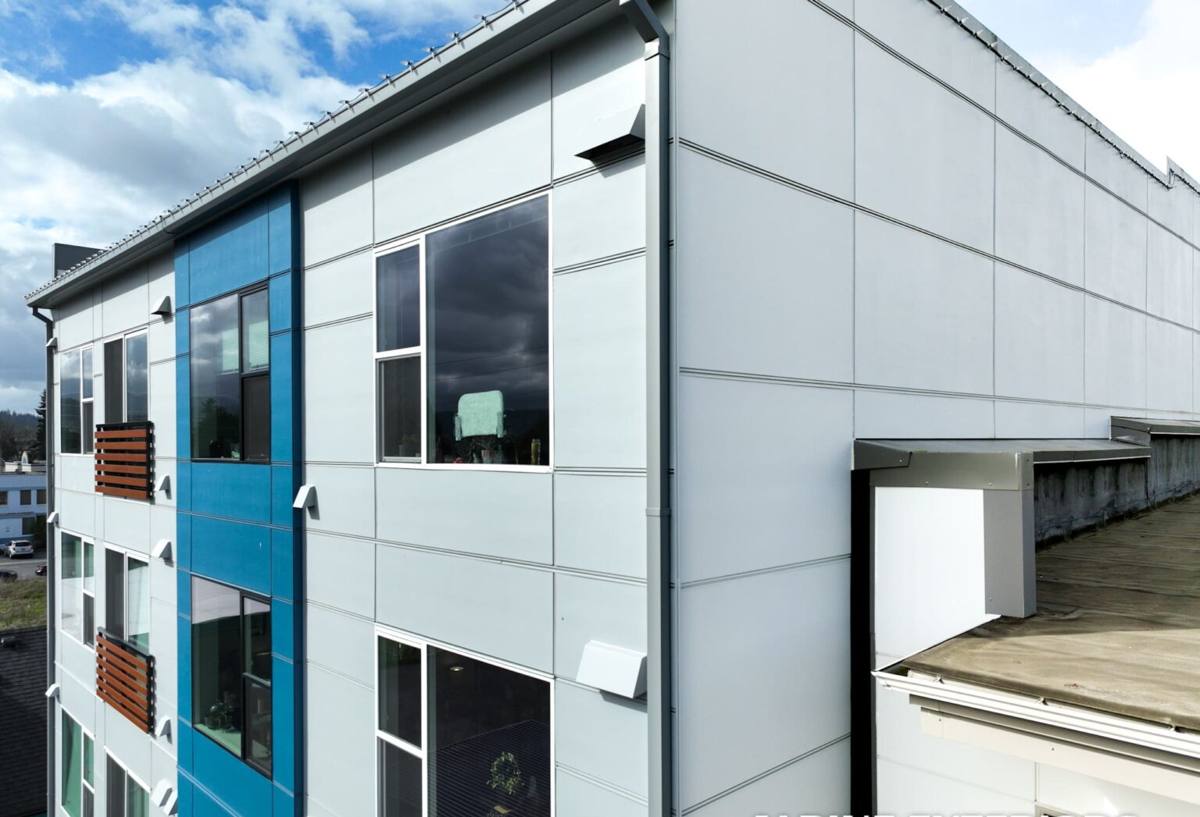
What Salt Air, Rain, and Moss Actually Do to a Window Over Time
Salt air and hardware
Airborne salt accelerates corrosion on anything metal — hinges, cranks, locks, and especially the fasteners and flashing hidden behind the trim. A window can look fine on the surface while its hardware is quietly seizing up or its concealed flashing is corroding through. This is one reason we pay close attention to the materials in the rough opening, not just the window unit itself.
Driving rain and water intrusion
Wind-driven rain doesn't just hit a window straight on — it gets pushed sideways and upward, which means water finds its way into gaps that would never see moisture in a calmer climate. If the flashing, sill pan, and sealant details aren't done correctly, water gets behind the window and into the wall framing, where it can sit for months without anyone knowing until there's staining, soft trim, or a musty smell.
Moss and prolonged dampness
Whatcom County's long moss season means anything that stays damp — sills, bottom corners of frames, the trim below a window — becomes a place where moss and algae can take hold. Beyond the appearance issue, sustained dampness against wood trim or an improperly sealed frame edge speeds up rot and paint failure.
What a Correct Window Installation Involves
A window installation is not just popping a new unit into an old opening. Done correctly, it's a sequence of steps that each matter for keeping water out over the long run:
- Opening inspection: checking the existing sill, framing, and sheathing for hidden rot or soft wood before anything new goes in
- Sill pan flashing: a sloped, sealed pan at the bottom of the opening so any water that does get past the window drains back outside instead of into the wall
- Proper integration with the house wrap or building paper: flashing tape and house wrap need to be layered correctly — like shingles — so water sheds outward at every layer, not just at the window itself
- Correct window sizing and shimming: a window that's out of square or improperly shimmed will stress the frame, bind the hardware, and open gaps over time
- Insulation of the gap between frame and rough opening: without it, that gap becomes a path for both air and moisture
- Exterior sealant at the right joints only: sealing everything solid sounds thorough, but it can trap water behind the window instead of letting it drain — sealant placement matters as much as sealant use
- Interior and exterior trim reinstalled or replaced cleanly, with attention to any trim that showed early signs of moisture damage
Skipping or rushing any one of these steps is usually invisible on installation day. The problems show up a year or two later, which is exactly why the installation matters more than the window brand in a climate like this.
Choosing a Window Frame Material for a Coastal Whatcom County Home
There's no single "best" window material for every house — it depends on budget, the home's age and style, and how much upkeep the owner wants to take on. Here's how the common options actually compare for a home exposed to salt air and sustained damp weather:
| Frame Material | Coastal Moisture Behavior | Maintenance | Typical Trade-offs |
|---|---|---|---|
| Vinyl | Won't rot or corrode; performs well in salt air | Low — occasional cleaning | Limited color options; can look less traditional on older homes |
| Fiberglass | Very stable in moisture and temperature swings; holds paint well | Low to moderate | Higher upfront cost than vinyl |
| Wood (unclad) | Requires diligent upkeep near salt air and damp shade | High — regular painting/sealing | Best traditional appearance, but the maintenance burden is real in this climate |
| Wood-clad (aluminum or vinyl exterior) | Good if cladding and seams are installed and sealed correctly | Low exterior, moderate interior | Installation sensitivity — poor detailing at the cladding seams can trap moisture against the wood core |
We're upfront with homeowners about this: an unclad wood window can look great, but in a spot that gets this much driving rain and shaded dampness, it asks a lot of whoever maintains it. That's not a knock on wood windows — it's just an honest trade-off worth knowing before you decide.
Our Installation Process
For a California Creek home, our process generally runs like this:
- On-site assessment — we look at every opening being replaced, checking the condition of the existing sill, framing, and any trim that shows signs of past moisture
- Honest scope and estimate — including whether we expect to find hidden rot once old windows and trim come out, so there are no surprise change orders later
- Careful removal — protecting siding, landscaping, and interior finishes around each opening
- Repair of any framing or sheathing issues found — this is common enough near the water that we budget time for it rather than treating it as a surprise
- Sill pan and flashing installation — done in the correct shingle-lap sequence with the existing or new house wrap
- Window setting, shimming, and squaring — checked before anything is sealed shut
- Insulation and air sealing of the perimeter gap
- Trim and finish work, matching the home's existing style where we're not doing a full trim replacement
- Final walkthrough — operating every window, checking locks and cranks, and reviewing basic care with the homeowner
Warning Signs of a Rushed or Incorrect Past Installation
We're regularly called out to homes in the Birch Bay area where a previous window installation was done too quickly or without the right flashing details. If you're wondering whether your current windows were installed correctly, look for:
- Staining or dark streaks on the wall below a window, especially after a heavy rain
- Soft or spongy trim at the base of a window frame
- Moss or persistent green growth on the sill or lower frame corners
- Windows that are difficult to open, close, or lock — often a sign the frame has shifted out of square
- Visible gaps between the window frame and the siding or trim
- A musty smell near a window that isn't explained by anything else in the room
- Condensation forming between the panes, which usually means a failed seal on the glass unit itself
None of these mean a homeowner did anything wrong — they're usually the result of an installation that didn't account for how much water this climate throws at a house. Catching them early is a lot cheaper than waiting.
What Affects the Cost of Window Installation Here
Costs vary enough from house to house that we avoid quoting numbers without seeing the job, but the main factors are consistent:
| Factor | Why It Matters |
|---|---|
| Number and size of openings | More or larger windows means more material and labor |
| Condition of the existing framing | Hidden rot near a coastal home adds repair time before the new window can go in |
| Frame material chosen | Vinyl, fiberglass, and wood-clad options carry different material costs |
| Glass package | Upgraded low-E coatings or gas-filled units cost more but perform better against temperature swings and condensation |
| Trim scope | Whether trim is reused, repaired, or fully replaced changes both material and labor time |
| Access and site conditions | Second-story openings or tight access around the home add time |
We'd rather walk a homeowner through these factors during an estimate than throw out a number that doesn't hold up once we're actually into the job.
Why Hiring a Crew That Already Works in California Creek Matters
Window installation done correctly for a home two hours inland and one done correctly for a home near Birch Bay's shoreline are not quite the same job. The flashing sequence, the attention to hidden framing condition, and the frame material conversation all shift once salt air, driving rain, and a long moss season are part of the equation. A crew that regularly works in this specific area already knows which details tend to get missed on rushed jobs nearby, and builds around them from the start rather than learning it the hard way on your house.
Whatcom County's coastal weather isn't unusual to us — it's the baseline we plan for on every opening we touch, whether that's one replacement window or a full-home reglazing project.
Caring for New Windows After Installation
A correct installation gets a window most of the way to a long service life, but a little upkeep helps it go the distance in this climate:
- Rinse salt residue off exterior frames periodically, especially after storms
- Clear moss or debris from sills and tracks before it builds up
- Check exterior sealant lines yearly for cracking or gaps
- Operate locks and cranks a few times a year so hardware doesn't seize
- Watch for condensation between panes, which signals a seal issue worth addressing early
If you're weighing window replacement for a California Creek home, we're happy to take a look and give you a straightforward, no-pressure estimate — just fill out the form below.