 Birch Bay
 Terrell Creek Roofs Work Harder Than Most
Terrell Creek sits close enough to the water that homes here deal with a combination most inland roofs never see: salt-laden air, wind-driven rain coming off the bay, and a moss season that can stretch for most of the year in our marine climate. Any one of those on its own is manageable. Together, they shorten the useful life of a poorly installed or poorly ventilated roof faster than most homeowners expect. A roof that would last two or three decades in a dry inland climate can start showing real problems in half that time here if it wasn't built for the conditions.
That's the lens we use for every new roof installation in Terrell Creek: not just "will this shed water," but "will this hold up to salt air corrosion, wind-driven moisture intrusion, and near-constant dampness feeding moss and algae growth."
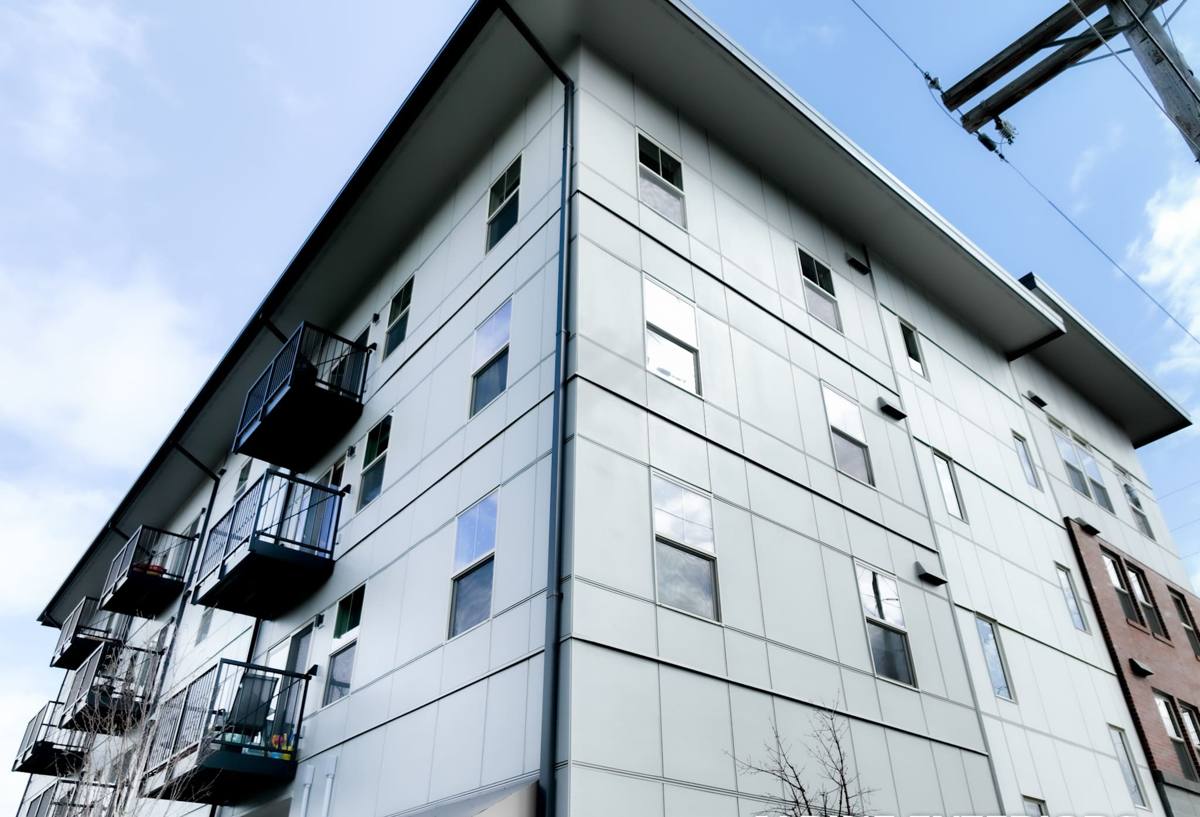
Signs a Terrell Creek Home Needs a New Roof, Not Another Repair
Patching is often the right call for an isolated problem. But once a roof is failing in multiple spots, or the underlying materials have been degrading for years under moss and moisture, patch-and-repeat stops making financial sense. Common signs we see on Birch Bay and Terrell Creek homes include:
- Shingles that are cupping, curling, or losing granules in patches, especially on north- and west-facing slopes that stay damp longest
- Moss established at the shingle edges and in valleys, not just on the surface — a sign it's been growing long enough to lift material
- Soft spots or sagging in the roof deck, often found only once old shingles or moss mats are pulled back
- Rust streaking or corrosion at flashing, vents, or metal fasteners from prolonged salt air exposure
- Interior staining on ceilings or in the attic after wind-driven rain, even if there's no obvious exterior leak
- A roof original to the home and past 20-25 years old, regardless of how it looks from the ground
If you're seeing two or more of these, a full replacement is usually more cost-effective than continuing to chase repairs.
What a Correct Installation Actually Involves
A new roof is only as good as what's underneath the shingles or panels. Most premature roof failures we see in this area trace back to shortcuts in the layers homeowners never see, not the visible roofing material itself.
Tear-Off and Deck Inspection
We remove the old roofing down to the deck rather than layering over it. This lets us actually see the plywood or sheathing underneath and replace any sections that have gone soft from long-term moisture or moss root intrusion — something you cannot assess or fix by roofing over the top.
Underlayment and Water Protection
Given how much wind-driven rain this area gets off the water, we pay close attention to underlayment coverage, not just the minimum code requirement. Eaves, valleys, and any low-slope transitions get extra water-resistant protection, since these are the spots where driving rain is most likely to work its way under standard shingles.
Ventilation
Proper intake and exhaust ventilation keeps the attic space dry and temperature-balanced. In a damp coastal climate, poor ventilation traps moisture against the underside of the deck, which accelerates rot and creates ideal conditions for mold — problems that show up years after installation if this step is skipped or under-specified.
Flashing and Roof-to-Wall Details
Chimneys, skylights, dormers, and roof-to-wall intersections are where most leaks actually start, not in the open field of shingles. We install new flashing at every one of these transitions rather than reusing old pieces, and use corrosion-resistant materials given the salt air exposure this close to Birch Bay.
Material Choices for a Coastal Whatcom County Home
There's no single "best" roofing material for every home — the right choice depends on your home's exposure, roof pitch, budget, and how much long-term maintenance you want to take on. Here's how the common options stack up for a Terrell Creek property specifically:
| Material | How It Handles Salt Air & Rain | Moss Resistance | Typical Lifespan Here |
|---|---|---|---|
| Architectural asphalt shingles | Good, with quality flashing and fasteners | Moderate — benefits from algae-resistant granules | 20-30 years |
| Standing seam metal | Excellent with coated/corrosion-resistant panels and fasteners | High — smooth surface sheds moss more easily | 40-50+ years |
| Composite/synthetic shingle | Good, less prone to granule loss from salt exposure | Moderate to high depending on product | 30-40 years |
| Cedar shake | Requires more maintenance in damp, salty conditions | Low without regular treatment | Varies widely with upkeep |
For most Terrell Creek homes, we steer homeowners toward architectural asphalt with algae-resistant granules or standing seam metal, since both hold up well against the specific combination of salt exposure and sustained dampness in this area. Cedar shake can look great, but it demands a maintenance commitment that many owners underestimate once they're living with it through a wet Whatcom County winter.
Our New Roof Installation Process
Every home is different, but the sequence we follow stays consistent so you know what to expect and when:
- On-site inspection and honest assessment of whether repair or replacement makes sense for your situation
- Written estimate covering material options, scope of work, and timeline — no pressure to decide on the spot
- Scheduling built around weather windows, since a dry stretch matters more here than in drier climates
- Full tear-off and deck inspection, with any damaged sheathing replaced before anything new goes down
- Underlayment, ice/water protection at vulnerable areas, and new flashing at every penetration and transition
- Installation of the new roofing material to manufacturer specifications, including proper nailing patterns and exposure
- Ventilation check and adjustment to make sure intake and exhaust are balanced for the finished roof
- Final walkthrough and cleanup, including a magnetic sweep for stray fasteners around the property
Moss, Algae, and What Happens After Installation
A new roof doesn't make a home immune to moss — it just gives you a clean start and the right materials to slow it down. Whatcom County's long damp season means moss spores are present nearly year-round, and north-facing or heavily shaded slopes will always be more susceptible than sun-exposed ones. A few things make a real difference after installation:
- Keeping gutters and valleys clear so water doesn't sit and feed moss growth
- Trimming back overhanging branches that keep sections of roof shaded and damp
- Choosing algae-resistant shingles or a smoother material like metal where moss has historically been worst
- Scheduling a light moss treatment or soft wash periodically rather than waiting until growth is established
We're happy to point out the areas of your roof most likely to need this kind of attention once the new roof is in, based on your home's orientation and tree cover.
Why Hiring a Crew That Already Works in Terrell Creek Matters
Roofing crews without local experience often specify materials and details based on generic climate assumptions, not the specific combination of salt air, wind-driven rain, and moss pressure that Birch Bay and Terrell Creek homes actually face. That shows up later as premature flashing corrosion, moisture trapped by inadequate ventilation, or moss establishing itself faster than it should on a new roof.
Working this area regularly means we know which slopes and roof styles tend to hold moisture longest, which fastener and flashing materials actually hold up to the salt air here, and how local permitting and inspection works for Whatcom County. That local knowledge is baked into the estimate and the installation, not an afterthought.
What to Ask Any Roofing Contractor Before You Hire
Whether you go with us or someone else, these questions will tell you a lot about whether a contractor is set up to do the job right in this climate:
- Do they do a full tear-off and deck inspection, or offer to roof over the existing layer?
- What underlayment and ice/water protection do they use at eaves and valleys specifically?
- Are they licensed and insured to work in Washington, and can they provide proof?
- Do they replace flashing at every penetration, or reuse existing flashing to cut cost?
- How do they address attic ventilation as part of the roofing scope, not as a separate add-on?
- Can they point to manufacturer certifications for the materials they're installing?
If a contractor can't give clear, specific answers to these, that's worth noting before you sign anything.
Get a Straightforward Estimate for Your Terrell Creek Roof
If your roof is showing wear, or you just want an honest opinion on whether repair or replacement makes more sense for your home, we're glad to take a look. There's no pressure and no obligation — just a clear assessment and a written estimate you can take your time reviewing. Use the form below to request your free estimate.