 Birch Bay
 Window Installation for Sumas Homes: What the Local Climate Demands
Sumas sits in the Whatcom County lowlands, close enough to the coast and the foothills to catch the worst of both worlds: long stretches of driving rain off the Pacific, damp air that never quite dries out between storms, and the kind of persistent moisture that keeps moss and mildew in business nearly year-round. Whether a home is a few miles inland or closer to the salt air near Birch Bay, the same basic problem applies to every window in this county: water finds the weak spot, and it finds it eventually.
Window installation isn't just a carpentry task here. It's a water-management job first and a fit-and-finish job second. A window that looks perfectly installed but wasn't flashed and sealed correctly for this climate will show it — usually two or three winters later, when it's already done damage behind the wall.
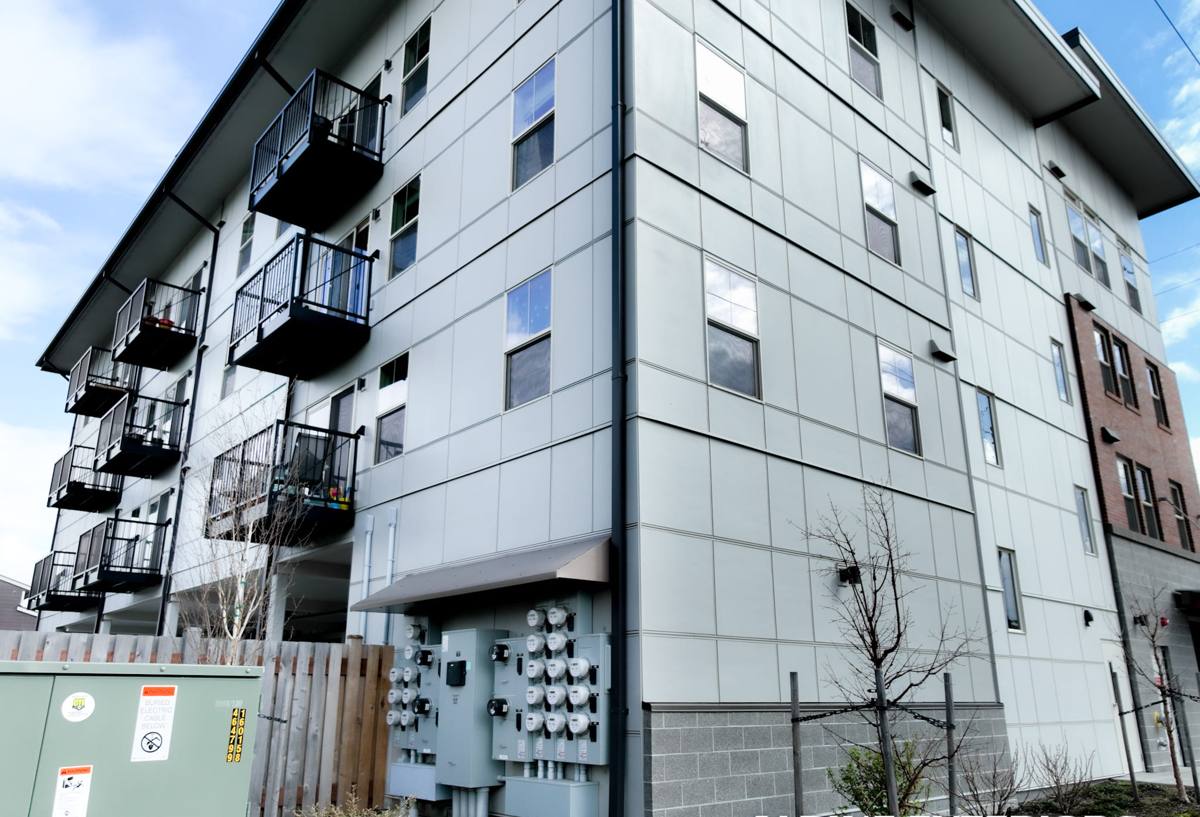
What Whatcom County Weather Actually Does to Windows Over Time
It helps to understand the specific stresses a Sumas home puts on its windows, because it explains why installation quality matters more here than in a drier climate:
- Wind-driven rain pushes water sideways and upward against the window, not just straight down — this is what defeats a poorly lapped flashing job.
- Prolonged dampness between storms keeps wood trim, sills, and any exposed sheathing wet longer than they'd stay wet in a dry-summer climate, which speeds up rot if water gets behind the cladding.
- A long moss and algae season means anything that traps standing water — a sill without proper slope, a poorly caulked joint — becomes a growth surface, and that growth holds moisture against the building even longer.
- Temperature swings between summer and winter, while not extreme, are enough to expand and contract window frames and the surrounding building materials, which stresses caulk joints and can open small gaps over a few seasons.
None of these are exotic problems. They're the ordinary cost of doing business in this part of Washington. But they mean a window installation has to be done with water management as the top priority, not an afterthought.
What a Correct Window Installation Involves
Flashing and Water Management
This is the part of the job nobody sees once the trim goes back on, and it's the part that matters most. The rough opening needs to be flashed so that water is shed downward and outward at every layer — sill pan first, then side flashing that laps over it, then the housewrap integrated over the top flange so any water running down the wall sheds past the window instead of behind it. Skip or shortcut this sequence and the window can look fine for years while quietly rotting the framing underneath.
Insulation and Air Sealing
The gap between the window frame and the rough opening needs to be insulated — not packed tight with fiberglass, which can restrict the window's ability to operate and won't seal air gaps, but filled with a low-expansion foam or backer rod and sealant designed for window installation. Done right, this cuts drafts and keeps the frame from transmitting outside temperature into the interior trim.
Fastening and Structural Fit
Every window has a manufacturer-specified fastening schedule — where the screws or nails go, how many, and how far from the corners. Installers who skip this in the name of speed end up with windows that don't sit square, which stresses the seals and shortens the life of the unit. A correctly fastened window operates smoothly for decades; an improperly fastened one starts binding or leaking within a few years.
Choosing the Right Window for a Sumas Home
There's no single "best" window — the right choice depends on the home's age, siding type, budget, and how much upkeep the owner wants to do. Here's an honest comparison of the main options we install:
| Frame Material | Moisture Performance | Maintenance | Typical Lifespan |
|---|---|---|---|
| Vinyl | Excellent — won't rot, doesn't absorb water | Low — occasional cleaning | 20–30+ years |
| Fiberglass | Excellent — dimensionally stable in wet/dry cycles | Low | 30–40+ years |
| Wood (unclad) | Fair — needs consistent upkeep to prevent rot in this climate | High — repainting/resealing on a schedule | Varies widely with maintenance |
| Wood-clad (vinyl or aluminum exterior) | Good — exterior is protected, interior wood look preserved | Moderate | 25–35 years |
Our standard recommendation for most Sumas homes is vinyl or fiberglass for the exterior-facing performance, because both shrug off the region's damp cycles without the ongoing maintenance that unclad wood demands. That's a maintenance-and-moisture judgment, not a knock on wood windows properly maintained — some homeowners want that look and are willing to keep up the upkeep, and we'll install a quality wood or wood-clad window correctly if that's the right fit for the house.
Signs Your Current Windows Are Due for Replacement
Not every window problem means full replacement — sometimes it's a re-caulk or a hardware fix. But watch for these signs, which usually mean the window itself, or the way it was installed, has failed:
- Fogging or condensation between the panes (a sign the seal on a double-pane unit has failed)
- Visible gaps, soft spots, or discoloration in the trim or sill around the window
- Drafts you can feel near a closed window on a windy day
- Windows that are difficult to open, close, or lock, or that don't sit flush anymore
- Paint or finish that keeps failing in the same spot near a window, even after repainting
- A noticeably higher heating bill compared to similar homes nearby
- Moss or dark staining building up on or just below the sill
If you're seeing more than one of these, it's worth having someone look at both the window and what's happening behind the trim before it becomes a bigger repair.
Our Installation Process
Every job follows the same sequence, regardless of window brand or home style:
- On-site assessment. We look at the existing window, the surrounding wall assembly, and any signs of past water intrusion before we quote anything.
- Accurate measurement and product selection. We measure the actual opening (not just the old window) and help you choose a frame material and glass package suited to that opening and the home's exposure.
- Careful removal. Old windows come out without unnecessary damage to the surrounding siding or trim, and we check the sheathing and framing underneath for hidden rot before installing anything new.
- Flashing and sill pan installation. This is done to a consistent standard on every job — it's the step that determines whether the window stays dry for the next twenty years.
- Setting, shimming, and fastening the window so it's square, level, and fastened per the manufacturer's schedule.
- Insulating and air-sealing the gap between frame and rough opening.
- Exterior and interior trim finish work, sealed and caulked at every joint that faces weather.
- Final walkthrough where we check operation, sightlines, and answer questions before we consider the job done.
What Window Installation Typically Costs — and What Drives the Price
Costs vary by window size, frame material, glass package, and how much of the surrounding trim or siding needs to be opened up, so we won't quote a number without seeing the job. What we can tell you is what moves the price:
| Cost Factor | Why It Matters |
|---|---|
| Frame material | Vinyl is typically the most budget-friendly; fiberglass and wood-clad cost more upfront but differ in lifespan and maintenance |
| Glass package | Double-pane vs. triple-pane, and low-E coatings, affect both price and energy performance |
| Replacement type | A pocket (insert) replacement into an existing frame costs less than a full-frame replacement that exposes the rough opening |
| Condition behind the old window | Hidden rot or water damage found during removal adds repair scope before the new window can go in |
| Number and size of openings | Larger openings and multi-window jobs have different labor and material needs than a single standard window |
We'd rather find rot or a bad flashing job during a free estimate than let it stay hidden behind a new window that looks fine for a few years and then fails.
Why Hiring a Crew That Already Works in Sumas Matters
Window installation done to a national average standard doesn't necessarily hold up in Whatcom County's rain patterns. A crew that works this area regularly knows to treat flashing and sill pans as non-negotiable, not optional upgrades, because they've seen what happens on the repair side when a previous installer skipped them. That local track record shows up in the details — how sills are sloped, how flashing is lapped, how trim is sealed — the parts of the job that determine whether a window is still performing well a decade from now, not just on move-in day.
It also means straightforward communication about what a Sumas home actually needs versus what's marketed as an upgrade. Not every home needs triple-pane glass or premium cladding — plenty do fine with a solid mid-range vinyl window installed correctly. We'll tell you which is which.
Get a Free, No-Pressure Estimate
If your windows are showing their age, letting in drafts, or you're planning ahead for a replacement project, we're happy to take a look and give you a straightforward assessment — no pressure, no obligation. Use the form below to request a free estimate for window installation at your Sumas home.