 Birch Bay
 Siding Replacement for Lummi Island Homes
Lummi Island is reached only by ferry, a short crossing from the Whatcom County mainland, and that setting shapes more than the pace of life out there — it shapes how hard the weather works on a house. Homes on the island sit close to open water on every side, which means salt-laden marine air, wind-driven rain coming off the Strait, and a moss season that can run most of the year on shaded and tree-covered walls. It's a demanding climate for exterior materials, and it's exactly the kind of environment that separates a siding job built to last decades from one that starts failing in five or six years.
We install James Hardie fiber cement siding exclusively, and for a Lummi Island property we don't treat that as optional. This page walks through what the island's climate actually does to siding, what a correct replacement job involves, and why the details matter more here than they do on a sheltered inland lot.
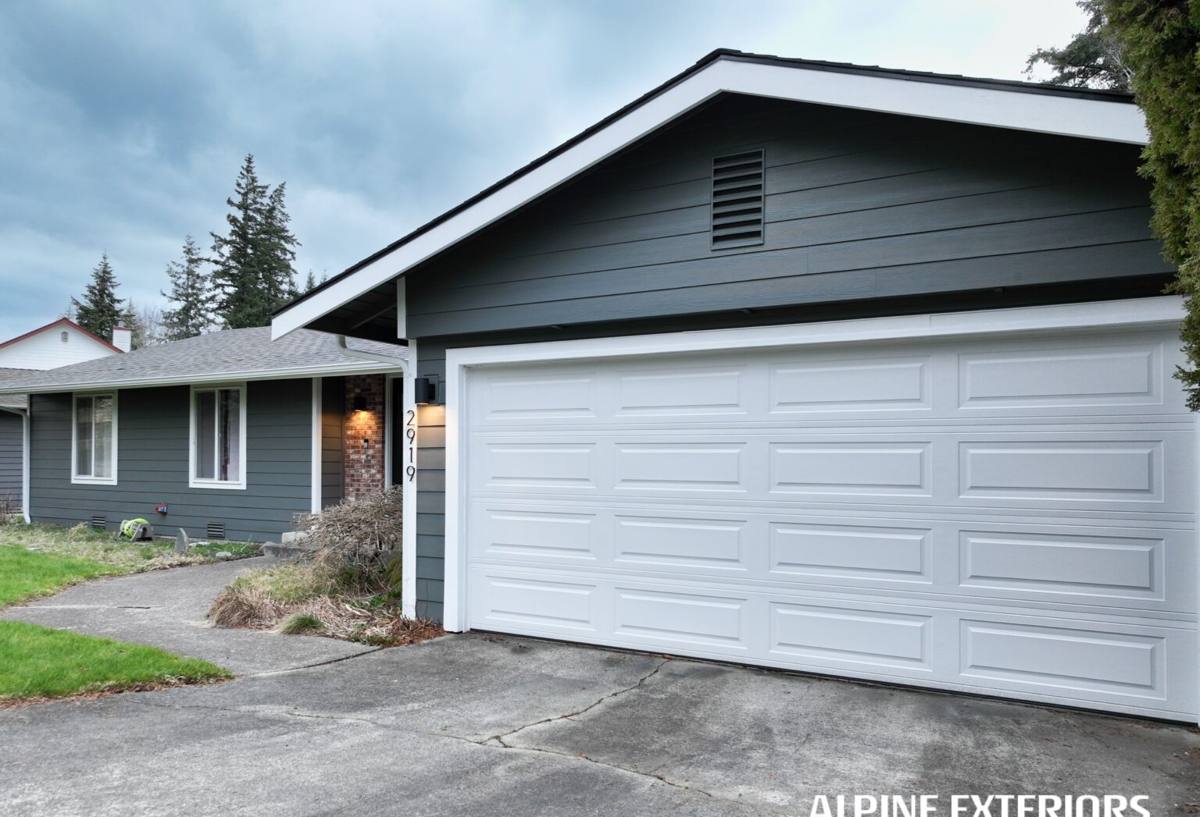
What Lummi Island's Climate Does to Siding
Salt Air and Direct Marine Exposure
Being surrounded by water means Lummi Island homes take a steadier, heavier dose of salt-laden air than most mainland properties even a few miles inland. Salt accelerates corrosion in fasteners, flashing, and metal trim, and it breaks down lower-grade paint and caulk faster than a drier climate would. Any material or piece of hardware on the exterior of an island home needs to be chosen with that corrosion exposure in mind, not just for how it looks going on.
Driving Rain Off the Water
Open water on every side also means more sustained wind, and wind-driven rain doesn't fall straight down — it gets pushed sideways into siding laps, corner trim, and window and door flashing. That's a heavier real-world moisture load than an annual rainfall number suggests. Siding installed to a minimum standard, with joints simply butted together or flashing treated as an afterthought, tends to leak here well before it would on a calmer, more sheltered site.
A Long Moss Season
Mild temperatures, tree cover, and near-constant moisture add up to a moss and mildew season that can stretch across most of the year on shaded and north-facing walls. It usually shows up as green staining or soft growth first, and it's more than a cosmetic problem — sustained moss and algae growth holds water directly against the wall surface, which is the exact condition that leads to trapped moisture and, eventually, hidden rot underneath.
Signs a Lummi Island Home Needs Siding Replacement
What You Can See From the Ground
Paint that's chalking, peeling, or failing faster than it used to is often the first visible sign that a siding system is no longer sealing the wall behind it. Beyond paint, look for cupping or warping at panel edges, soft spots you can press a finger into, persistent moss or algae staining on shaded walls that comes back quickly after cleaning, and gaps opening up at seams, corners, or trim joints.
What's Often Happening Behind the Wall
The damage that actually matters most is usually the kind you can't see from the driveway. Water that's been working its way behind failing siding for a season or two can rot sheathing and framing well before any of that shows up as a visible bulge or stain on the outside. A musty smell near an exterior wall, soft drywall or trim on an interior wall, or an unexplained jump in heating costs can all be signs that a wall assembly has stopped doing its job, even if the siding still looks passable from a distance.
Why We Install Only James Hardie Fiber Cement
We used to work with a broader range of siding products. We don't anymore, and that change came directly from what we kept finding on island and waterfront tear-offs — not from a supplier deal or a sales pitch. In a climate that combines salt air, wind-driven rain, and a long wet season, the case for fiber cement over the alternatives is a practical one, not a brand preference.
- Non-combustible core: Fiber cement doesn't feed a fire the way wood-based siding can, which matters for household safety and can matter for insurance underwriting as well.
- Factory-applied ColorPlus finish: The color is baked on under controlled factory conditions instead of brushed on in the field, so it resists fading, chalking, and moisture intrusion far longer than site-applied paint holds up.
- Climate-engineered HZ product lines: Hardie's HZ5 formulation is built for regions with sustained moisture exposure, which describes a Lummi Island property about as directly as any description could.
- Dimensional stability: Fiber cement doesn't swell, cup, or warp the way engineered wood siding can after repeated wet-season moisture cycles.
- Strong transferable warranty: Hardie backs its products with a solid warranty structure, provided the installation follows spec — real protection, not a marketing line.
We don't install LP SmartSide, vinyl siding, Cemplank, Allura, primed spruce, or cedar. Each has a place in the broader market, and plenty of homeowners elsewhere are satisfied with them. But on an island exposed to salt air and open water on every side, we've made a professional call that one system we fully stand behind is worth more to a homeowner than a cheaper option that quietly shifts maintenance risk onto them a few years down the road.
What a Correct Installation Involves
Material choice only gets a Lummi Island home halfway there. The rest comes down to installation detail, and on an exposed island property those details carry more weight than they would on a sheltered inland lot.
Tear-Off and Substrate Check
A proper job starts with removing the old siding entirely, not covering over it, so the crew can see the actual condition of the sheathing and framing underneath. This is usually where hidden water damage first gets found and where the real scope of a job gets set.
Weather-Resistive Barrier and Flashing
A correctly lapped house wrap or weather-resistive barrier, paired with properly integrated flashing at every window, door, and roof-to-wall transition, is what actually keeps wind-driven rain out of the wall assembly. Caulk is a backup layer, not the primary defense — a job that leans on caulk to cover gaps in the flashing is a job that will need attention again within a few years.
Fastening and Clearance
Corrosion-resistant fasteners, correct nailing patterns, and proper clearance from grade, roof lines, and decks all matter more in salt air than they do inland. Siding installed too close to the ground or to a roof surface will wick moisture and hold it against the material regardless of how good the material itself is.
Cost Factors for Siding Replacement on Lummi Island
| Factor | What It Affects | Why It Matters Here |
|---|---|---|
| Tear-off vs. overlay | Labor scope and hidden-damage discovery | A full tear-off is the only way to catch rot that's been building behind older siding in a wet marine climate |
| Substrate repair | Cost of replacing damaged sheathing or framing before new siding goes on | Salt air and driving rain accelerate hidden moisture damage compared to an inland home |
| Ferry logistics and scheduling | Material delivery timing and crew mobilization | Materials, equipment, and crew all move on ferry schedules, so a project timeline needs to plan around that rather than against it |
| Hardware and fastener grade | Long-term corrosion resistance | Standard fasteners degrade faster in direct salt air, which shortens the life of an otherwise correct install |
| Home size and complexity | Labor time and material quantity | Multiple stories, dormers, and cut-up rooflines add trim and flashing detail regardless of location |
Exact numbers depend on the specific home and its exposure, which is why we walk the property in person rather than quoting off a generic price sheet.
Our Process, Start to Finish
We start with an on-site walk-through of the home, looking at the current siding, trim, and any visible signs of moisture damage, and we're upfront about whether you're looking at a repair, a partial re-side, or a full replacement. From there we put together a clear written scope and timeline that accounts for ferry scheduling for materials and crew, so the project moves efficiently instead of losing days to logistics nobody planned for. Once work begins, tear-off, substrate repair, weather barrier and flashing work, and the new Hardie siding all follow in sequence, with a final walkthrough before we consider the job done.
Why Hiring a Crew That Already Works Lummi Island Matters
Working on an island adds a layer most mainland jobs don't have to think about — every delivery of materials, every piece of equipment, and every crew member's schedule has to work around ferry sailings. A crew that already does jobs on Lummi Island has that logistics problem solved before they ever show up, which means fewer delays and a tighter, more predictable timeline. Beyond logistics, a crew with real island experience also knows how salt air, wind-driven rain, and heavy moss actually behave on homes out here over a full year, not just how a product performs on a spec sheet — and that shapes real decisions on install day, like which walls need extra flashing attention and which fastener grade is worth the added cost.
Siding Replacement Readiness Checklist
- Walls checked for soft spots, cupping, or gaps opening at seams and corners
- Shaded and north-facing walls checked for moss or algae that returns quickly after cleaning
- Trim and flashing around windows, doors, and roof-to-wall transitions inspected for cracking or separation
- Interior walls near exterior siding checked for soft drywall, staining, or musty odor
- Grade clearance confirmed so siding isn't sitting too close to wet ground
- Current material condition weighed honestly against the cost and disruption of another wet season of deferred maintenance
Caring for New Siding on the Island
Even the right material installed correctly benefits from basic upkeep in this climate. Rinsing off salt residue and organic buildup on shaded walls once or twice a year keeps moss from getting a foothold, and a quick annual look at caulking around windows, doors, and trim catches small gaps before they become entry points for wind-driven rain. Because scheduling any follow-up work also has to work around the ferry, it's worth handling these small checks proactively rather than waiting until something needs a full repair visit.
If your Lummi Island home needs new siding, or you just want an honest read on what your current siding is telling you, we're happy to take a look. Reach out using the form below to schedule a free, no-pressure estimate.