 Birch Bay
 Window Replacement Built for Lummi Island's Conditions
Lummi Island sits out in the marine air of Whatcom County, and that changes what a window replacement job actually needs to accomplish. Homes here take a steadier beating from salt-laden air, wind-driven rain, and a long stretch of gray, damp months than a lot of inland properties ever see. A window that's rated fine on paper can still fail early if it's not detailed correctly for this kind of exposure. This page is about what that means in practice for island homeowners considering a replacement, not a generic rundown of window types.
We work throughout Birch Bay and the surrounding Whatcom County coastline, and Lummi Island is part of that regular route. That matters more than it sounds like — island jobs have their own logistics, and a crew that's used to them plans differently than one that's showing up for the first time.
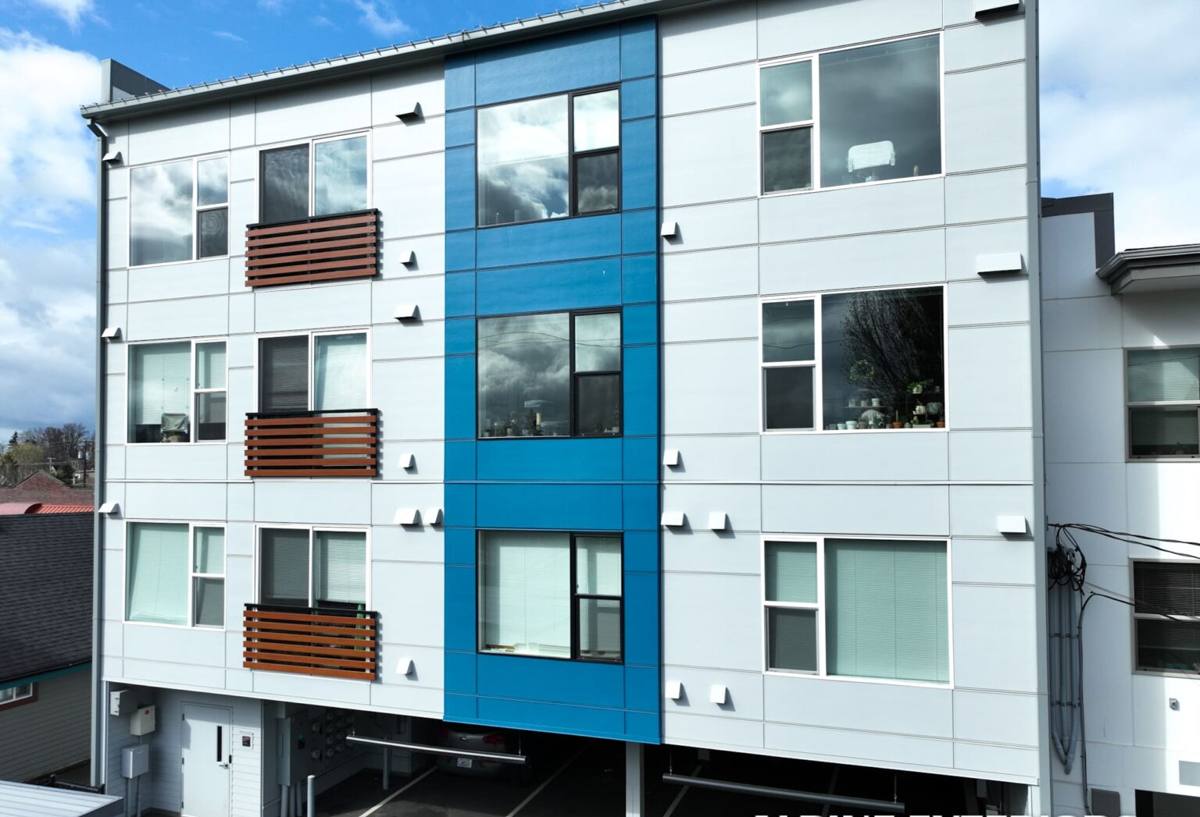
What the Marine Climate Actually Does to Windows
Three things drive most of the window problems we see on island and coastal properties in this area:
Salt Air
Airborne salt accelerates corrosion on hardware, screws, and metal components inside a window assembly. It also breaks down cheaper sealants and finishes faster than they'd wear inland. Fasteners and hardware that aren't rated for coastal exposure can start failing years before the glass or frame does.
Driving Rain
Wind off the water doesn't just wet a window — it pushes rain sideways and forces it into any gap in the flashing or seal. On an exposed island lot, west- and water-facing walls can take rain loads that a sheltered inland home never experiences. Flashing and sealing details that would be "good enough" elsewhere aren't always good enough here.
Moss Season
Whatcom County's long wet season keeps moss and algae growing on siding, trim, and window sills for much of the year. Around windows specifically, that moisture-holding growth can mask a slow leak for a long time, letting rot get established in the sill or framing before anyone notices a problem.
None of this means island homes need exotic products. It means the material choice, the flashing detail, and the sealant have to be matched to the exposure, not just picked off a standard spec sheet.
Choosing the Right Frame Material for This Exposure
There's no single "best" window material for every home — it depends on your exposure, your siding, and your budget. Here's how the common options hold up in a salt-air, high-rain environment:
| Frame Material | Salt Air / Moisture Behavior | Maintenance | General Cost Tier |
|---|---|---|---|
| Vinyl | Does not corrode or rot; performs well in coastal air when properly installed | Low — occasional cleaning | Lower to mid |
| Fiberglass | Very stable dimensionally; excellent resistance to moisture and salt exposure | Low | Mid to higher |
| Wood or Wood-Clad | Attractive but the wood core is vulnerable if the exterior clad or paint seal is breached | Higher — needs monitoring and upkeep | Higher |
| Aluminum | Metal frame can corrode over time in salt air unless it's a marine-grade finish; also conducts more cold | Moderate | Varies |
For most Lummi Island homes we work on, vinyl or fiberglass frames are the practical choice — they hold up to the salt and rain without asking for ongoing maintenance. Wood-clad windows can still be the right call on certain homes for appearance reasons, but we'll tell you honestly that they carry more upkeep responsibility in this climate, not less.
What a Correct Installation Actually Involves
The window unit itself is only part of the job. On an exposed coastal property, how the window is installed matters as much as what's installed. A rushed or generic install is where leaks start, regardless of how good the window is.
Removal and Opening Inspection
Once the old window is out, we check the rough opening for hidden rot, soft framing, or old water staining. This is often the first real look anyone's had at that wall cavity in years, and on older island homes it's not unusual to find damage that wasn't visible from outside.
Flashing and Water Management
This is the step that decides whether a window leaks in five years. Proper flashing — installed in the right order with the right overlaps — directs any water that gets past the exterior finish back out, instead of into the wall. On wind-exposed elevations we pay particular attention to head flashing and the sill pan, since that's where driving rain finds its way in first.
Sealing and Finish
We use sealants and backer materials rated for exterior, coastal exposure — not general-purpose caulk that will crack and open a gap within a season or two. The interior side gets air-sealed as well, which helps with both moisture control and energy performance.
- Confirm the rough opening is square, solid, and free of rot before setting the new unit
- Install flashing in correct shingle-lap order (sill, jambs, head)
- Use coastal-rated exterior sealant, not standard caulk
- Shim and fasten per manufacturer spec to keep the frame square and the seal intact
- Air-seal and insulate the interior gap around the frame
- Test operation and check for square, level, and plumb before final trim
Ferry Logistics and Why It Affects Your Project
Working on Lummi Island means working around the ferry. Materials, crew, and equipment all have to move on a schedule that isn't ours to set, and that has a real effect on how a job gets planned. Crews who don't regularly work the island can lose hours — or a full day — to a missed sailing, a scheduling mix-up, or simply not accounting for load capacity when bringing over full-size units and tools.
Because we already route through Birch Bay and the surrounding coastline regularly, island jobs get built into that schedule rather than treated as a special trip. Practically, that means we order materials with enough lead time to account for ferry timing, batch trips efficiently once your windows are in, and don't pad your quote with guesswork about access costs.
Our Process From Estimate to Finished Install
- On-site assessment: We look at each window opening, the exposure on that wall, current condition, and what's driving the need for replacement.
- Material and product recommendation: Based on exposure and your budget, we recommend frame material and glass package — and explain the trade-offs plainly.
- Written estimate: Clear pricing, no vague allowances, and a realistic timeline that accounts for ferry scheduling.
- Ordering and scheduling: We order with enough lead time built in for delivery and island logistics.
- Installation: Old windows removed, openings inspected and repaired if needed, new units installed with full flashing and sealing detail.
- Walkthrough: We check operation on every window with you before we consider the job done.
What Affects the Cost of a Window Replacement Here
Every home is different, but these are the factors that move the price most on island and coastal jobs:
| Factor | Why It Matters |
|---|---|
| Frame material chosen | Vinyl, fiberglass, and wood-clad carry different material and labor costs |
| Number and size of openings | More or larger windows mean more material and install time |
| Condition of the existing opening | Rot or framing damage found during removal adds repair scope |
| Wall exposure | Wind- and rain-exposed elevations may call for upgraded flashing detail |
| Access and logistics | Ferry scheduling and site access can affect delivery and crew time |
| Glass package | Low-E coatings and gas fills add cost but improve comfort and efficiency |
We'll walk through which of these apply to your home during the estimate, so the number you get reflects your actual project — not a generic per-window average.
Signs Your Windows May Need Replacing
Not every issue means a full replacement, but these are the signs worth having looked at, especially on an exposed island property:
- Visible gaps, soft spots, or dark staining around the frame or sill
- Fogging or moisture between panes of double-glazed glass
- Windows that are difficult to open, close, or lock
- Noticeable draft or cold spots near the window when it's windy
- Peeling paint or swelling on wood-framed windows
- Persistent moss or algae growth right at the sill or corners, which can hide moisture damage
- Rising energy bills without another clear explanation
Why a Local Crew That Already Works Lummi Island Matters
Anyone can sell you a window. What's harder to get right, especially in this climate, is the installation detail that keeps water out for the long haul — and the practical experience of getting materials and crew to an island property without wasted trips. We work Birch Bay and the surrounding Whatcom County coastline regularly, which means Lummi Island jobs aren't guesswork for us: we know what this exposure does to a window over time, and we plan the logistics accordingly instead of learning them on your job.
If you're weighing a window replacement on Lummi Island, we're glad to take a look and give you a straightforward, no-pressure estimate — just use the form below to get started.