 Birch Bay
 Deck Repair Built for California Creek's Coastal Climate
California Creek sits close enough to the water that homes here take on a different kind of weather than decks a few miles inland. Salt-laden air moves off the bay, rain arrives sideways more often than straight down, and the shaded, damp stretches of the year run long. A deck built or repaired without that in mind will show problems years before it should — soft boards, rusted fasteners, slick moss growth, and ledger connections that quietly lose their grip on the house. We repair decks throughout this area with those specific conditions in mind, not a generic checklist pulled from a drier climate.
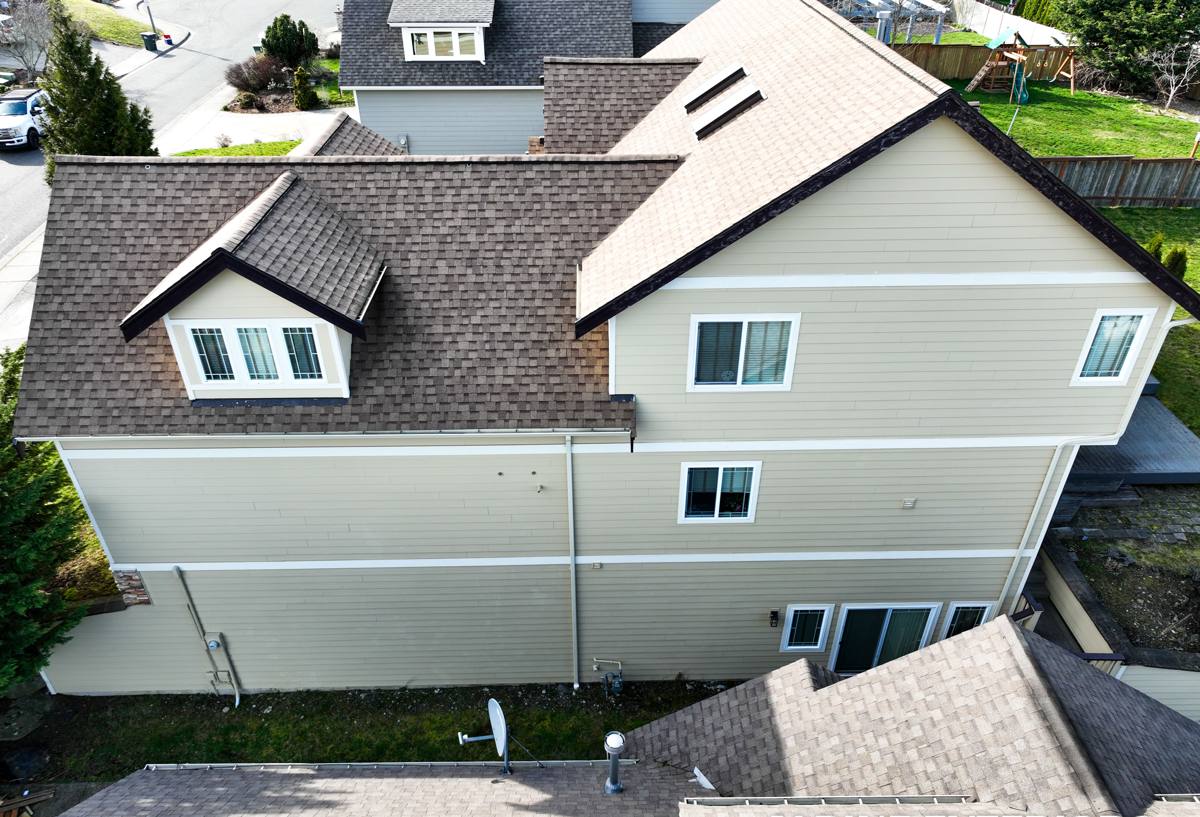
Why Decks Age Faster Near the Water
Wood and metal both react to the combination of moisture and salt exposure faster than most homeowners expect. It's rarely one dramatic failure — it's a slow accumulation of small ones that eventually add up to a deck that doesn't feel safe to walk on.
Salt Air and Metal Hardware
Ordinary galvanized nails, screws, and joist hangers corrode noticeably faster this close to the coast. Once the zinc coating breaks down, rust sets in, and a corroded fastener loses holding strength long before it looks obviously bad from the surface. This is one of the most common root causes we find when a deck feels "bouncy" or a railing has started to wiggle.
Driving Rain and Water Intrusion
Wind-driven rain doesn't behave like a gentle vertical shower — it gets pushed sideways into ledger boards, under flashing, and into any gap where two pieces of wood meet. Over time this drives moisture into places that were never designed to handle standing water, particularly where the deck attaches to the house.
Moss, Shade, and Slow Drying
Whatcom County's long stretch of overcast, damp months means decking that doesn't get much direct sun can stay wet for days at a time. That's exactly the environment moss and algae need to take hold. Beyond looking neglected, moss holds moisture against the board surface and turns a deck into a genuine slip hazard, especially on stairs.
Signs Your Deck Needs Repair, Not Just Cleaning
A pressure wash can make a tired deck look better for a season, but it doesn't fix structural issues underneath. Here's what tells us a deck needs real repair work rather than surface cleaning:
- Boards that feel spongy, spring back slowly, or flex noticeably underfoot
- Railings or posts that move when you lean on them
- Visible rust streaks running down from screw heads or hardware
- Gaps opening up where the deck meets the house (the ledger board)
- Persistent moss or black staining that returns within weeks of cleaning
- Stair stringers that feel less solid than the rest of the deck
- Fasteners backing out or spinning freely instead of biting into the wood
- A general "give" in one section that doesn't match the rest of the deck
Any one of these on its own might be minor. Several together usually mean moisture has been working on the structure for a while.
What a Correct Deck Repair Actually Involves
Deck repair done right isn't just replacing whatever board looks worst. It starts with understanding why that board failed, because swapping it out without addressing the cause just buys a year or two before the same spot fails again.
Structural Inspection First
Before any boards come off, we check the framing underneath — joists, beams, the ledger connection to the house, and the footings or posts holding it all up. This is where the real problems usually live, even when the visible symptom is a bad-looking surface board.
Ledger Board and Flashing
The ledger — where the deck bolts into the house — is the single most important connection on the entire structure, and it's also the spot most exposed to driving rain in this climate if the flashing was ever installed wrong or has failed over time. We check that flashing is intact and directing water away from the house, not trapping it against the rim joist.
Fastener and Hardware Upgrades
When we're already opening up a section of deck, we don't put corroded hardware back. We use fasteners and structural connectors rated for the exposure this area sees, which costs a little more upfront and saves the homeowner from doing this same repair again in a few years.
Proper Board Replacement
Matching new boards to old isn't just cosmetic — spacing, fastening pattern, and moisture gaps between boards all affect how well the new section drains and dries. Boards installed too tight trap water; boards installed too loose flex and squeak.
Common Deck Problems We See in This Area
| Problem | Typical Cause | What Repair Involves |
|---|---|---|
| Soft or spongy decking | Prolonged moisture trapped between boards or under debris | Remove and replace affected boards, improve drainage gaps |
| Rust streaking near fasteners | Standard hardware corroding in salt-air exposure | Replace with corrosion-resistant fasteners and connectors |
| Loose or wobbly railing | Post connections loosened by moisture cycling and wind load | Reinforce or rebuild post-to-frame connections |
| Recurring moss and algae | Shaded, slow-drying areas of the deck surface | Clean, treat, and address airflow or drainage where possible |
| Gap or separation at the house | Ledger flashing failure allowing water behind the board | Re-flash and re-secure the ledger connection |
| Stair movement | Stringer fasteners corroded or footing settled | Reinforce stringers, check and correct footing support |
Repair vs. Replacement: How We Decide
Not every deck with problems needs to be torn out. But it's also not honest to patch a deck whose frame is genuinely compromised. We look at scope, not just symptoms.
| Factor | Leans Toward Repair | Leans Toward Replacement |
|---|---|---|
| Framing condition | Joists and beams are sound; issue is isolated | Widespread rot or soft spots in the structural frame |
| Age of the deck | Under 15-20 years, built to reasonable standards | Original construction is old or was built without proper flashing |
| Extent of damage | A few boards, one railing section, or one connection point | Damage spread across multiple areas or the ledger itself |
| Footings and posts | Stable, level, and properly set | Settled, undersized, or showing movement |
We'll always tell you plainly which category your deck falls into, along with the trade-offs, before any work starts.
Our Deck Repair Process
- On-site inspection — we walk the deck, check the framing from below where accessible, and test hardware and connections by hand.
- Honest assessment — you get a clear explanation of what's causing the problem, not just what's visible on the surface.
- Written estimate — scope, materials, and cost laid out before anything is scheduled.
- Repair work — framing and hardware addressed first, then decking and railing finished to match.
- Final walkthrough — we go over what was done and what to watch for going forward.
Decking Materials That Hold Up Here
Material choice matters more in a coastal, high-moisture climate than it does in a drier one. Pressure-treated lumber remains a solid, affordable option for repairs when it's properly sealed and maintained, and it's often the right match when you're patching into an existing wood deck. Composite decking resists moisture and moss better over the long run and needs less upkeep, but it comes at a higher upfront cost and isn't always the right call for a partial repair on an otherwise wood deck, since mixing materials can look inconsistent. We'll walk through the honest trade-offs for your specific situation rather than defaulting to whatever's easiest to install.
Why Local Experience in California Creek Matters
A contractor who mostly works inland, drier neighborhoods can still do competent framing — but they may not think twice about upgrading hardware, checking ledger flashing carefully, or flagging a moss-prone shaded corner as a repeat problem area. Working regularly in Birch Bay and the surrounding Whatcom County coastline means we've already seen how salt air, driving rain, and long moss seasons wear down decks here specifically, and we build the repair to account for that from the start rather than treating it like any other job.
Get a Straight Answer on Your Deck
If your deck has a soft spot, a wobbly rail, or hardware that's starting to rust, it's worth having someone look at it before the problem spreads into the framing. We offer free, no-pressure estimates for deck repair in California Creek and the surrounding Birch Bay area — come take a look, get an honest read on what's actually going on, and decide from there. Use the form below to get started.