 Birch Bay
 Point Roberts Is a Different Kind of Exposure
Point Roberts sits on its own finger of land at the end of a peninsula, surrounded on three sides by the Salish Sea and cut off from the rest of Washington by the international border. That geography means homes here take a version of Whatcom County weather that's a notch harsher than what you'd find a few miles inland in Birch Bay or Blaine. Wind comes off open water with almost nothing to slow it down, salt spray settles on exterior surfaces year-round, and the marine layer keeps siding damp for long stretches, especially through fall and winter.
Board and batten siding has a strong, clean vertical look that a lot of Point Roberts homeowners want — it reads as more substantial than flat lap siding and it suits both older cottages and newer builds in this area. But the same design that makes it attractive also creates more seams, more fastener penetrations, and more places for water to find a way in if it's not built right. On a site this exposed, that's not a small detail. It's the whole job.
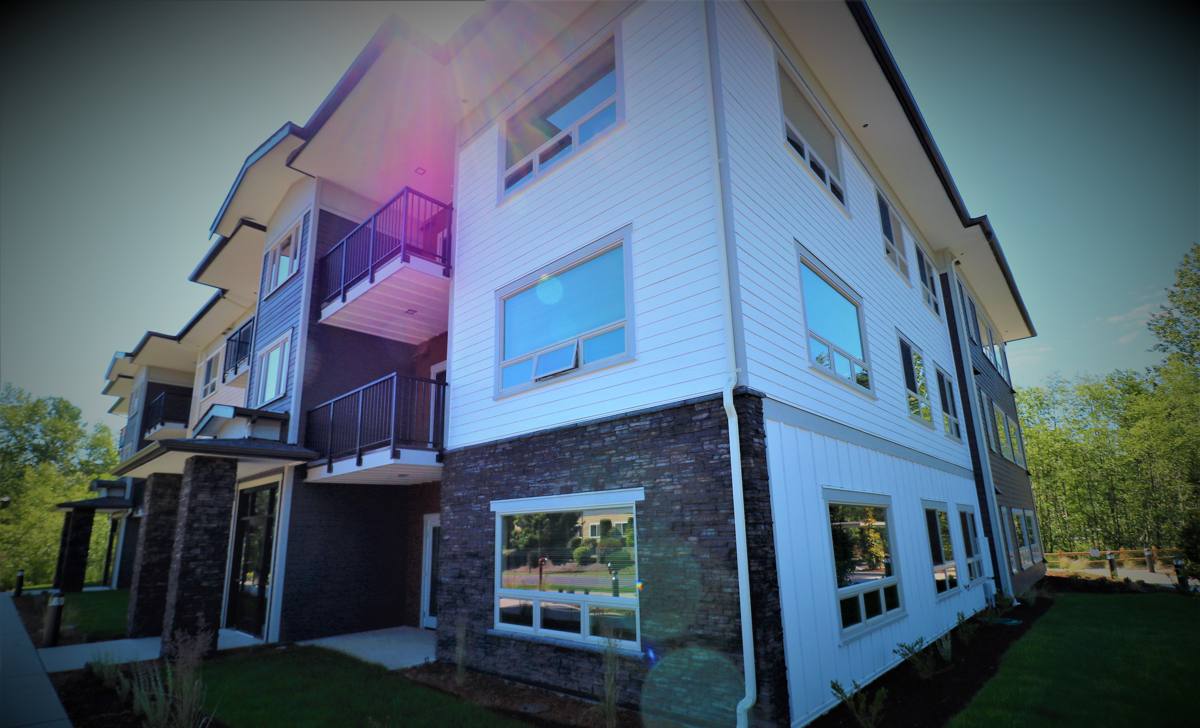
What Board & Batten Siding Actually Is
Board and batten is a vertical siding pattern: wide flat panels or boards installed first, then narrower strips (the "battens") fastened over each seam. Historically it was a simple way to cover a wall with limited materials and still shed water, and the look has stuck around because it's clean, modern, and durable when it's detailed correctly.
Why It Reads Differently Than Lap Siding
Where horizontal lap siding relies on overlap to shed water course by course, board and batten relies on the batten covering the seam between panels and on the drainage plane behind the whole assembly to handle anything that gets past that seam. That's a different set of demands on the installer — the water management is happening in fewer, more critical places, so those places have to be done right every time, not most of the time.
Why We Install James Hardie for Board & Batten — and Nothing Else
We only install James Hardie fiber cement siding. We don't install LP SmartSide, vinyl, Cemplank, Allura, primed spruce, or cedar, and in a board-and-batten application on an exposure like Point Roberts, the reasons matter more than usual.
- Vertical board and batten in vinyl struggles with the long, unbroken vertical runs this style calls for — vinyl expands and contracts with temperature swings, and on a wide-open, wind-exposed lot that movement shows up as visible waviness over time.
- Cedar board and batten looks great new, but real wood board and batten in a salt-air, high-moisture environment needs disciplined refinishing on a schedule most owners don't want to keep up with — moss, mildew, and checking show up fast where the marine layer sits on the wall for days at a time.
- Primed spruce and engineered wood products depend heavily on the finish staying intact at every cut edge and fastener hole. Miss one spot during install or maintenance and moisture gets into the substrate, which is a much bigger problem on an exposed coastal lot than it is a few miles inland.
James Hardie's fiber cement is non-combustible, dimensionally stable, and factory-finished with ColorPlus so the color and protective layer are baked on before the boards ever reach the site — not dependent on a perfect field-applied coat. Hardie's HZ5 product line is engineered specifically for harsher, wetter climates, which is a real fit for a peninsula that gets more direct wind and salt exposure than most of the county. We install Hardie's Artisan Board & Batten collection and HardiePanel vertical siding with Hardie trim battens, both built for this exact siding style.
What a Correct Board & Batten Job Involves
The Drainage Plane Behind the Panels
Before any siding goes up, the wall needs a code-compliant water-resistive barrier and a drainage gap so bulk water that gets past the cladding has somewhere to go instead of sitting against the sheathing. On a site that sees driving rain off the water regularly, this layer is doing as much work as the siding itself, and it's invisible once the job is done — which is exactly why it can't be the place a crew cuts corners.
Flashing at Every Penetration and Transition
Windows, doors, roof-to-wall intersections, and the bottom termination of the siding all need proper flashing, not just caulk. Caulk fails; flashing sheds water by shape and gravity and keeps doing its job long after a bead of sealant has cracked or shrunk.
Batten Spacing and Fastening
Battens need consistent spacing over the panel seams and correct fastener placement per Hardie's published installation specs — through the right layer, at the right depth, with the right edge clearance. Overdriven or misplaced fasteners are one of the most common causes of early siding failure, and they're also one of the easiest things for a rushed crew to get wrong.
Gaps, Not Caulk-Only Seams
Hardie's install guidance calls for specific clearances at trim, corners, and the foundation line so the assembly can handle normal seasonal movement without relying on sealant alone to keep water out. A common shortcut is to caulk everything tight instead of building in the gaps the system is designed around — it looks fine on install day and causes problems two or three winters later.
| Detail | Done Right | Common Shortcut |
|---|---|---|
| Drainage plane | Continuous WRB with a drainage gap behind panels | Housewrap alone, no gap, panels fastened tight to sheathing |
| Flashing | Metal or membrane flashing at every penetration and transition | Caulk used in place of flashing |
| Fasteners | Correct type, depth, and spacing per Hardie spec | Overdriven fasteners, inconsistent spacing |
| Clearances | Manufacturer gaps at trim, corners, grade line | Boards caulked tight with no room for movement |
| Cut edges | Sealed with approved product before install | Raw cut edges left exposed |
Our Process on a Point Roberts Job
Because Point Roberts is only reachable through Canada, we plan these jobs with border logistics built in from the start — material staging, crew scheduling, and delivery timing all get worked out before the first day on site, so the job doesn't stall waiting on something that should have been anticipated. That's part of why local experience on this specific spot matters: a crew that hasn't worked here before is learning that logistics lesson on your project instead of before it.
- On-site assessment of the existing wall assembly, moisture conditions, and any rot or damage from prior siding.
- Written scope covering the drainage plane, flashing details, Hardie product line, and batten layout — no vague allowances.
- Material staging and delivery planned around the border crossing so the crew isn't waiting on supplies mid-job.
- Installation following James Hardie's published specifications for fastening, clearances, and flashing.
- Final walkthrough covering what was installed and what ordinary upkeep looks like going forward.
Living With Board & Batten in This Climate
Fiber cement doesn't need the refinishing schedule that wood does, but a peninsula exposure still calls for some routine attention.
- Rinse salt residue off the siding a couple of times a year, especially on walls facing open water.
- Keep gutters and downspouts clear so runoff isn't sheeting down the face of the battens.
- Trim back vegetation and clear debris that holds moisture against the wall — the biggest driver of moss growth on any siding in this county.
- Check caulking at trim and penetrations annually; it's a five-minute look that catches small issues before they become water intrusion.
- Repaint on the schedule tied to your ColorPlus finish warranty rather than waiting for visible fading.
What Board & Batten Costs to Do Right
Board and batten typically runs somewhat higher than a straightforward lap siding job on the same wall, mainly because of the extra batten material and the additional labor to fasten and detail each seam correctly. Exact numbers depend on wall square footage, tear-off scope, trim complexity, and site access — we walk every job and give a written number, not a phone estimate.
| Factor | Why It Moves the Price |
|---|---|
| Existing siding removal | Tear-off, disposal, and any sheathing repair found underneath |
| Wall complexity | Dormers, gables, and multiple roof-to-wall transitions add flashing detail |
| Batten spacing/pattern | Tighter spacing means more material and more fastening labor |
| Site access | Peninsula logistics and staging can affect scheduling and delivery timing |
| Trim and corner detailing | Custom corners and trim work add labor beyond flat wall coverage |
Why Local Experience Matters Here
A lot of contractors will quote a Point Roberts job the same way they'd quote one in a sheltered inland neighborhood. The wind loads, the salt exposure, and the border logistics are all different, and a crew that hasn't accounted for that going in tends to either underbid the job or under-detail it. We work this part of Whatcom County regularly, which means the drainage and flashing decisions on your home are based on what actually holds up here — not a generic spec sheet.
If you're weighing board and batten siding for a home in Point Roberts, we're glad to walk the property, look at what you're dealing with now, and put together a straightforward, no-pressure estimate using the form below.