 Birch Bay
 Why Decks in Bellingham and Birch Bay Wear Differently
A deck built in Bellingham or the Birch Bay area doesn't age the same way one does further inland. Whatcom County sits right up against the Salish Sea, which means salt-laden air moving off the water, wind-driven rain that gets under things a drier climate would never test, and a moss season that can stretch from October through May in a shaded yard. None of that is exotic weather, but it's constant, and a deck is outdoor furniture with structural responsibilities — it has to shed water, resist rot at every joint, and keep its fasteners from corroding for years without anyone thinking about it.
We build and repair decks across this stretch of Whatcom County regularly, so we're not guessing at how a given material or detail holds up here — we're looking at decks we or others put in five, ten, fifteen years ago and seeing what actually failed first.
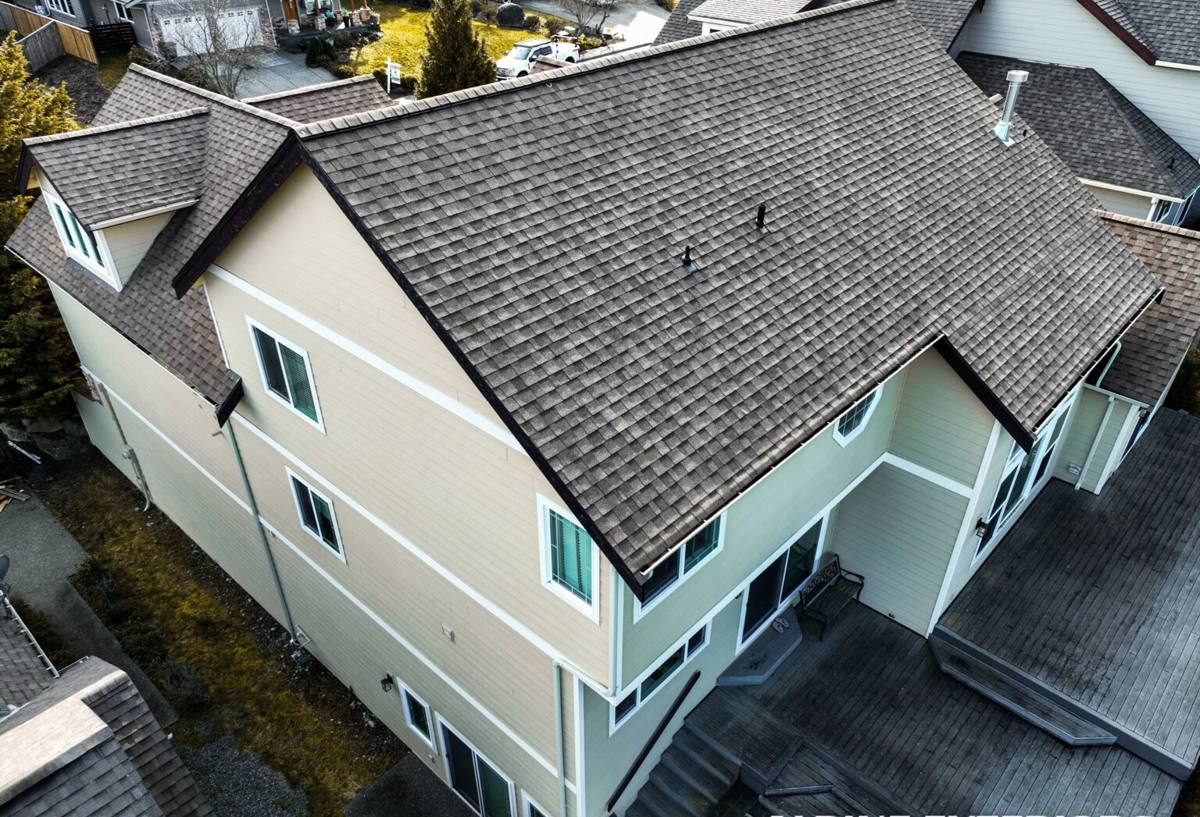
What Salt Air, Rain, and Moss Actually Do to a Deck
Salt Air and Fasteners
Coastal air carries fine salt particles that settle on exposed metal. Over time this accelerates corrosion on anything that isn't rated for it — screws, joist hangers, structural bolts, even some railing hardware. A fastener that would last decades in a dry inland climate can start staining, weeping rust, or losing grip strength years earlier here. This is one of the most common failure points we see on older decks in this area, and it's almost always avoidable with the right hardware spec from day one.
Driving Rain and Water Intrusion
Rain that comes in sideways during a windstorm finds gaps a vertical rain never would — behind ledger boards, around post bases, under poorly lapped flashing. Once water gets into a framing joint and can't dry out quickly, rot starts. The problem isn't usually the amount of rain Whatcom County gets; it's how often the wood stays damp between rain events, especially on shaded or north-facing decks.
Moss and Trapped Moisture
A long moss season means anything horizontal — deck boards, stair treads, the tops of railings — can stay damp and shaded long enough for moss and algae to take hold. Beyond being slippery underfoot, moss holds moisture against the wood surface and slows drying, which shortens the life of the finish and the board underneath it. Gaps between boards, airflow underneath the deck, and sun exposure all affect how bad this gets on a given lot.
What a Deck Built for This Climate Actually Needs
A deck that's going to hold up in Bellingham or Birch Bay needs a few things baked in from the start, not added later:
- Corrosion-resistant fasteners and structural connectors rated for coastal or treated-lumber exposure — not standard interior-grade hardware
- Proper flashing at the ledger board where the deck meets the house, since this is the single most common rot location we find on older decks
- Consistent board spacing and airflow underneath the structure so wood can actually dry between rain events
- Post bases that keep wood off standing water and concrete that can hold moisture
- A finish or material choice matched honestly to how much upkeep the homeowner actually wants to do
None of this is complicated, but it takes a crew that treats it as standard practice rather than an upgrade — because on the coast, these are the details that decide whether a deck needs major repair at year eight or year twenty-five.
Choosing a Decking Material for This Climate
There's no single right answer here — it depends on budget, how much maintenance you want to do, and how the deck sits relative to sun, shade, and moisture. Here's how the common options actually compare in a marine climate like this one:
| Material | Moisture & Moss Behavior | Maintenance | Typical Lifespan Here |
|---|---|---|---|
| Pressure-treated lumber | Resists rot when properly sealed; moss grows on the surface if not cleaned | Needs re-staining/sealing every 2-3 years | 15-20 years with upkeep |
| Cedar | Naturally rot-resistant; still needs sealing to fight graying and moss | Regular sealing or accept natural weathering | 15-25 years with upkeep |
| Capped composite | Doesn't absorb moisture like wood; moss can still grow on the surface and needs washing | Periodic cleaning, no staining/sealing | 25-30+ years |
| PVC decking | Fully moisture-resistant, most consistent in wet shaded areas | Occasional washing | 25-30+ years |
We'll walk you through this honestly rather than pushing whatever has the best margin. If you've got a sunny, well-drained deck and don't mind maintenance, cedar or treated lumber can be the right call and the better value. If your deck sits in shade near trees or faces the water, composite or PVC often makes more sense simply because it takes moss and moisture out of the equation for the decking surface itself — though the framing underneath still needs to be built right regardless of what's on top.
Framing and Structure: Where Most Long-Term Problems Start
The decking surface is what you see, but the framing underneath is what actually determines how long the deck lasts. A few details matter more here than they would in a drier climate:
Ledger Board Flashing
Where the deck attaches to the house is the point most exposed to water running down the siding and collecting at a horizontal joint. Correct flashing — installed in the right order relative to the house's water-resistive barrier — keeps that water moving outward instead of into the framing.
Footings and Post Bases
Footings need to be sized and set below frost depth per code, and post bases should hold the post off the concrete rather than letting it sit in standing water after a heavy rain. This is a small detail that gets skipped on cheaper builds and shows up as post rot years later.
Joist Protection
Joist tape or another moisture barrier on top of the joists, under the decking, keeps rain that gets between boards from sitting directly on cut lumber. It's inexpensive and makes a real difference in how long the frame lasts.
Railings, Stairs, and Code in Whatcom County
Guardrails, stair railings, and baluster spacing all fall under Washington's residential building code, and Whatcom County enforces permitting on most new deck construction and significant rebuilds. Guardrail height, opening spacing that keeps a small child from squeezing through, and stair handrail requirements aren't optional details — they're inspected. Beyond code minimums, railing hardware is another spot where coastal corrosion shows up early if the wrong fasteners get used, so we spec the same corrosion-resistant hardware there that we use in the framing.
We handle the permitting conversation as part of the job rather than leaving it for the homeowner to sort out — it's part of building correctly in this county, not an extra step.
How We Approach a Deck Project
Our process is straightforward and doesn't change based on how big the job is:
- On-site assessment — we look at the existing structure (if there is one), the ledger connection point, drainage, sun/shade exposure, and how the space will actually be used before recommending materials.
- Honest material conversation — we lay out the real trade-offs between wood and composite/PVC options for your specific spot, not a one-size-fits-all pitch.
- Permitting — we handle what Whatcom County requires for the scope of work.
- Build, with coastal detailing as standard — correct flashing, corrosion-resistant hardware, and proper airflow aren't upsells; they're how we build every deck in this climate.
- Final walkthrough — we go over the finished deck and what maintenance (if any) it needs going forward.
Maintaining a Deck Through a Whatcom County Winter
Even a well-built deck needs some seasonal attention here, especially through the fall and winter moss season. A simple annual routine keeps most decks from developing problems:
- Sweep leaves and debris off the deck surface regularly in fall — trapped debris holds moisture and feeds moss
- Rinse or scrub visible moss and algae off decking and stair treads before they get slick, especially in shaded corners
- Check that gaps between boards haven't filled with debris, which blocks drainage and airflow
- Inspect the ledger flashing and post bases once a year for staining, softness, or gaps
- Reseal or restain wood decking on the schedule appropriate to the product — don't wait until it's visibly gray and dry
- Confirm gutters and downspouts near the deck aren't dumping extra water onto or under it
Why It Matters to Hire a Crew That Already Works This Area
A deck built to a generic spec sheet can look fine on day one and still fail early here, because the failure points in this climate — fastener corrosion, ledger rot, moss-driven surface damage — aren't things every builder is used to designing around. A crew that already works Bellingham and Birch Bay regularly has seen how local decks actually age, which means the hardware, flashing, and material choices aren't an afterthought — they're just how the job gets built. That's the difference between a deck that needs major repair in year eight and one that's still solid at year twenty.
If you're planning a new deck or need an honest look at repairing or replacing one that's showing its age, we're happy to come take a look. Reach out for a free, no-pressure estimate using the form below.