 Birch Bay
 Storm Damage on Sandy Point Roofs: What's Different Here
Sandy Point sits about as close to the water as a Birch Bay roof can get, and that location shapes everything about how a roof fails after a storm. Wind off the water hits these homes with less to slow it down than roofs set back in town, driving rain finds every gap in flashing and fastener heads, and salt-laden air speeds up corrosion on metal components that would last much longer a few miles inland. Add Whatcom County's long, damp moss season on top of that, and you get a combination of stressors that most roofing crews from outside the area simply don't see often enough to recognize quickly.
That's the gap this page is meant to close. Storm damage repair on a Sandy Point roof isn't a generic service — it's a specific set of problems tied to wind exposure, salt air, and moisture retention, and the fix needs to account for all three, not just patch the hole a storm left behind.
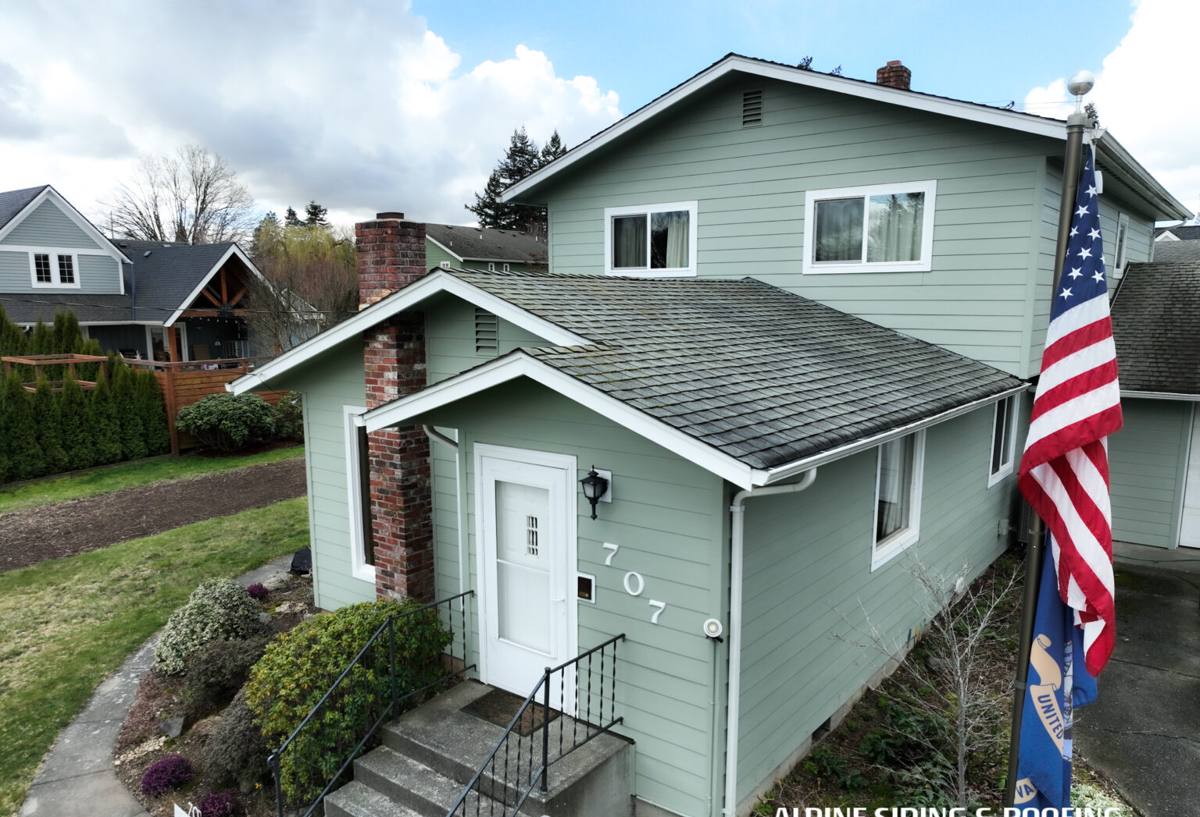
What Storm Damage Looks Like on a Sandy Point Roof
Visible Signs
After a windstorm or heavy rain event, the obvious damage is usually easy to spot: shingles that have lifted, cracked, or blown off entirely, especially along ridges and edges where wind pressure is highest. Granule loss shows up as bare, shiny patches on asphalt shingles. Flashing around chimneys, vents, and skylights can be bent, pulled loose, or missing outright. Gutters packed with torn shingle pieces or heavy debris are another sign that wind did more than just make noise.
Damage You Can't See From the Ground
The damage that costs homeowners the most is usually the kind that doesn't announce itself right away. Wind can lift a shingle just enough to break its seal without tearing it off, leaving a gap that lets driving rain in during the next storm but looks fine from the driveway. Salt air accelerates corrosion on nail heads and flashing seams over time, so a fastener that was marginal before the storm can fail during it. And in areas of the roof shaded by trees or facing north, moss that's been quietly holding moisture against the roof deck for months can turn a minor storm event into a much bigger repair once we pull back the shingles and see what's underneath.
Why "Just Patch It" Isn't Always the Right Call
A fast patch has its place — especially right after a storm, when the priority is stopping active water intrusion. But a patch that only addresses the visible tear-out, without checking the surrounding shingles for lifted seals or the decking underneath for existing moisture damage, often just delays the next repair call. This matters more here than in drier parts of the state, because a small amount of trapped moisture combined with a long moss season and salt-air corrosion can turn a contained problem into a spreading one faster than homeowners expect.
A correct storm repair treats the storm as the trigger for the visit, not the full scope of the problem. That means checking a wider area than just the obvious damage, and being honest with the homeowner about what's storm-related versus what was already a maintenance issue the storm simply exposed.
What a Correct Storm Damage Repair Actually Involves
The right scope of repair depends on how much of the roof was affected, how old the existing roofing is, and what we find once we get a closer look at the decking and flashing. We walk homeowners through these options honestly rather than defaulting to the most expensive one.
| Repair Approach | Typical Scope | When It Makes Sense | Main Cost Driver |
|---|---|---|---|
| Emergency tarp / temporary seal | Covers active leak points immediately after a storm | Same-day or next-day response while a full assessment is scheduled | Access and roof size, not materials |
| Section repair | Replace damaged shingles, flashing, and underlayment in one localized area | Damage is contained and the surrounding roof is otherwise sound | Matching existing materials and decking condition underneath |
| Slope or full replacement | Full tear-off and re-roof of one slope or the entire roof | Damage is widespread, the roof is near the end of its service life, or decking has moisture damage | Total roof area, decking repair, and material selection |
Most storm calls on Sandy Point end up in the section repair category, but we don't know which category a roof falls into until we've actually inspected it — which is why we avoid quoting a scope over the phone.
Our Process for Sandy Point Storm Damage Calls
When a Sandy Point homeowner calls us after a storm, the process is straightforward and built around getting an accurate picture before any work starts:
- We talk through what happened and what's visible from the ground or inside the attic, and get a repair visit scheduled — sooner if there's active water intrusion.
- On site, we inspect the full roof, not just the area that looks damaged, checking shingles, flashing, vents, and the decking underneath where we can safely access it.
- We document what we find, including photos of the damage, which is useful both for our own repair plan and for any insurance claim the homeowner chooses to file.
- We give a clear, honest scope of work — what's storm damage, what's pre-existing wear, and what the repair options are.
- We complete the repair using materials that match the existing roof as closely as possible, and we check flashing and fastener condition in the surrounding area while we're already up there.
- We do a final walk-through so the homeowner knows exactly what was done and what to watch for going forward.
Materials and Methods Built for This Kind of Exposure
Flashing and Fasteners
In a salt-air environment, the metal details matter as much as the shingles. We use corrosion-resistant flashing and fasteners on storm repairs near the water, since standard-grade hardware corrodes noticeably faster in this environment and is a common source of repeat leaks a few years down the road.
Underlayment and Ventilation
Where a repair opens up part of the roof deck, we make sure the underlayment is properly lapped and sealed rather than just tucked back into place, and we check that ventilation in that section of the attic hasn't been compromised. Poor ventilation combined with Whatcom County's damp climate is one of the quiet contributors to moss growth and slow decking rot, so a storm repair is a good opportunity to catch that early rather than waiting for it to become its own problem.
Storm Claims: What's Worth Knowing Before You Call Insurance
Every insurance policy and adjuster process is different, so we don't give specific insurance advice — but a few practical habits help homeowners regardless of carrier. Photograph visible damage as soon as it's safe to do so, before any cleanup or temporary repair. Keep any receipts or documentation related to emergency measures like tarping. And get an independent roofing assessment rather than relying solely on the insurance adjuster's inspection, since a contractor who's actually getting on the roof may catch damage an adjuster's walk-around misses. We're glad to provide our own documentation and repair estimate to support a claim either way.
Why Local Experience in Sandy Point Matters
A crew that already works in Sandy Point has seen how roofs in this specific stretch of Birch Bay actually age — which slopes tend to hold moss longest, how fast salt air chews through unprotected fasteners, and which roof types and ages are most common in the neighborhood. That familiarity means less time spent diagnosing and more time spent fixing, and it means we're not guessing about how the local climate will treat a repair once we've made it. It also means a faster response after a storm, since we're not driving in from across the county to get eyes on a roof that needs attention now.
A Simple Maintenance Checklist for Sandy Point Homeowners
Between storms, a little attention goes a long way toward reducing how much damage the next one causes:
- Clear moss buildup from shaded or north-facing roof sections before it spreads, rather than after it's thick.
- Keep gutters and downspouts clear so storm rain has somewhere to go instead of backing up under the roof edge.
- After any significant windstorm, do a visual check from the ground for lifted, cracked, or missing shingles.
- Have flashing around chimneys, vents, and skylights inspected periodically, since these are the first points to fail in salt air.
- Check the attic occasionally for signs of moisture, staining, or daylight where there shouldn't be any — early signs travel faster than the visible damage outside.
If a recent storm has left your Sandy Point roof with missing shingles, active leaks, or damage you're not sure how to categorize, we're happy to take a look. We offer free, no-pressure estimates and straightforward answers about what's actually needed — use the form below to get started.