 Birch Bay
 Windows Built for the Terrell Creek Climate
Terrell Creek sits close enough to Birch Bay and the Strait of Georgia that homes here take on a specific kind of weather stress most window manufacturers never test for. It's not one big storm that wears out a window — it's the daily grind of salt-laden air moving in off the water, driving rain that hits siding and glass sideways for days at a time, and a moss season that stretches from fall through spring when everything stays damp longer than it should. Add in the temperature swings between a cold, clear night and a wet, mild afternoon, and you've got conditions that will find every weak point in a window's seal, frame, and glazing within a few years if the installation wasn't done right.
We've replaced windows in enough homes around Birch Bay and the surrounding Whatcom County shoreline to know that "energy-efficient" on a spec sheet doesn't mean much if the window isn't matched to this climate and installed with the right flashing and sealing detail. This page is about what that actually looks like for a Terrell Creek home specifically — not a generic rundown of window features.
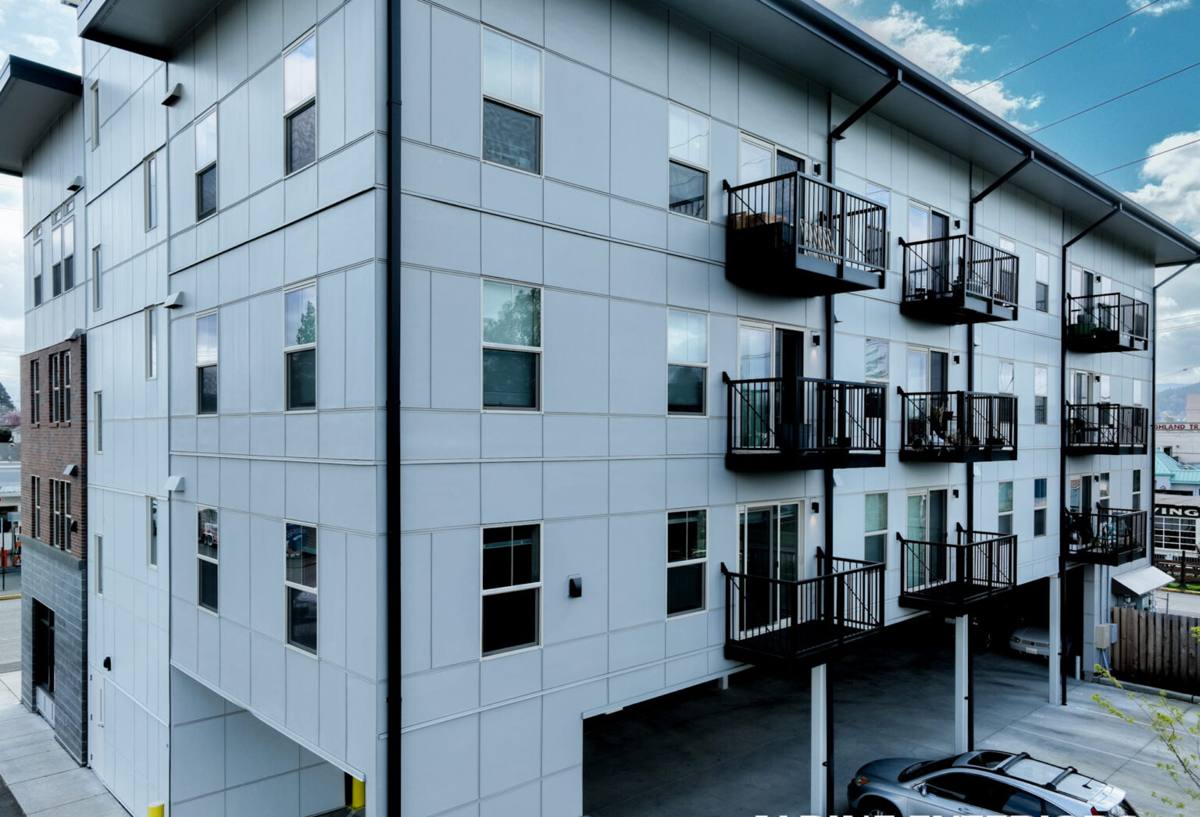
How This Climate Wears Down Windows Faster
Salt Air and Metal Fatigue
Airborne salt from the water doesn't just dull paint and pit metal railings — it accelerates corrosion in window hardware, aluminum spacers, and cheaper cladding. Locks stiffen, hinges corrode, and weep holes clog faster than they would twenty or thirty miles inland. Over time this shows up as windows that are harder to open, seals that fail early, and a frame finish that looks tired well before it should.
Driving Rain and Wind-Driven Moisture
Rain that comes in sideways off the water tests a window's flashing and drainage plane far more than a straight-down downpour does. If the rough opening wasn't flashed correctly, or the window wasn't shimmed and sealed to shed water outward instead of trapping it, you get slow leaks that show up as staining, soft trim, or mold long before anyone notices a drip.
Moss, Shade, and Prolonged Dampness
A long moss season means more months where wood trim, sills, and the areas around window openings simply stay wet. That moisture doesn't need a leak to cause damage — it just needs time. Homes with mature trees or north-facing walls in and around Terrell Creek see this the most, and it's a major reason sill and trim condition matters as much as the glass itself.
Signs Your Windows Are Costing You More Than You Think
Most homeowners don't replace windows because they finally break — they replace them because they've been quietly costing money and comfort for years. Watch for:
- Cold drafts near the frame even when the window is fully latched
- Condensation or fogging between the panes, which means the seal has already failed
- Visible gaps, soft or discolored trim, or a musty smell near the window during wet months
- Windows that are hard to open, close, or lock — often a sign of hardware corrosion or a frame that's shifted
- Noticeably higher heating bills compared to similarly sized rooms elsewhere in the house
- Moss or dark staining building up on the sill or exterior trim faster than on the rest of the wall
Any one of these on its own might just mean routine maintenance. Several together, especially on the side of the house that takes the most weather, usually points to windows that are past the point where sealant and weatherstripping can fix the problem.
What Actually Makes a Window Installation "Energy-Efficient" Here
The window unit itself is only part of the equation. In a climate like this, how it's installed matters as much as what's installed. A correct job includes:
- Removing old flashing and trim to inspect the rough opening for hidden rot or moisture damage before anything new goes in
- Installing (or correcting) flashing so water is directed out and away from the wall assembly, not behind it
- Using the right sealants and backer rod at the frame perimeter — not just a bead of caulk over gaps
- Shimming and fastening the unit square and plumb so the sash seals evenly on all four sides
- Insulating the gap between the frame and rough opening properly, without overpacking it, which can bow the frame
- Matching glazing (glass package) to the wall's sun and wind exposure rather than using one spec for the whole house
Skip any one of these steps and you can end up with a brand-new, well-rated window that still drafts, fogs, or leaks within a few years — the product gets blamed when the real issue was the install.
Choosing Glass and Frame Materials for a Salt-Air Environment
Not every frame material or glazing package performs the same way this close to the water. Here's how the common options generally compare for a Terrell Creek home:
| Frame Material | Salt Air / Moisture Behavior | Maintenance |
|---|---|---|
| Vinyl | Doesn't corrode; handles salt air well | Low — occasional cleaning |
| Fiberglass | Very stable, resists warping and moisture uptake | Low |
| Aluminum | Prone to corrosion and heat transfer near salt air | Moderate to high |
| Wood / wood-clad | Can perform well but is sensitive to prolonged dampness and moss exposure | Higher — needs regular finish upkeep |
For most Terrell Creek homes, vinyl or fiberglass frames offer the best balance of durability and low upkeep given the salt air and long wet season. Wood-clad windows can still be the right call for certain architectural styles, but we'll walk you through the added maintenance honestly rather than oversell it. On the glass side, a dual-pane, low-E unit is the standard baseline for this climate; triple-pane adds real value mainly on walls that take direct wind and rain exposure or in rooms where comfort and noise are a bigger priority.
U-Factor and Solar Heat Gain, in Plain Terms
Two numbers matter more than any marketing label: U-factor (how much heat escapes through the window — lower is better in our climate) and solar heat gain coefficient, or SHGC (how much solar warmth passes through). In the Pacific Northwest, a lower U-factor generally matters more than a low SHGC, since retaining heat is usually more valuable here than blocking it. We'll talk through both numbers for your specific home rather than just quoting an "energy-efficient" label off a spec sheet.
Our Process for a Terrell Creek Window Job
1. On-Site Assessment
We look at each window opening individually — not just the glass, but the trim, sill, and wall condition around it. Homes near Terrell Creek often have a few windows on the water- or weather-facing side that are in worse shape than the rest of the house, and we'll tell you honestly if that's the case.
2. Removal and Opening Inspection
Once the old window is out, we check the rough opening for hidden rot, moisture staining, or pest damage before anything new goes in. This is the point where problems that have been building for years — often invisible from outside — get caught and fixed instead of sealed over.
3. Flashing, Installation, and Sealing
New flashing, proper shimming, and correct sealant application happen here. This step is where driving rain resistance is actually built in — it's not something you can add after the fact with more caulk.
4. Trim, Cleanup, and Walkthrough
We finish trim work, clean the job site, and walk the windows with you — operation, locks, and a look at how the flashing and sealing were done — so you know exactly what's behind the finished surface.
Common Problems We Find From Past Installations
A lot of our Terrell Creek and Birch Bay calls come from homeowners dealing with a previous installation that looked fine but wasn't done for this climate. Watch for these warning signs if you've had windows replaced before and something still feels off:
- Caulk used as the only line of defense instead of proper flashing
- Trim reinstalled over damaged or damp sheathing without repair
- Windows that are slightly out of square, causing uneven wear on weatherstripping
- Glazing chosen without regard to which wall or elevation it's on
- No discussion of drainage or weep hole placement at all
None of this is about disparaging any particular brand or crew — it's about the fact that a marine climate with driving rain and salt air punishes shortcuts faster than a drier inland area would, so the margin for error on installation detail is smaller here.
Maintenance That Actually Matters in This Climate
Even a well-installed, well-built window benefits from a little seasonal attention in a place like Terrell Creek. Keep weep holes and drainage tracks clear of debris and moss buildup, rinse salt residue off exterior frames and hardware periodically, and check exterior caulk lines once a year for cracking. Keep an eye on any trim under trees or in shaded areas where moss tends to establish first — catching it early is a lot cheaper than dealing with the trim damage that follows if it's left alone through another wet season.
Why Local Experience in Terrell Creek and Birch Bay Matters
A window installer who mostly works drier, inland jobs may not think twice about flashing detail, weep hole placement, or frame material choice — because their local climate doesn't punish those shortcuts the way ours does. Working in and around Birch Bay and Whatcom County's shoreline communities means we see, on a regular basis, exactly how salt air, driving rain, and a long moss season affect windows over time. That's the difference between a crew that installs windows and a crew that installs windows correctly for this specific stretch of coastline.
If you're weighing whether it's time to replace aging windows, dealing with drafts and condensation, or just want an honest look at what a correct installation involves for your home near Terrell Creek, we're happy to come take a look. The estimate is free, there's no pressure, and you'll get a straight answer about what your windows actually need — use the form below to get started.