 Birch Bay
 Roofing Built for Custer's Weather, Not Just Any Weather
Custer sits close enough to the Strait of Georgia that salt-laden air is part of daily life here, and that changes what a roof has to survive. Add in the driving rain that comes through Whatcom County off the water, plus a moss season that can run most of the year under our tree cover and cloud ceiling, and you've got a climate that is genuinely hard on roofing. A roof replacement here isn't just about swapping old shingles for new ones — it's about choosing materials and installation details that actually hold up to salt exposure, wind-driven rain, and constant dampness.
We work on homes in and around Custer regularly, which means we're not guessing at what fails first in this area. We know which parts of a roof system take the brunt of the weather and where corners get cut on rushed jobs. This page is about what a correct roof replacement looks like for a Custer home specifically — not a generic national checklist.
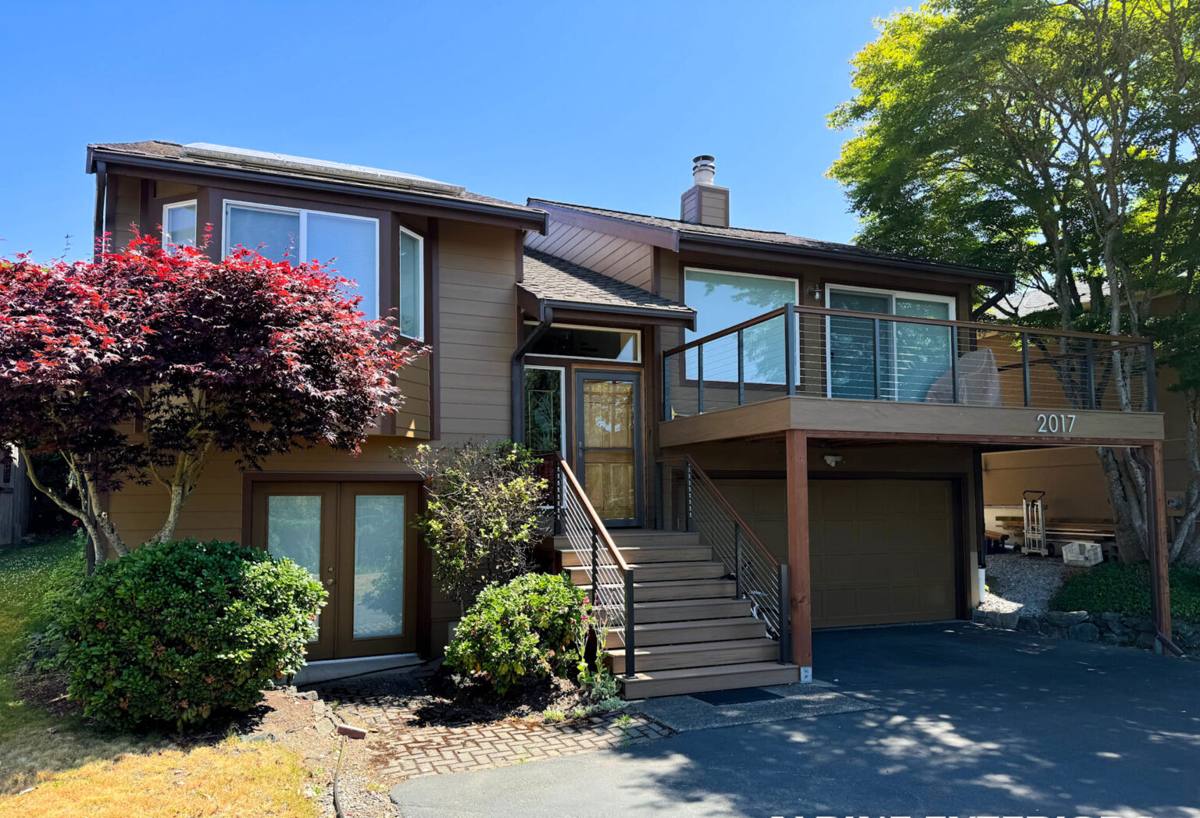
What Salt Air, Rain, and Moss Actually Do to a Roof
Salt Air
Airborne salt from the Strait works on metal fasteners, flashing, and vent components over time. Cheaper or mismatched metal corrodes faster near the coast than it would inland, and once flashing starts to pit or thin, water finds a way underneath it. This is a slow process — you often won't see it until a leak shows up somewhere seemingly unrelated to the actual failure point.
Driving Rain
Whatcom County storms don't always fall straight down. Wind-driven rain gets pushed sideways under shingle tabs, around chimney and skylight flashing, and into any gap that a fair-weather installation might get away with. A roof that would perform fine in a drier climate can leak here simply because the margins for error are smaller.
Moss and Constant Moisture
Shade from mature trees, high humidity, and long stretches of overcast weather give moss everything it needs to take hold on a roof surface. Moss isn't just cosmetic — it holds moisture against shingles, lifts tabs as it grows, and works its way into seams. A roof that stays damp longer ages faster, period.
Signs a Custer Home Needs a Roof Replacement, Not Another Repair
Not every roof problem calls for full replacement, and we'll tell you honestly when a repair is the right call. But certain signs mean the roof has reached the end of its useful life and patching it further is just delaying an inevitable, larger repair bill.
- Shingles that are cupping, curling, or losing granules in large patches rather than isolated spots
- Moss growth that keeps coming back within a season or two of cleaning, especially on north-facing slopes
- Soft or spongy decking felt underfoot in the attic, or daylight visible through the roof boards
- Flashing around chimneys, vents, or skylights that's rusted, lifted, or was never properly sealed
- Multiple active leaks, or leaks that reappear in different spots after repair
- A roof that's 20+ years old (for asphalt) and has never had a full tear-off or inspection of the decking underneath
- Visible sagging along the roofline, which points to structural or decking issues, not just surface wear
What a Correct Roof Replacement Actually Involves
Tear-Off and Deck Inspection
We remove the old roofing down to the deck rather than layering new shingles over old — layering traps moisture and hides problems. Once the deck is exposed, we check for soft spots, rot, or delamination, especially around valleys and penetrations where water has had the most opportunity to sit. Any damaged decking gets replaced before anything new goes down; skipping this step is one of the most common ways a "new" roof fails early.
Underlayment and Water Protection
Given how much wind-driven rain this area sees, underlayment choice matters more here than in drier climates. We use ice-and-water shield in the areas most prone to wind-driven and standing water — eaves, valleys, and around penetrations — with synthetic underlayment across the field of the roof for a consistent secondary water barrier.
Flashing
Flashing is where most leaks actually start, not the field shingles. We install new flashing at every chimney, skylight, wall intersection, and vent rather than reusing old pieces, and we pay particular attention to corrosion-resistant materials given the salt air this close to the water.
Ventilation
A roof that can't breathe traps heat and moisture in the attic, which shortens shingle life and feeds moss growth from underneath as well as above. We check intake and exhaust ventilation balance as part of every replacement and correct it where it's inadequate — this is a step that gets skipped constantly on budget jobs.
Final Material Installation
Only once the deck, water barrier, flashing, and ventilation are right do we install the finish roofing material, following manufacturer specs on nailing pattern and exposure so the warranty is actually valid, not just implied.
Choosing a Roofing Material for Custer's Climate
There's no single "best" roofing material — it depends on your budget, the look you want, and how much long-term maintenance you're willing to take on. Here's how the common options actually compare for a coastal Whatcom County home.
| Material | Typical Lifespan | How It Handles Salt Air & Rain | Moss Resistance | Relative Cost |
|---|---|---|---|---|
| Architectural Asphalt Shingle | 25–30 years | Good with proper flashing and ventilation | Moderate — benefits from algae-resistant granules | $ |
| Standing Seam Metal | 40–50+ years | Excellent when fasteners/flashing are corrosion-rated | High — moss struggles to hold on smooth metal | $$$ |
| Cedar Shake | 20–30 years with upkeep | Attractive but needs regular treatment in wet climates | Low without diligent maintenance | $$$ |
| Synthetic/Composite Shingle | 30–50 years | Good, resists moisture absorption | Moderate to high depending on product | $$ |
For most Custer homeowners, architectural asphalt shingle remains the most practical balance of upfront cost and performance, but if you're planning to stay in the home long-term or you're tired of dealing with moss and moisture issues, metal is worth a serious look. We'll walk through the honest trade-offs for your specific roof rather than steering you toward whatever's easiest for us to install.
Our Roof Replacement Process
1. On-Site Inspection and Written Estimate
We look at the whole roof system — not just the shingles — including attic ventilation, flashing condition, and any signs of decking damage, then give you a written estimate that spells out materials and scope, not just a bottom-line number.
2. Material Selection
We go over the material options that make sense for your home, budget, and how long you plan to stay in it, with straight talk about maintenance expectations for each.
3. Scheduling Around Weather
Given how much rain this area gets, we plan installation windows carefully and keep the roof deck protected any time work has to pause. We don't leave a home exposed overnight if we can help it.
4. Tear-Off and Installation
Full removal of old material, deck inspection and repair as needed, then correct installation of underlayment, flashing, ventilation, and final roofing material as described above.
5. Cleanup and Final Walkthrough
We clear debris and nails from the property, including a magnetic sweep of the yard and driveway, and walk the finished roof with you so you know exactly what was done.
Why It Matters That We Already Work in Custer
A roofing crew that's unfamiliar with this specific stretch of Whatcom County is working from general assumptions. We're not — we know how quickly moss re-establishes on shaded, north-facing roofs here, which flashing details tend to fail first under salt exposure, and how local permitting and inspection typically go. That local familiarity shows up in fewer callbacks and a roof that's actually built for the conditions it has to survive, not just the conditions on a spec sheet.
It also means faster response if something does come up after installation. We're not driving in from out of the area to handle a warranty question — we're already working nearby.
What Affects Roof Replacement Cost and Timeline
Every roof is different, and we won't quote a price without seeing the actual job, but these are the main factors that move the number up or down.
| Factor | Why It Matters |
|---|---|
| Roof size and pitch | Steeper roofs take longer and require more safety setup |
| Number of layers to remove | Tear-off of multiple old layers adds labor and disposal cost |
| Decking condition | Rotted or soft decking needs replacement before new roofing goes on |
| Material choice | Asphalt, metal, and composite options span a wide cost range |
| Roof complexity | Valleys, dormers, chimneys, and skylights all add flashing work |
| Access | Difficult access for equipment and material staging can add time |
Most straightforward asphalt shingle replacements on a typical Custer home take one to three days once work begins, weather permitting. More complex roofs or metal installations take longer. We'll give you a realistic timeline as part of your estimate, not an optimistic best-case that we know we can't hit.
A Few Things Worth Asking Before You Commit
- Does the estimate include full tear-off, or is it a layover job?
- What underlayment is specified, and where is ice-and-water shield being used?
- Is flashing being replaced, or reused from the old roof?
- Will attic ventilation be assessed and corrected if needed?
- What's covered under workmanship warranty versus manufacturer material warranty?
- Is the contractor licensed and insured to work in Washington, and can they show proof?
If a contractor can't answer these clearly, that's worth noting before you sign anything.
If your roof is showing its age or you just want an honest opinion on whether repair or replacement makes more sense for your Custer home, we're happy to take a look. Fill out the form below for a free, no-pressure estimate.