 Birch Bay
 Roof Repair Built for Cottonwood Beach's Shoreline Exposure
Cottonwood Beach sits close to the water in Birch Bay, and that location is a mixed blessing for a roof. The same marine air that makes the neighborhood a nice place to live also speeds up wear on shingles, flashing, and fasteners in ways that homes further inland in Whatcom County don't deal with as much. A roof repair here isn't just patching a leak — it's addressing what salt air, driving rain, and a long moss season have already started doing to the rest of the roof while you weren't looking.
We work on roofs throughout Birch Bay, and Cottonwood Beach has its own pattern of problems tied to that shoreline exposure. This page covers what actually goes wrong on roofs in this area, what a repair should include if it's going to hold up, and how we approach the job.
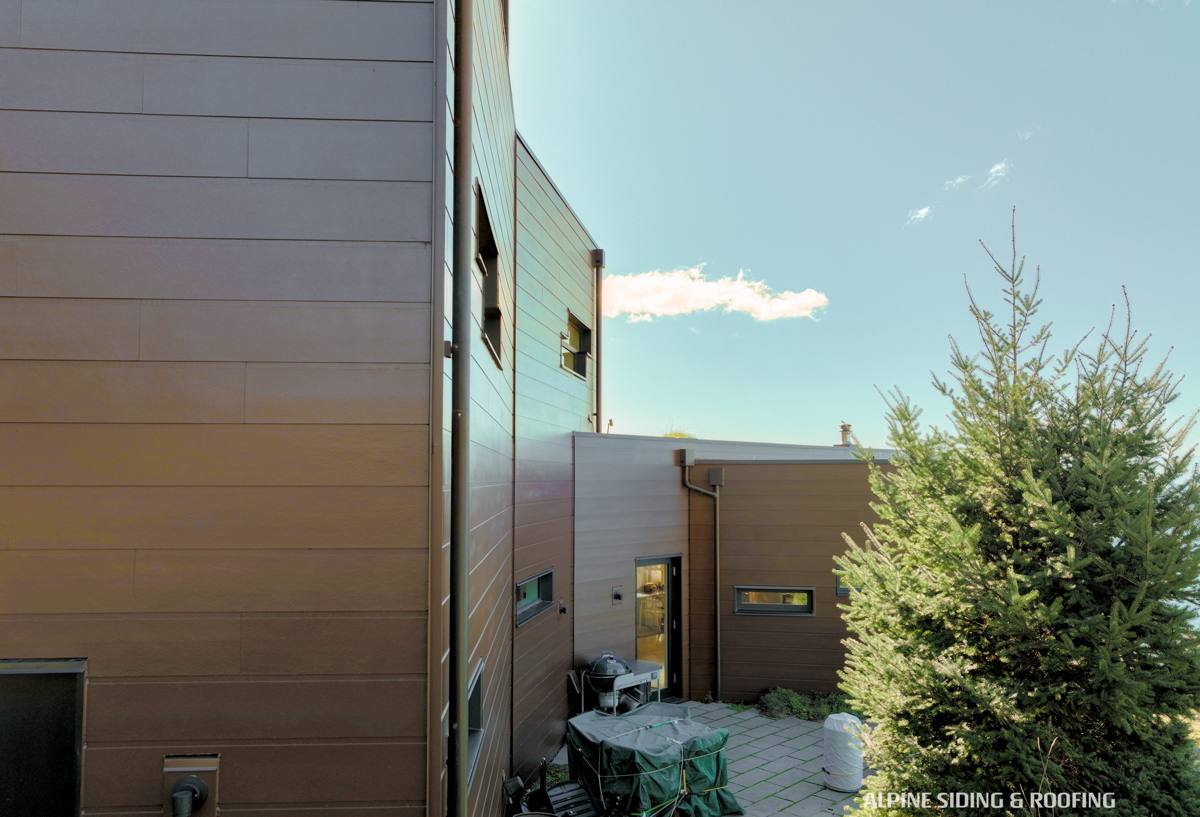
What the Local Climate Does to a Roof
Salt Air and Corrosion
Homes close to the water get a steady dose of salt-laden air, and that air is hard on anything metal on a roof — nails, flashing, vent boot collars, and gutter hardware. Corrosion weakens fasteners before the shingles above them show any obvious damage, which is why a roof section can look fine from the ground while the flashing or nails underneath are already failing. This factor matters more for homes within a block or two of the shoreline than it does further inland in Birch Bay.
Driving Rain and Wind
Wind off the water pushes rain sideways instead of letting it fall straight down, and that changes where a roof actually leaks. Wind-driven rain finds its way under shingle edges, up under ridge caps, and through marginal flashing details that would hold up fine in calmer weather. Repairs that only address the spot where water shows up inside the house, without accounting for wind direction, tend to fail again in the next storm off the water.
The Long Moss Season
Whatcom County's wet season runs long, and shaded or north-facing roof sections in Birch Bay can stay damp for months at a stretch. That's exactly what moss needs. Moss doesn't just look bad — it holds moisture against the roofing material, lifts shingle edges as it grows, and works its way under flashing over time. A roof with heavy moss coverage usually has damage happening underneath that isn't visible until the moss is cleared away.
Signs a Cottonwood Beach Roof Needs Repair
Some of these are obvious from the ground; others take a closer look. If you're seeing any of the following, it's worth having someone check before it turns into an interior repair too:
- Moss buildup along shaded slopes, ridges, or valleys
- Granules collecting in gutters or at downspout outlets
- Shingles that look curled, lifted, or cracked at the edges
- Rust streaking below metal flashing or vent pipes
- Water stains on interior ceilings, especially after windstorms
- Soft or spongy spots underfoot when the roof is walked (we check this, not homeowners)
- Daylight visible through the attic roof deck
- Flashing that's separated, caulked-over, or visibly rusted at chimneys and valleys
What a Correct Roof Repair Actually Involves
Diagnosis Before Patching
A leak inside the house doesn't always show up directly below the actual entry point on the roof — water travels along the underlayment or framing before it drips. A repair that just seals the ceiling stain from above without tracing the real path usually leaks again. Correct repair starts with finding where water is actually getting in, which sometimes means checking the attic from inside as well as the roof surface itself.
Flashing and Transitions
Most roof leaks happen at transitions — chimneys, skylights, roof-to-wall junctions, valleys, and vent penetrations — not in the open field of shingles. Given the driving rain this area gets, we pay particular attention to how flashing is layered with the underlayment and shingles rather than just caulked over the top, since caulk alone is a short-term fix that fails faster in this climate than it would somewhere drier and calmer.
Matching Materials
Patching in shingles that don't match the existing roof in type, weight, or wear level creates a visible patch and can create a performance mismatch too — different products shed water and handle wind differently. When an exact match isn't available because a roof has aged, we'll explain the trade-off honestly rather than mismatch materials in a spot where it's likely to fail early.
Working Safely in Wet, Windy Conditions
Cottonwood Beach roofs are often exposed to gusts coming straight off the water, and a damp roof surface changes what's safe to do and when. We schedule around weather rather than pushing to finish a repair on a roof that's too wet or too windy to work safely, which sometimes means a job takes a day or two longer than it would inland — that's a trade-off for doing it right rather than rushing it.
Repair or Replace? What We Actually Weigh
Not every roof problem in Cottonwood Beach calls for a full replacement, and not every one is a good candidate for another round of patching. These are the main factors that push the decision one way or the other:
| Factor | Leans Toward Repair | Leans Toward Replacement |
|---|---|---|
| Age of roofing material | Under roughly two-thirds of its expected lifespan | Near or past its expected lifespan |
| Extent of damage | Isolated to one section, valley, or penetration | Spread across multiple slopes or the whole roof |
| Moss/algae history | Recent growth, deck still sound underneath | Repeated moss cycles with deck or sheathing damage |
| Number of past repairs | First or second repair on this roof | Long history of patches in different spots |
| Underlayment condition | Still intact where checked | Deteriorated or past its rated life |
We'll always give you our honest read on which side of that table your roof falls on. We'd rather tell you a repair should hold for several more years than sell a replacement you don't need yet — or the reverse.
What Influences the Cost of a Repair
We don't quote prices without seeing the roof, but the same factors tend to drive cost up or down on every job:
- Accessibility. Steep pitches, multiple stories, or tight roof access take more time and equipment than a simple single-story slope.
- Scope of the actual damage. A single flashing detail or a handful of shingles is a modest fix; damage that's spread across a slope or into the decking is more involved.
- What's underneath. Repairs that turn up rotted decking or failed underlayment once we open things up cost more than the surface-level fix we started with, because of the added tear-out and materials.
- Material matching. Discontinued or hard-to-match shingle lines sometimes mean sourcing a close equivalent, which can affect both cost and appearance.
Simple flashing or shingle repairs are typically the least expensive category of roof work; repairs that uncover hidden moisture damage cost more, mainly because of what has to be replaced underneath, not because of the labor to fix the visible problem alone.
Our Roof Repair Process
- Inspection. We walk the roof, weather permitting, and check the attic from inside where access allows — looking at flashing, fasteners, moss coverage, and the deck itself, not just the spot where a leak showed up.
- Written estimate. You get a clear explanation of what we found, what we recommend, and why — including if we think repair is enough and replacement isn't needed yet.
- Repair work. Depending on the issue, this can mean replacing damaged shingles, rebuilding flashing at a transition, resealing a vent boot, or replacing sections of underlayment and deck if water has gotten that far.
- Cleanup and moss treatment. Where moss is a factor, we clear it as part of the job and talk through what keeps it from coming back as fast.
- Follow-up. If something doesn't hold the way it should, we want to hear about it and come back to make it right.
If the damage followed a significant windstorm, we can document what we find in a way that's useful if you decide to file a homeowner's insurance claim, since storm-driven damage is sometimes covered where routine wear isn't.
Why a Crew That Already Works This Neighborhood Matters
Roof repair in Cottonwood Beach isn't the same job as roof repair twenty miles inland, and a crew that mostly works drier, more sheltered parts of Whatcom County can miss things that are second nature to someone who works this shoreline regularly — where wind-driven rain tends to find its way in, which roof orientations grow moss fastest, and how much salt-air corrosion to expect on a roof of a given age. That local pattern recognition is part of what makes a repair actually last instead of needing to be redone in a year or two.
It also matters for timing. Weather windows for roof work in Birch Bay can be narrow during the wet season, and a crew already scheduling jobs in the area can often get to a leak faster than one coming from further away — which matters when water is actively getting into your house.
Protecting Your Roof Between Repairs
A repair holds longer when it's not fighting the same conditions unchecked in between. A few habits make a real difference on a Cottonwood Beach roof:
- Keep gutters and downspouts clear, especially heading into fall storms
- Have moss addressed before it spreads across a whole slope, not after
- Trim back overhanging branches that keep roof sections shaded and damp
- Check attic ventilation — a poorly ventilated attic holds moisture that works against the roof from underneath
- Get a fresh set of eyes on the roof after any major windstorm, even without a visible leak
- Don't let small repairs go — a single lifted shingle is a much smaller job than the water damage it eventually causes
If you're dealing with a leak, visible moss, or just want an honest read on where your roof stands, we're happy to take a look. Use the form below to request a free, no-pressure estimate.