 Birch Bay
 Why Cottonwood Beach Homes Take a Different Kind of Beating
Homes near Cottonwood Beach sit close enough to the water that their windows deal with a different mix of stress than a house a few miles inland in Whatcom County. Salt-laden air corrodes exposed hardware and works into weep holes and hinges over years, not weeks, which is exactly why it gets missed until a window won't latch right or a lock has seized up. Driving rain, pushed sideways by wind coming off the water, tests every seal and sill the moment a real storm rolls through. And the long, damp moss season here means anything that stays wet for days at a stretch — a sill, a bottom rail, a frame corner — becomes a candidate for rot if it wasn't detailed correctly when it went in. Picking an energy-efficient window is only half the job. How that window is built and how it's installed for this specific exposure matters just as much as the glass package printed on the label.
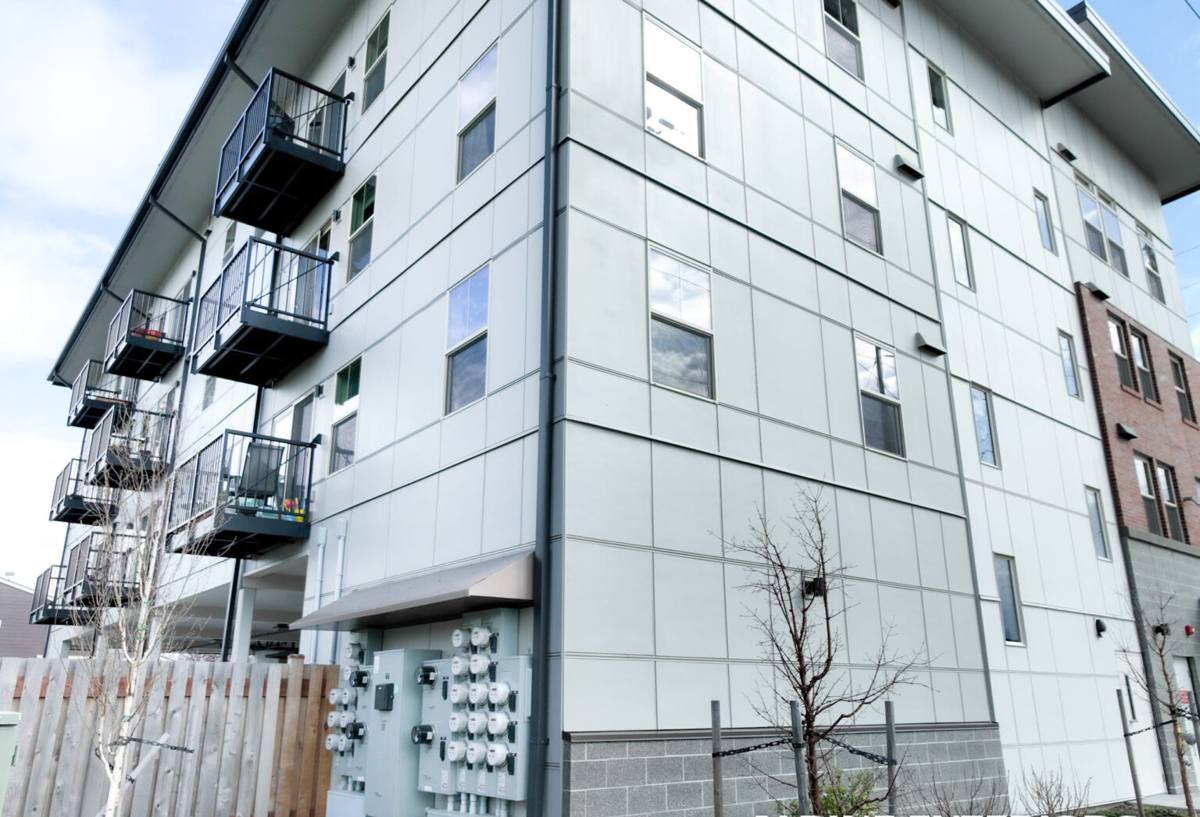
What "Energy-Efficient" Actually Means for This Climate
Every new window sold in the U.S. carries an NFRC label with two numbers that matter most: U-factor and SHGC (solar heat gain coefficient). U-factor measures how much heat escapes through the window — lower is better, and in a heating-dominated climate like ours, this is the number to prioritize. SHGC measures how much solar heat the glass lets in, which matters more in climates with long, intense summer sun. Around Birch Bay, where the bigger year-round cost is keeping heat inside a damp, gray house, U-factor deserves more weight than SHGC in most of the decisions homeowners make.
Underneath that label, a handful of features actually drive the performance:
- Double vs. triple pane: Triple-pane glass insulates better and cuts down on the cold-radiating feeling near a window, but it adds weight and cost. Double-pane with a good low-E coating and gas fill is often the more practical choice unless a room has an unusually large glass area or a north-facing exposure that never gets sun.
- Low-E coatings: A microscopically thin coating that reflects heat back into the room in winter without noticeably darkening the glass. This is standard on any window worth installing today.
- Gas fill: Argon (sometimes krypton) between panes is a better insulator than plain air and is standard on quality units.
- Warm-edge spacers: The material separating the panes at the edge of the glass. Older aluminum spacers conduct cold and cause condensation right at the glass edge; warm-edge spacers reduce that.
Signs Your Current Windows Are Working Against You
Most homeowners don't replace windows because they woke up thinking about U-factors — they replace them because something is visibly or physically wrong. In this climate, watch for:
- A steady draft you can feel with your hand near the frame, especially during a windy, rainy stretch
- Fog or condensation trapped between the panes — this means the seal has failed and the insulating gas is gone; it can't be cleaned, only replaced
- Frames or glass that feel noticeably cold to the touch compared to the wall around them
- Windows that stick, won't stay open, or are hard to lock — often a sign wood has swollen from repeated moisture exposure
- Soft wood, dark staining, or a musty smell at the sill or bottom corners
- Visible pitting or a chalky white residue on hardware and frames, a common salt-air symptom
Frame Materials That Actually Hold Up Near Salt Air
Frame material choice matters more here than it does further inland, since salt exposure and constant damp shorten the life of the wrong material. There's no single right answer for every home — it depends on budget, the home's style, and how much upkeep an owner wants to take on.
| Frame Material | Salt Air / Moisture Behavior | Maintenance | General Cost Tier |
|---|---|---|---|
| Vinyl | Won't corrode or rot; performs well in damp, salty air | Low — occasional cleaning | Lower |
| Fiberglass | Excellent stability, resists corrosion, handles temperature swings without warping | Low | Higher |
| Wood-clad | Good insulator but the wood core is vulnerable if exterior cladding is ever breached | Moderate to high — needs sealant and paint upkeep watched closely | Higher |
| Aluminum | Prone to corrosion and pitting in salt air unless heavily coated; conducts cold | Moderate | Lower to moderate |
We steer most Cottonwood Beach homeowners toward vinyl or fiberglass for this reason — not because wood-clad or aluminum are bad products, but because a frame that needs less babysitting against salt and moisture is one less thing to worry about a few years down the road. If a home's style calls for a wood-frame look, we'll talk through what that upkeep commitment realistically looks like this close to the water before anyone signs off on it.
What a Correct Installation Actually Involves
The window unit itself is maybe half of how it performs over time. The other half is installation detail, and this is where a lot of problems start — not because a product failed, but because the opening around it wasn't built to shed water correctly.
A proper install includes:
- A sloped sill pan under the window that directs any water that gets past the exterior seal back outside instead of into the wall framing
- Correct flashing sequence that ties into the home's weather-resistive barrier (house wrap) in the right shingle-lap order, so water is always directed down and out, never trapped behind the siding
- Sealant at the right layers — not just a bead of caulk around the trim, but sealed integration at the flanges and rough opening
- Proper shimming and squaring so the window operates smoothly and doesn't rack out of alignment as the house settles or the wood swells and shrinks seasonally
- Insulated gap fill between the frame and rough opening — done with a low-expansion foam or backer rod, not stuffed with fiberglass that leaves air gaps
Skip any one of these steps and the window can look fine for a year or two while water quietly works its way into the wall assembly behind it — which is a far more expensive problem to fix than the window itself.
Our Process for a Cottonwood Beach Window Project
- On-site assessment: We look at every window being considered, check the condition of the surrounding trim, siding, and sill for existing moisture damage, and talk through what's actually driving the replacement — comfort, drafts, appearance, or a maintenance headache.
- Measure and product selection: Exact measurements are taken for each opening, since older homes are rarely perfectly square. We walk through frame material, glazing package, and grille or hardware options based on the home's style and the homeowner's priorities.
- Scheduling and lead time: Windows are custom-ordered to the exact opening, so there's a lead time between ordering and installation. We give a realistic timeframe up front rather than a guess.
- Removal and protection: Interior and exterior work areas are protected before the old unit comes out, and we check the framing and sill condition the moment it's exposed — this is often when hidden moisture damage from a previous poor install shows up.
- Installation and flashing tie-in: The new window is set, shimmed, and flashed to properly integrate with the existing siding and weather barrier, with sealant applied at every layer that needs it, not just the visible trim line.
- Cleanup and walkthrough: We clean up debris, confirm every window operates and locks correctly, and walk the homeowner through anything they should know about care going forward.
Cost Factors to Expect
Every home is different, so we won't put a blanket number on a project before seeing it — but these are the variables that actually move the price, so a homeowner can understand where their money is going.
| Factor | How It Affects Cost |
|---|---|
| Number and size of windows | More openings and larger glass areas mean more material and labor |
| Frame material | Vinyl is typically the most budget-friendly; fiberglass and wood-clad run higher |
| Glazing package | Triple-pane, upgraded low-E coatings, and specialty glass (tempered, laminated) add cost over a standard double-pane package |
| Accessibility | Upper-story or hard-to-reach windows take more time and sometimes equipment |
| Existing damage | Rotted sills or framing found during removal need repair before the new window goes in — this is why an accurate quote requires seeing the actual opening |
| Trim and siding tie-in | Matching existing trim profiles or repairing siding disturbed during the swap adds labor |
Maintaining Windows in a Salt Air, Moss-Prone Environment
A good window and a good install still benefit from a little seasonal attention this close to the water. None of this is complicated, but it's easy to let slide.
- Rinse salt film off exterior glass and frames a few times a year, especially after a stretch of onshore wind
- Keep weep holes at the base of the frame clear of debris and moss growth so water has somewhere to drain
- Check hardware — locks, hinges, cranks — for stiffness or corrosion and address it before it seizes
- Inspect exterior sealant lines once a year; a cracked or shrunken bead is easy to catch early and far cheaper to fix than water damage later
- Keep nearby vegetation trimmed back so windows and sills get some airflow and sun exposure instead of staying damp and shaded all season
- Clear gutters and downspouts near window openings so overflow isn't running down onto sills and trim
Why Hire a Crew That Already Works Cottonwood Beach
A window that performs well in a drier inland climate can underperform here if it's not detailed for wind-driven rain and salt exposure — and a crew that hasn't worked this stretch of Whatcom County may not think to flash and seal accordingly. Knowing which direction storms typically push rain against a given exposure, which frame materials hold up and which ones we've seen struggle in this air, and how to properly tie a new window into existing siding without leaving a weak point behind — that's the kind of detail that only comes from doing this work in this specific area, not from installing windows in general.
If you're noticing drafts, fogged glass, or windows that just don't feel like they're doing their job anymore, we're happy to come take a look. We offer free, no-pressure estimates — just fill out the form below and we'll get in touch to schedule a time that works.