 Birch Bay
 Windows Built for Birch Bay Village, Not Just Any House
Birch Bay Village sits close enough to the water that its homes take a different kind of weather beating than houses a few miles inland. Salt-laden air off the bay, wind-driven rain that finds its way sideways under eaves, and a long, damp moss season all work on window frames, sills, and seals year-round. A window that performs fine in a dry inland climate can fail early here if it wasn't chosen and installed with this specific exposure in mind. Custom windows for Birch Bay Village homes means matching the frame material, glass package, and installation detailing to what this stretch of Whatcom County actually throws at a house — not installing whatever's cheapest or most common elsewhere in the state.
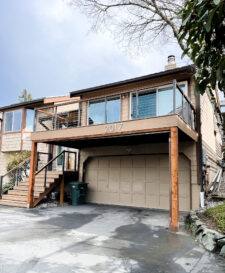
What Salt Air, Rain, and Moss Actually Do to Windows Here
Salt Air and Corrosion
Airborne salt from Birch Bay settles on hardware, tracks, and any exposed metal components. Over years, it accelerates corrosion on lesser-quality hinges, latches, and screws, and it can pit or dull aluminum frames and cladding that aren't rated for coastal exposure. This is one reason frame material selection matters more here than it would for a home twenty miles inland.
Wind-Driven Rain and Moisture Intrusion
Storms coming off the water don't just fall straight down — they push rain horizontally against west- and north-facing walls. That kind of driving rain finds any weak point in flashing, caulking, or window-to-wall transitions. Once water gets behind a window frame, it can sit there for months before it shows up as a stain, soft trim, or a musty smell, by which point there's often already rot in the framing.
Moss, Algae, and the Long Wet Season
Whatcom County's extended damp season keeps wood trim, sills, and shaded corners of a house wet for long stretches. That's ideal for moss and algae growth, which holds moisture against the surface even longer and speeds up decay in untreated or poorly sealed wood components. Windows with exposed, unprotected wood exteriors are especially vulnerable in shaded or north-facing locations common in this neighborhood.
What a Correct Custom Window Installation Actually Involves
Accurate Measuring and Fit
"Custom" starts with the opening itself. Many homes in this area, especially older ones, have openings that have shifted slightly over decades of settling and seasonal moisture cycling. A correct job means measuring each opening individually rather than assuming uniform sizing, and building or ordering windows that fit that specific opening — not forcing a standard size into a slightly irregular frame with extra caulk.
Flashing and Moisture Barriers
This is the step that determines whether a window survives coastal weather or leaks within a few winters. Proper flashing — installed in the correct shingle-style overlap with the home's weather-resistive barrier — routes any water that gets past the exterior trim back out, instead of into the wall cavity. Skipping or rushing this step is the single most common cause of hidden water damage behind replacement windows.
Sealing, Insulation, and Air Gaps
Once the window is set and shimmed level and plumb, the gap between the frame and the rough opening needs to be insulated and sealed properly — not just foamed and forgotten. Done right, this stops drafts, reduces condensation risk on cold mornings, and keeps the assembly performing the way it's rated to.
Choosing the Right Frame Material for This Location
There's no single "best" window material for every home — it depends on the home's exposure, your maintenance preferences, and budget. Here's how the common options hold up specifically in a salt-air, high-rainfall setting like Birch Bay Village.
| Frame Material | Coastal Performance | Maintenance | Trade-Offs |
|---|---|---|---|
| Vinyl | Good — won't corrode or rot; handles salt air well | Low; occasional cleaning | Limited color/finish options; can expand and contract with temperature swings |
| Fiberglass | Very good — highly stable, resists moisture and salt exposure | Low | Higher upfront cost than vinyl |
| Wood-clad | Fair to good — depends heavily on cladding integrity and detailing | Higher; exposed wood needs monitoring in damp, shaded spots | Best interior appearance; more sensitive to installation quality |
| Aluminum | Weaker in salt air unless specifically coastal-rated; prone to pitting over time | Moderate | Strong and slim sightlines, but not our first recommendation this close to the water |
For most Birch Bay Village homes, we steer clients toward vinyl or fiberglass for the balance of durability and low upkeep, and reserve wood-clad for homeowners who specifically want that interior look and are prepared for the added maintenance. We'll walk through the honest trade-offs for your home's exposure rather than pushing one product on everyone.
Glass and Performance Options Worth Considering
The glass package matters as much as the frame in a marine climate. A few things worth understanding before you choose:
- Low-E coatings reduce heat loss in winter and help control interior condensation on cold, damp mornings — common in this climate.
- Argon or krypton gas fill between panes improves insulation value without changing the window's appearance.
- Dual-pane is standard for most replacement projects and offers a solid balance of cost and performance.
- Triple-pane adds further insulation and sound dampening, worth considering on north- or west-facing walls that take the brunt of wind and rain, though it comes at a higher cost and added window weight.
- Warm-edge spacers (instead of older metal spacers) reduce condensation risk at the glass edge — a detail that matters more in consistently damp climates.
Signs Your Birch Bay Village Windows Need Attention
Because moisture damage often develops out of sight, it helps to know what to watch for before a small problem becomes a structural one:
- Soft, discolored, or spongy trim or sill wood around the window frame
- Persistent fogging or moisture between panes (a sign the seal has failed)
- Visible moss or dark streaking on sills, trim, or the wall just below a window
- Drafts or noticeable temperature difference near the window on windy days
- Difficulty opening, closing, or latching — often a sign of frame movement or swelling
- Peeling paint or bubbling on interior or exterior trim near the frame
- Rising energy bills without another clear explanation
Any one of these on its own isn't necessarily an emergency, but catching them early usually means a smaller repair instead of a full opening rebuild.
Our Process, From Estimate to Cleanup
- On-site assessment of each window opening, noting existing damage, framing condition, and sun/wind exposure
- Honest recommendation on frame material and glass package based on that specific wall's exposure — not a one-size-fits-all pitch
- Precise measurement and ordering to the actual opening dimensions
- Removal of the old window with a check for hidden rot or water damage in the framing before the new unit goes in
- Proper flashing, air-sealing, and insulation of the new window per manufacturer specifications
- Exterior trim and finish work to match the home
- Final walkthrough and cleanup, including debris and old window disposal
What Affects the Cost of a Custom Window Project
| Factor | Why It Matters |
|---|---|
| Number and size of windows | Larger openings and full-home projects have different economies of scale than single-window replacements |
| Frame material | Vinyl, fiberglass, and wood-clad carry different material and labor costs |
| Glass package | Triple-pane, upgraded Low-E coatings, and specialty glass add cost over standard dual-pane |
| Condition of the existing opening | Hidden rot or out-of-square framing found during removal adds repair time before the new window can go in |
| Trim and finish work | Matching existing exterior trim profiles or repainting/staining adds labor |
We give straightforward, itemized estimates so you can see what you're paying for and where — no vague lump-sum numbers.
Why It Matters to Hire a Crew That Already Works in Birch Bay Village
A contractor who regularly works this specific neighborhood already understands its exposure pattern — which walls take the worst of the wind-driven rain, how much shade certain lots get and how that affects moss growth, and what kind of wear is typical on homes of a given age here. That familiarity shows up in small but important decisions: how much flashing overlap to use, which frame materials to steer clients toward, and where to pay extra attention during removal to check for hidden moisture damage. It also means straightforward logistics — knowing the area, understanding typical HOA or neighborhood expectations around exterior appearance, and being available for a follow-up visit without a long drive.
We're a Washington-based crew that works Whatcom County regularly, including Birch Bay and the surrounding communities, so we're not learning this coastline's quirks on your project.
If you're weighing window replacement or a custom window project for your Birch Bay Village home, we're happy to take a look and give you a straightforward, no-pressure estimate — just fill out the form below to get started.