 Birch Bay
 Siding Repair for Sumas Homes
We built our reputation working the waterfront in Birch Bay, where salt air, driving rain, and a moss season that barely lets up have taught us exactly what it takes to keep siding sound for the long haul. That same standard travels inland with us when we take repair calls in Sumas. Sumas sits back from the water in the flatter, lower part of Whatcom County near the Canadian border, so it doesn't get the same direct salt spray a bay-front home does, but it more than makes up for that with its own driving rain, valley damp, and a moss and mildew season that runs nearly as long. Siding out here fails for real, specific reasons, and repairing it correctly means understanding those reasons rather than just patching whatever's visible and moving on.
This page is specifically about siding repair — not a full re-side pitch. Plenty of Sumas homes don't need to lose their existing siding; they need a competent, honest assessment of what's actually wrong, a repair that matches the existing wall, and a fix at the source of the water intrusion instead of a cosmetic patch over it.
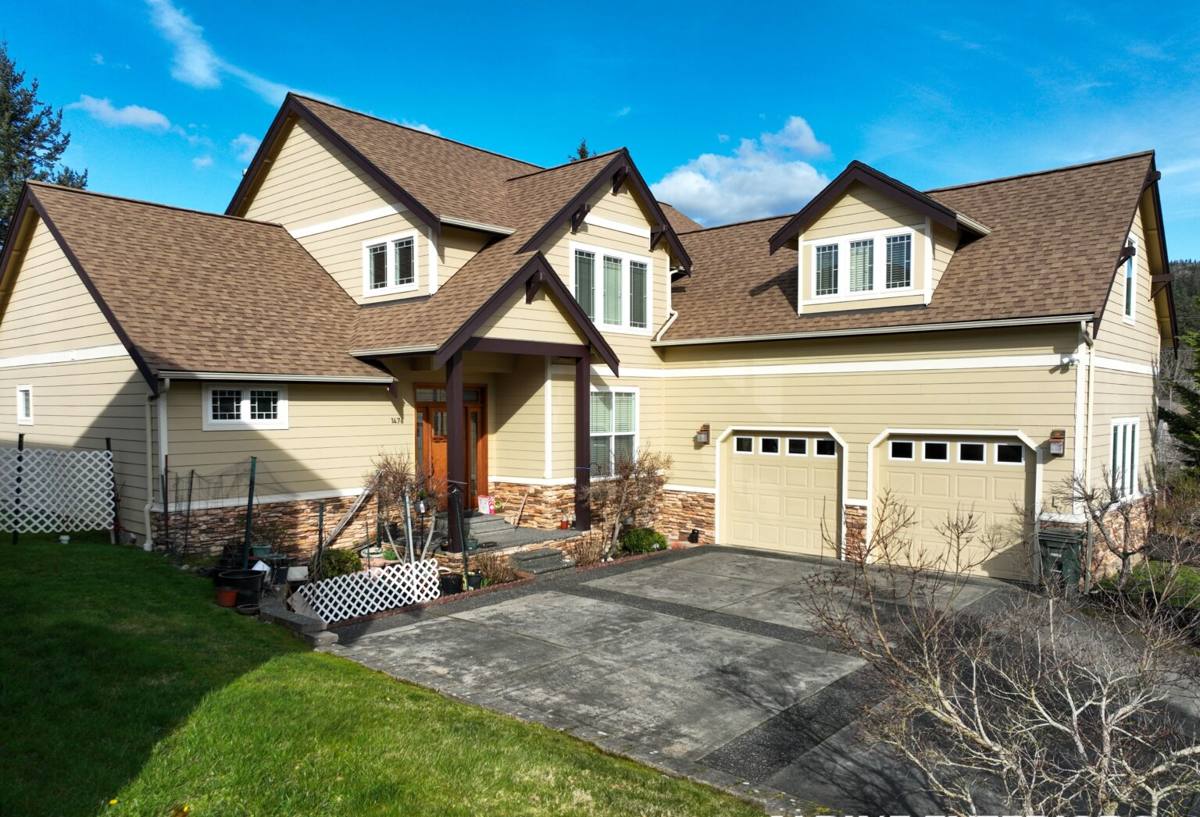
What This Climate Does to Siding Over Time
Wind-Driven Rain
Storms moving through this part of Whatcom County rarely drop rain straight down. Wind pushes it sideways into siding joints, corner boards, and window trim, which is a heavier and more sustained load on the wall assembly than a simple annual rainfall total suggests. Repair calls we see most often trace back to a joint, seam, or piece of trim that was never detailed to handle rain coming in from the side rather than from above.
A Long Moss and Mildew Season
Mild temperatures, shaded wall area, and consistent regional moisture add up to a moss and mildew season that stretches across most of the year in this part of the county. It usually shows up first as dark staining or green growth on north-facing or tree-shaded walls, and it's more than a cosmetic problem — sustained organic growth holds moisture directly against the siding and the wall behind it, which is often what we find once we pull a damaged panel and look underneath.
Valley Damp and Occasional Hard Frost
Being set back from the water and closer to the border, Sumas sees more valley humidity and a few more hard frosts each winter than a waterfront property does. That combination matters for repairs: water that's already worked its way into a crack or an open joint and then freezes will expand and make the damage worse, turning a small repair into a bigger one if it sits through even one cold snap unaddressed.
Common Siding Repair Calls We Get in the Sumas Area
Cracked, Split, or Impact-Damaged Panels
Storm debris, ladder contact, lawn equipment, and simple age all cause isolated panel damage. A single cracked or split section doesn't usually call for tearing off a whole wall — it calls for removing the damaged piece and installing a matched replacement correctly integrated into the surrounding siding.
Failed Caulk and Open Joints
Caulk is a wear item, not a permanent seal. Once it cracks, shrinks, or pulls away at a joint or trim edge, wind-driven rain has a direct path behind the siding. We see a lot of repair calls where the actual damage is minor, but the failed sealant that let water in has been ignored for a season or two too long.
Hidden Moisture Behind Siding
Sometimes the visible symptom — a soft spot, a stain, a slightly bulging panel — is just the tip of a moisture problem that's been developing behind the wall for a while. This is the category of repair call where guessing gets expensive, because the actual entry point is often a flashing detail or a gap several feet away from where the damage shows up.
Moss and Mildew Staining
Not every dark patch on a wall is a structural problem. Sometimes it's surface growth that cleans off and doesn't come back once the underlying moisture source is addressed. Telling the difference between cosmetic staining and a sign of deeper trouble is part of doing an honest repair assessment instead of upselling work that isn't needed.
Repair or Replace? How We Make That Call
Not every siding problem in Sumas needs a full re-side, and not every problem should be patched either. We look at the extent of the damage, what's happening behind the siding, and what the existing material actually is before recommending either path.
| What We Find | Repair Usually Makes Sense | Replacement Usually Makes Sense |
|---|---|---|
| Damage extent | Isolated panels or a single wall section | Damage spread across multiple walls or elevations |
| Moisture history | Recent, localized intrusion caught early | Long-term trapped moisture, soft sheathing, or rot |
| Existing material | James Hardie fiber cement installed to spec | Older wood, vinyl, or another product nearing the end of its service life |
| Overall condition | Otherwise sound siding with one failure point | Siding already showing widespread wear across the home |
When the honest answer is repair, we say so and quote a repair. When the damage or the underlying material tells a different story, we'll explain exactly why a patch would be a short-term fix on a longer-term problem.
What a Correct Siding Repair Actually Involves
Matching Material and Finish
A repair that doesn't match the surrounding siding in profile, exposure, and color stands out for the life of the house. On James Hardie siding, we match panel profile and use the correct ColorPlus finish where the product is still in production; on older or weathered walls, we're upfront about where a perfect color match isn't realistic and what the options are.
Fixing the Cause, Not Just the Symptom
Replacing a damaged panel without correcting the flashing, drainage gap, or open joint that let water in behind it is a temporary fix. Every repair we do includes a look at why that section failed in the first place, whether that's a missing kick-out flashing, a caulked joint that should have been lapped, or a grade line sitting too close to the bottom of the wall.
Fasteners and Sealant Done Right
Repairs get the same fastener spacing and sealant specification as new installation work, not a quicker, looser version because it's "just a patch." A repair done to a lower standard than the original installation just becomes the next callback.
Why We Only Install James Hardie — and What That Means for Repair Work
We install James Hardie fiber cement exclusively on new siding work. We don't install LP SmartSide, vinyl, Cemplank, Allura, primed spruce, or cedar, because after years of service calls in this climate, Hardie's non-combustible core, factory-applied ColorPlus finish, and climate-engineered HZ formulations have held up better than the alternatives with far less ongoing maintenance for the homeowner.
For repair work, that standard shapes how we handle every job. If your home already has Hardie siding, we can typically source a matching panel and finish and integrate a repair cleanly. If your home has an older wood, vinyl, or discontinued product, we'll still assess and repair what we can, but we'll also be honest if a section is patched together with mismatched material or reaching the point where full replacement with Hardie is the more sensible long-term move — not because we're trying to upsell a re-side, but because a string of mismatched patches on a failing product usually costs more over time than doing it right once.
Our Sumas Siding Repair Process
- On-site inspection of the damaged area and a check of the wall assembly around it for signs the moisture traveled further than the visible damage suggests
- An honest diagnosis of the actual cause — impact, failed sealant, flashing, or trapped moisture — not just a description of what's visible
- A clear, written repair scope and price before any work starts
- Repair work carried out with matched material, correct fastening, and proper flashing or sealant detail at the source of the problem
- A final walk-through so you know exactly what was fixed and why
Signs Your Sumas Home May Need a Siding Repair Call
- A cracked, split, or visibly damaged siding panel anywhere on the home
- Caulk that's cracked, shrunk, or pulled away from a joint or trim edge
- Soft or slightly bulging siding, especially low on a wall or near grade
- Moss or dark staining on a shaded wall that keeps coming back after cleaning
- Peeling paint or discoloration around a specific window, corner, or trim board
- Any water stain on an interior wall or ceiling near an exterior wall after a windy storm
Why Hiring a Crew That Already Works Sumas Matters
A repair crew that regularly works both the Birch Bay waterfront and inland communities like Sumas has already seen how differently those two settings stress a wall assembly — one dealing with salt-laden marine air and constant wind, the other with valley damp, wind-driven rain, and a few more hard frosts each winter. That range of experience matters on a repair call, because diagnosing the real cause of a moisture problem depends on understanding the specific conditions a given wall has been exposed to, not applying a generic checklist to every job.
If you've got a section of damaged, stained, or failing siding on a Sumas home, we're glad to take a look and give you a straight answer on what it needs. Reach out using the form below for a free, no-pressure estimate.