 Birch Bay
 Windows Built for Sandy Point's Coastline, Not a Showroom
Sandy Point sits right where Whatcom County meets the water, and that location is exactly what makes window installation here different from a job ten miles inland. Homes on or near this stretch of coastline take on salt-laden air, wind-driven rain that comes in sideways off the strait, and long stretches of shade and dampness that keep moss and algae established year-round. A window that's installed correctly in a drier, more sheltered part of Whatcom County can still fail early in a spot like this if it wasn't built and installed with coastal exposure in mind.
This page is about one job: installing windows for homes in the Sandy Point area, done in a way that actually holds up to the conditions this neighborhood sees every year.
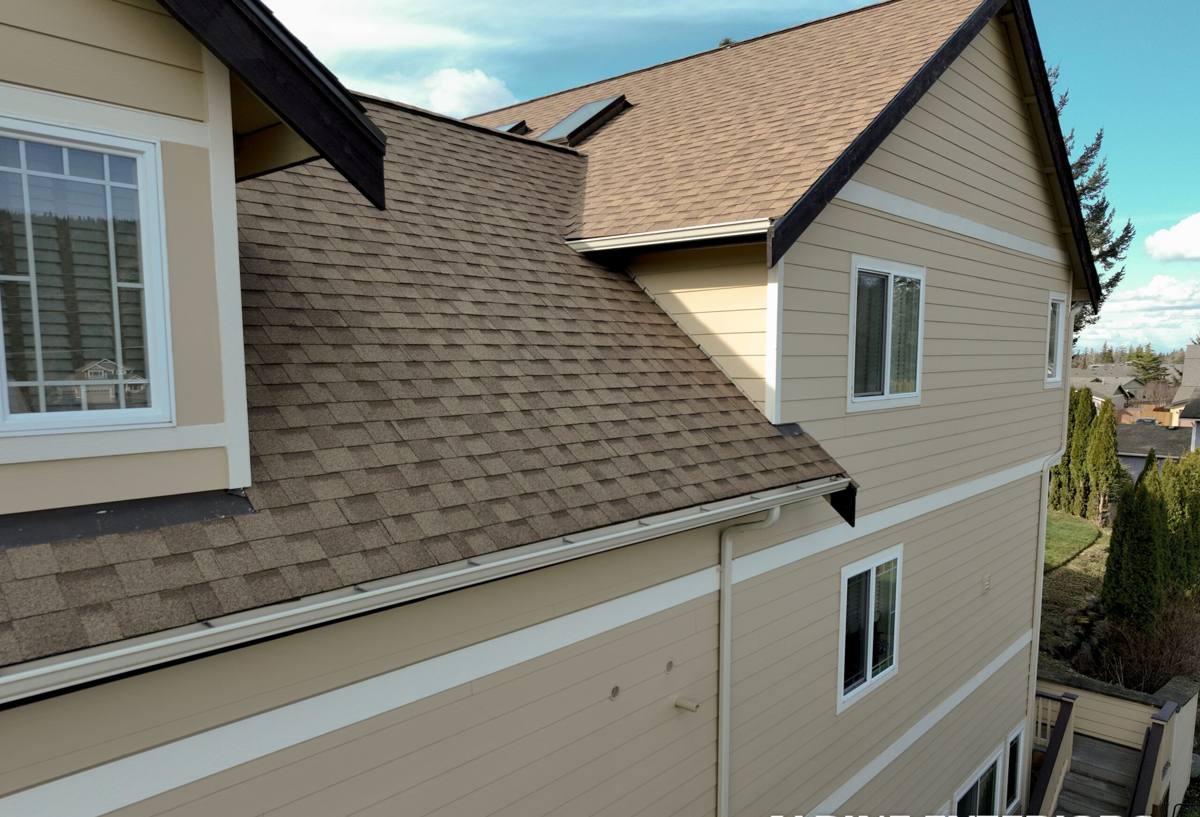
What Salt Air, Driving Rain, and Moss Season Actually Do to a Window
Salt Air and Hardware Corrosion
Airborne salt doesn't just sit on the glass — it settles into hardware, fasteners, and any exposed metal components around a window frame. Over time it accelerates corrosion on screws, cranks, and locking hardware, and it can degrade lower-grade finishes on aluminum trim or cladding. Windows chosen without this in mind often show pitting or stiff, sticking hardware years before they should.
Wind-Driven Rain
Standard rain falls straight down. Wind-driven rain off open water gets pushed sideways and upward into gaps that would never see moisture in a sheltered installation. This is where flashing, sealant choice, and installation sequencing matter more than the window itself — a premium window installed with a shortcut flashing job will still leak in these conditions, while a mid-grade window installed correctly often won't.
Moss and Prolonged Dampness
Whatcom County's long moss season means north-facing and shaded walls stay damp longer between dry spells. Moss and algae growth around window trim and sills holds moisture against the wood or composite longer than most homeowners realize, which is a slow but steady path to rot at the sill and lower frame if it isn't addressed.
Signs a Sandy Point Home's Windows Are Losing the Battle
Because coastal wear is gradual, most homeowners don't notice a problem until it's well underway. Look for these signs, especially on walls that face open water or stay shaded most of the day:
- Soft or discolored wood at the sill or lower frame corners
- Hardware that's stiff, corroded, or has visible white or green residue (a sign of oxidation)
- Persistent fogging or moisture between panes on double- or triple-glazed units, meaning the seal has failed
- Visible moss, algae, or black staining building up on trim, sills, or the wall directly around the frame
- Drafts or a noticeable temperature difference near the window even when it's fully closed and latched
- Paint or finish that's bubbling, peeling, or chalking faster on window trim than on the rest of the siding
- Difficulty opening, closing, or fully latching the window compared to when it was new
Any one of these on its own isn't necessarily an emergency, but a home with two or three of them is usually telling you the current windows — or their original installation — weren't matched to this environment.
What a Correct Window Installation Actually Involves
Window installation quality comes down to what you can't see once the trim goes back on. In a coastal setting like Sandy Point, we treat the following as non-negotiable, not upsells:
Flashing and Moisture Barrier Sequencing
Every window opening gets a proper flashing system — sill pan, jamb flashing, and head flashing — installed in the correct shingle-lap order so water is always directed out and down, never trapped behind the siding. This is the single biggest factor in whether a window stays dry through a real wind-driven rain event.
Sealant Selection and Placement
Not every exterior sealant is rated for constant salt and moisture exposure. We use sealants suited to marine and coastal conditions at the joints that matter, and we're deliberate about where sealant is used versus where the assembly needs to breathe — sealing everything shut can trap moisture just as badly as leaving gaps.
Frame and Hardware Material Choice
We steer homeowners toward frame materials and hardware finishes that resist salt-air corrosion rather than whatever is cheapest or most common inland. This is a professional judgment call based on how the material actually performs near open water over years, not a knock on any single product line.
Insulation and Air Sealing Around the Rough Opening
The gap between the window frame and the rough opening gets properly insulated and air-sealed — not stuffed with excess fiberglass, which holds moisture, but filled with a material suited to a damp coastal climate so the home stays draft-free without creating a hidden moisture trap.
Choosing the Right Window Frame Material for a Coastal Property
There's no single "best" window material for every home — it depends on exposure, budget, and how much upkeep you want to take on. Here's how the common options generally compare for a home with real salt air and rain exposure like Sandy Point:
| Frame Material | Salt Air Resistance | Maintenance | Typical Trade-Off |
|---|---|---|---|
| Vinyl | Good — won't corrode or rust | Low | Fewer color/finish options; frame can flex on very large sizes |
| Fiberglass | Very good — dimensionally stable, resists corrosion | Low to moderate | Higher upfront cost than vinyl |
| Aluminum | Depends heavily on finish quality — can corrode if not marine-rated | Moderate | Conducts heat/cold more than other frame types |
| Wood / Wood-Clad | Weakest without diligent upkeep — prone to rot if moisture gets in | High | Best natural appearance, but riskiest choice this close to the water |
For most Sandy Point homes, we lean toward vinyl or fiberglass for anything facing open water or prevailing weather, and we're honest with homeowners when a wood or wood-clad window is a poor match for a given wall — not because the product is bad, but because the maintenance burden in this climate is real and ongoing.
Our Window Installation Process
- On-site assessment. We look at wall exposure, existing window condition, and any signs of moisture damage before recommending anything.
- Product recommendation. We walk through frame material, glass package, and hardware options suited to that specific wall's exposure, not a one-size answer for the whole house.
- Removal and opening inspection. Old windows come out carefully so we can check the rough opening and sheathing underneath for hidden rot or prior water damage before anything new goes in.
- Flashing and moisture barrier installation. Sill pan, jamb, and head flashing go in following proper sequencing, integrated with the home's existing weather-resistive barrier.
- Window setting and leveling. The new window is set plumb, level, and square, and mechanically fastened per manufacturer specifications — not just foamed or caulked into place.
- Insulation, air sealing, and sealant work. The gap is properly insulated and the exterior is sealed with coastal-rated sealant at the joints that need it.
- Trim, finish, and final check. Interior and exterior trim is finished, and every window is operated and checked for a tight, even seal before we call the job done.
Why Hiring a Crew That Already Works in Sandy Point Matters
Window installation isn't identical everywhere, and a crew that mostly works drier, more sheltered inland areas of Whatcom County may not automatically account for what this stretch of coastline throws at a building envelope. Working regularly in and around Birch Bay and Sandy Point means we've seen firsthand which flashing details actually hold up to driving rain here, which hardware finishes hold up to salt air over years rather than months, and which walls need extra attention because of shade and moss buildup. That's not something you can fully substitute with a generic installation checklist — it comes from doing the work in this specific environment repeatedly.
Keeping New Windows Performing After Installation
A correct installation gets you most of the way there, but a little seasonal upkeep goes a long way in this climate:
- Rinse salt residue off frames and glass periodically, especially on walls facing open water
- Keep moss and algae wiped or treated off trim and sills before it gets established, particularly on shaded, north-facing walls
- Check that weep holes (the small drainage openings at the bottom of the frame) stay clear of debris so water can drain out as designed
- Operate hardware a few times a season even on windows you don't open often, so cranks and locks don't seize up
- Have caulking and sealant lines checked every couple of years — sealant is a wear item, not a lifetime fix
None of this requires special equipment or a big time commitment, but skipping it is how a well-installed window still ends up with an early failure in a salt-air environment.
Get a Free, No-Pressure Estimate
If your Sandy Point home has windows showing wear, or you're planning ahead for a replacement, we're happy to take a look and give you a straightforward assessment — no pressure, no upselling. Use the form below to request a free estimate, and we'll talk through what your home's specific exposure actually calls for.