 Birch Bay
 Siding on a Waterfront Point: What Semiahmoo Homes Are Up Against
Semiahmoo sits out on the water in the Birch Bay area of Whatcom County, and that low-lying, exposed position changes what a siding system has to survive compared to a home even a mile or two inland. Homes here take on salt-laden marine air from multiple directions, longer and more direct exposure to wind-driven rain, and a moss and mildew season that runs longer than it does in more sheltered parts of the county. Siding on a point like this isn't just a cosmetic layer — it's the first and most exposed line of defense on the building envelope, and it needs to be chosen and installed with that exposure in mind, not just picked off a sample board.
We install James Hardie fiber cement siding exclusively, and on Semiahmoo homes specifically, that standard matters more than almost anywhere else we work. This page focuses on what fiber cement siding needs to do for a home in this exact location, what a correct installation actually involves, and why working with a crew that's already familiar with this stretch of shoreline makes a real difference in how the job holds up.
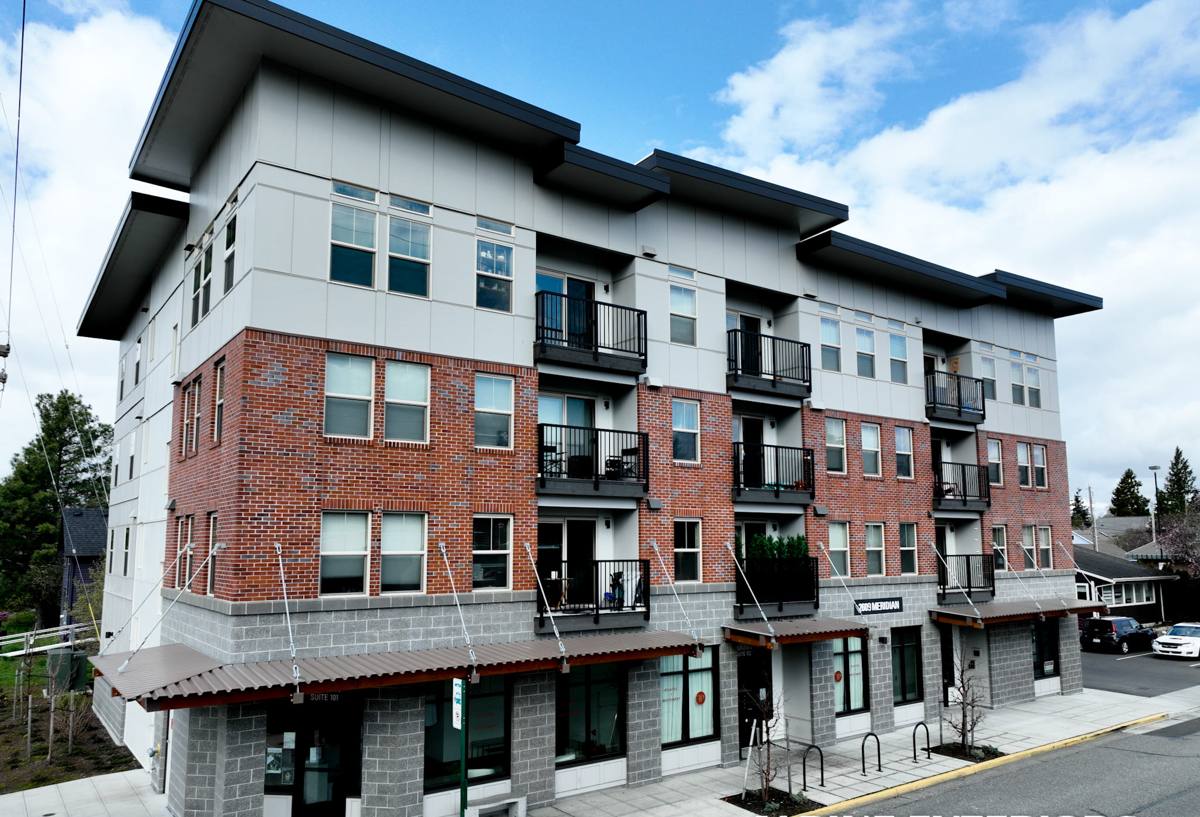
What This Climate Demands From a Siding System
Salt Air and Corrosion
Waterfront exposure means Semiahmoo homes deal with more sustained salt contact than most homes in the wider Birch Bay area. Salt accelerates corrosion in fasteners, flashing, and any exposed metal trim, and it breaks down lower-quality finishes faster than a drier, more inland location would. Every fastener and flashing detail on a Semiahmoo siding job needs to be selected for that corrosion risk from the start — it's not something that can be corrected after the fact without tearing siding back off.
Driving Rain From Multiple Directions
Being surrounded by water rather than sheltered by terrain means wind can drive rain sideways into a wall assembly from more than one direction over the course of a year. That's a heavier moisture load on siding, trim, and window flashing than a simple average-rainfall number would suggest. Siding that performs fine in a sheltered, tree-lined lot can still leak on a point like Semiahmoo if the water-resistive barrier, flashing, and drainage detailing behind it aren't built for sideways-driven water.
A Long Moss and Mildew Season
Mild temperatures and near-constant moisture add up to a moss and mildew season that runs most of the year on shaded or north-facing walls in this part of Whatcom County. Siding that's even slightly porous, or that traps moisture against the substrate instead of shedding it, becomes a growth surface over time. On Semiahmoo homes, walls facing away from direct sun or shielded by a neighboring structure typically need more attention than sun-exposed elevations.
Why James Hardie Fiber Cement Is the Only Siding We Install Here
We used to install a wider range of siding products across the sites we work. We don't anymore, and the decision came directly from what we kept finding on service calls and tear-offs in exactly this kind of exposed, wet, salt-air environment — not from a supplier relationship. On a location like Semiahmoo, the case for fiber cement is even stronger than it is on a typical inland lot.
- Non-combustible core: Fiber cement doesn't feed a fire the way wood-based siding products can, which matters for safety and can matter for insurance underwriting as well.
- Factory-applied ColorPlus finish: The color and topcoat are baked on under controlled factory conditions rather than brushed on in the field, which holds up far better against fading, chalking, and moisture intrusion than site-applied paint over a wet season after wet season.
- Climate-engineered HZ formulation: Hardie's HZ5 product line is engineered for regions with heavy moisture exposure and freeze-thaw cycling, which describes waterfront Whatcom County accurately.
- Dimensional stability: Fiber cement doesn't swell, cup, or warp the way engineered wood products can after repeated wetting and drying cycles, which is exactly the cycle a Semiahmoo home goes through all winter.
- A strong, transferable warranty: Hardie backs the product with a robust warranty structure, provided the installation follows their published spec — which is a separate thing from the product itself, and it's on us to get right.
We won't install LP SmartSide, vinyl siding, Cemplank, Allura, primed spruce, or cedar. Each has a place in the market, and plenty of homeowners are satisfied with them in less demanding settings. But on an exposed waterfront location like Semiahmoo, we've made a professional call: we'd rather stand fully behind one system than offer a cheaper option that quietly shifts more long-term maintenance risk onto the homeowner.
What a Correct Fiber Cement Installation Involves
Fiber cement only performs the way it's engineered to when it's installed to spec. That's true everywhere, but the margin for error is smaller on a home that takes wind-driven rain from multiple sides. A rushed or generic installation can leave a Hardie product with moisture problems even though the material itself is sound.
Fasteners and Flashing
Fastener type, coating, and spacing all need to match Hardie's spec and the corrosion risk of a salt-air site. Flashing at every window, door, and roof-to-wall transition needs to be correctly lapped so water sheds down and out rather than getting trapped behind the cladding.
Clearance and Drainage
Proper clearance from grade, roof lines, and decks keeps splash-back and standing water away from the bottom edge of the siding, which is usually the first place moisture damage shows up. Where the wall assembly calls for a rain-screen or drainage gap behind the panels, that detailing needs to actually be there, not skipped to save a step.
Joints, Seams, and Caulking
Factory-mitered corners and properly caulked butt joints matter more on a home exposed to sideways rain than on a sheltered one, because there are simply more chances for water to get pushed into a gap that wouldn't be a problem in a calmer location.
A Hardie product installed loosely will still develop moisture problems in a climate like this — the material is only as good as the installation behind it, which is why we treat these details as standard practice rather than optional upgrades.
Choosing Panel Style and Finish for a Semiahmoo Home
James Hardie's fiber cement line comes in a few different formats, and the right choice depends on the home's existing lines, HOA or neighborhood expectations where they apply, and how much of the exterior is exposed to direct weather versus more sheltered elevations.
| Hardie Product | Best Fit For | Maintenance Consideration on Semiahmoo |
|---|---|---|
| HardiePlank lap siding | Traditional horizontal-lap look, most common residential choice | Factory ColorPlus finish handles salt air and UV well with minimal upkeep |
| HardiePanel vertical siding | Modern facades, accent walls, gable ends | Fewer horizontal laps means fewer joint lines exposed to driving rain |
| HardieShingle siding | Coastal or cottage-style homes wanting a shingle look | More seams overall, so correct fastening and lap detail matter even more here |
| HardieTrim boards | Window, door, and corner trim to match the field siding | Should be specified alongside the field siding, not substituted with a lesser trim product |
For most Semiahmoo homes, we walk through these options on-site rather than over the phone, because the right call depends on how much of a given wall actually takes direct wind-driven rain versus how much is shielded by the home's own footprint or a neighboring structure.
Cost Factors on a Fiber Cement Siding Project Here
Fiber cement siding costs vary by project scope, and we don't quote a number without seeing the home, but a few factors specific to a waterfront Semiahmoo property tend to move the estimate more than they would on a typical inland job.
| Factor | Why It Matters on Semiahmoo |
|---|---|
| Existing siding removal | Tear-off scope and any hidden moisture or sheathing damage found underneath affect labor and materials |
| Flashing and drainage detailing | Homes on more exposed elevations often need more thorough flashing and rain-screen detailing, which adds labor |
| Fastener and hardware grade | Corrosion-resistant fasteners cost more than standard-grade hardware but are not optional in this exposure |
| Panel format chosen | Shingle-style and vertical panel installs generally take more labor time than standard lap siding |
| Trim and finish scope | Matching HardieTrim across all windows, corners, and fascia adds cost but keeps the finish system consistent |
We'll walk through which of these actually apply to a given home during an on-site assessment, and put together a clear, itemized scope before anything is signed.
Why a Crew That Already Works Semiahmoo Matters
A contractor who's already worked on this specific point knows how the wind and rain exposure here differs from a sheltered lot a short drive inland — which walls typically need extra drainage detailing, which fastener grade holds up, and where moss tends to establish first. That familiarity shows up in small decisions made throughout the job, and those small decisions are usually what determines whether a siding system lasts one wet season or several decades without issues.
A Simple Checklist Before Hiring for Fiber Cement Siding on Semiahmoo
- Confirm the contractor installs to James Hardie's published installation spec, not a generic siding install process
- Ask how they detail flashing and drainage on walls that face direct wind-driven rain
- Confirm current Washington contractor licensing and active liability insurance
- Ask about fastener and hardware corrosion resistance for a waterfront-exposed home
- Get a written, itemized scope of work before signing anything, including which Hardie products and finishes are specified
Our Process for a Semiahmoo Siding Project
We start with an on-site walk of the home, looking at how the existing siding — whatever it is — has held up against this specific exposure, and where moisture or fastener corrosion has already started. From there we put together a clear, written scope covering product selection, flashing and drainage detailing, and fastener specification before any work begins. During the install, the flashing, clearance, and joint details that matter most on an exposed waterfront lot are handled as standard practice, not as optional add-ons priced separately.
If you're weighing fiber cement siding for a home on Semiahmoo, we're happy to walk the exterior with you and give an honest read on what it actually needs. Reach out below for a free, no-pressure estimate.