 Birch Bay
 Blaine Roofs Work Harder Than Most
Blaine sits right on the water at the northern edge of Whatcom County, and that location comes with a trade-off. The same open exposure to the Strait of Georgia and Semiahmoo Bay that makes the views worth having also means homes here take a steadier beating from salt-laden wind, driving rain, and long stretches of damp, shaded weather that never quite dries out. A roof in Blaine isn't fighting the same battle as a roof twenty miles inland in Bellingham or Ferndale. It's dealing with corrosive salt air, wind-driven rain that gets pushed sideways under shingle edges and flashing, and a moss season that can run eight or nine months out of the year in shaded, north-facing sections.
None of that means a Blaine roof is doomed to constant problems. It means the repairs have to account for conditions a generic roofing crew from out of the area might not think twice about. That's the difference between a patch that holds for a season and a repair that actually lasts.
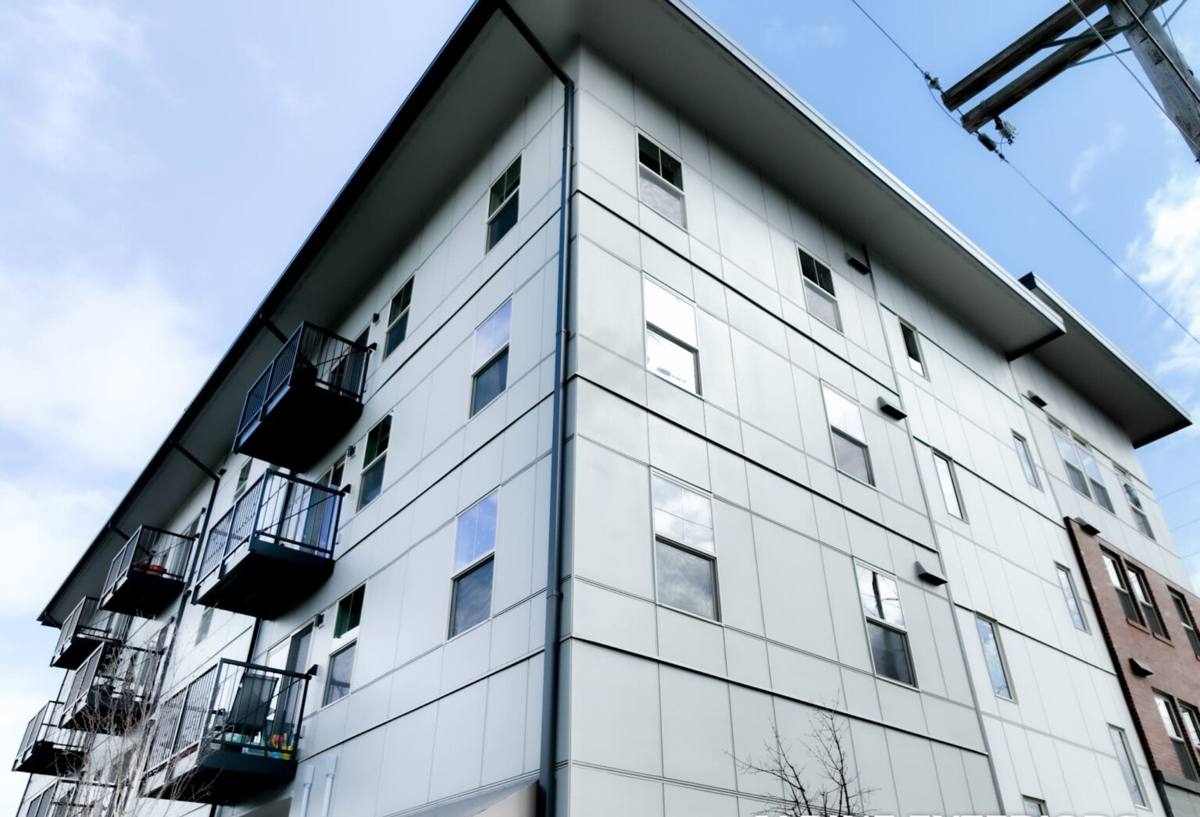
What Storm Damage Actually Looks Like Here
Storm damage isn't always a dramatic hole or a pile of shingles in the yard. In Blaine, it's more often subtle and slow to show itself, which is part of what makes it dangerous — by the time you notice a stain on the ceiling, water has usually been getting in for a while.
Common signs after a wind or rain event
- Shingles that are curled, cracked, creased, or missing entirely, especially on the roof faces that catch the prevailing wind
- Lifted or loosened shingle tabs where wind got underneath and broke the seal, even if nothing blew off
- Flashing pulled away or bent around chimneys, skylights, and roof-to-wall transitions
- Granule buildup in gutters and downspouts, a sign of accelerated wear from wind abrasion
- Soft or discolored roof decking visible from the attic, especially near eaves and valleys
- Fresh moss or algae growth taking hold in spots where shingles have already lost their protective coating
- Water stains on interior ceilings or walls that appear or worsen after a storm
Some of these are obvious from the ground. Others only show up on a proper roof inspection, which is why we recommend a look after any storm with sustained wind or heavy rain, even if nothing looks wrong from the driveway.
Why Moss Season Complicates Storm Repair
Whatcom County's moss season is long, and Blaine's coastal humidity and shaded lots stretch it out even further. Moss isn't just cosmetic. It holds moisture directly against the shingle surface, works its way under tabs and edges, and lifts shingles just enough for wind-driven rain to get underneath during the next storm. A roof that already has moss buildup is more vulnerable to storm damage than a clean one, and storm damage that goes unrepaired gives moss an even better foothold. The two problems feed each other.
This is why a proper storm damage repair in this area isn't just "replace the broken shingle." It includes clearing moss and organic debris from the repair area, checking for hidden moisture under nearby shingles, and treating exposed areas so growth doesn't come right back in the same spot within a season.
What a Correct Repair Actually Involves
A rushed storm repair addresses what's visible and stops there. A correct one works outward from the damage to make sure nothing was missed, because storm damage rarely stays confined to a single shingle.
- Full roof inspection, not just the damaged spot. Wind and rain damage often shows up in more than one location — we check the whole roof plane, not just where you noticed the problem.
- Decking check. If water has been getting in for any length of time, the plywood or OSB decking underneath may be soft or delaminating. Shingles alone can't be replaced over compromised decking and expect it to hold.
- Underlayment assessment. The moisture barrier under the shingles does most of the real waterproofing work. If it's torn or degraded in the damaged area, it gets replaced, not just covered over.
- Flashing repair or replacement. Flashing around chimneys, vents, and valleys is one of the most common failure points in coastal wind events. It has to be properly integrated with the surrounding shingles, not just caulked.
- Matching materials. Shingle color and profile drift over time as products get discontinued or reformulated. We match as closely as current supply allows and are upfront when an exact match isn't possible.
- Moss and debris clearing. As covered above, this isn't optional in this climate — it's part of doing the repair right.
- Final water test and walkthrough. We check the repaired area and explain what we found, what we fixed, and what to keep an eye on.
Storm Damage Scenarios and What Drives the Cost
Every roof and every storm is different, but most storm damage repairs in this area fall into a few general categories. The table below is meant to give you a realistic sense of scope, not a quote — actual cost depends on roof pitch, access, material availability, and what we find once we're up there.
| Damage Type | Typical Cause | What Drives the Cost |
|---|---|---|
| A few missing or lifted shingles | Sustained wind gusts off the water | Roof pitch and access, matching shingle availability |
| Flashing damage at chimney or vents | Wind uplift, age-related sealant failure | Extent of flashing replacement, whether siding or trim is also involved |
| Soft or stained decking | Prolonged undetected leak from an earlier storm | Size of the decking section, plywood vs. OSB, interior repair needs |
| Moss-related shingle lift | Long shaded, damp exposure combined with wind | Moss removal scope, treatment, and how many shingles need resetting |
| Valley or eave leak | Driving rain forced under shingle edges | Underlayment replacement, gutter and edge flashing condition |
Our Process, Start to Finish
We keep the process straightforward because a storm-damaged roof is already stressful enough without a confusing repair timeline.
1. Inspection and honest assessment
We come out, get on the roof (weather permitting), and document what we find with photos. If there's no real storm damage, we'll tell you that too — not every roof issue after a storm is actually storm-related.
2. Clear scope and pricing
Before any work starts, you get a written explanation of what needs to be repaired and why, not just a total number.
3. The repair itself
Work is scheduled around weather windows, since storm repairs in this area often mean racing the next front coming in off the water. We tarp and protect exposed areas if a repair has to be staged across more than one visit.
4. Cleanup and walkthrough
Old materials, nails, and debris are cleared from the property, and we walk the repair with you before calling the job done.
Insurance and Documentation
Many storm damage repairs in Blaine involve a homeowners insurance claim, particularly after a named windstorm or a significant rain event. We're not a public adjuster and won't promise a claim outcome, but we do provide clear, photo-documented assessments that homeowners can use in their claim process, and we're happy to point out anything that looks storm-related versus general wear so you have an accurate picture before you file.
Why It Matters That We Already Work in Blaine
A crew that regularly works Birch Bay and Blaine knows which roof orientations in this area take the worst wind exposure, how fast moss comes back on a shaded north slope near the water, and what a coastal storm can do to flashing that a drier inland roof would never experience. That's not something you can fake with a checklist. It means fewer surprises during the inspection, materials on hand that make sense for the climate here, and repair choices that account for what your roof will face next winter, not just what broke this time.
It also means faster response. After a significant windstorm, roofing crews from farther away get spread thin across a wide service area. Being based locally means we're not driving an hour each way to reach you when a tarp needs to go up before the next round of rain.
Reducing Storm Damage Before It Happens
You can't storm-proof a roof, but regular attention makes a real difference in how much damage a given storm actually causes.
- Clear moss and debris from the roof surface at least once a year, more often on shaded north-facing sections
- Keep gutters and downspouts clear so wind-driven rain has somewhere to go instead of backing up under the eaves
- Trim back branches that overhang the roof — both for direct storm damage and to reduce the shade that feeds moss growth
- Have flashing around chimneys, skylights, and vents checked every couple of years, since sealant and metal flashing degrade faster in salt air
- Get an inspection after any storm with sustained high wind, even if nothing looks obviously wrong
- Address small issues — a lifted tab, a small area of granule loss — before the next storm turns them into a leak
Let's Take a Look
If your roof took a hit in a recent storm, or you're just not sure whether that stain on the ceiling is new, we're glad to come out and take an honest look. There's no pressure and no obligation — just a straight answer about what's going on and what it would take to fix it right. The form below gets you a free estimate.